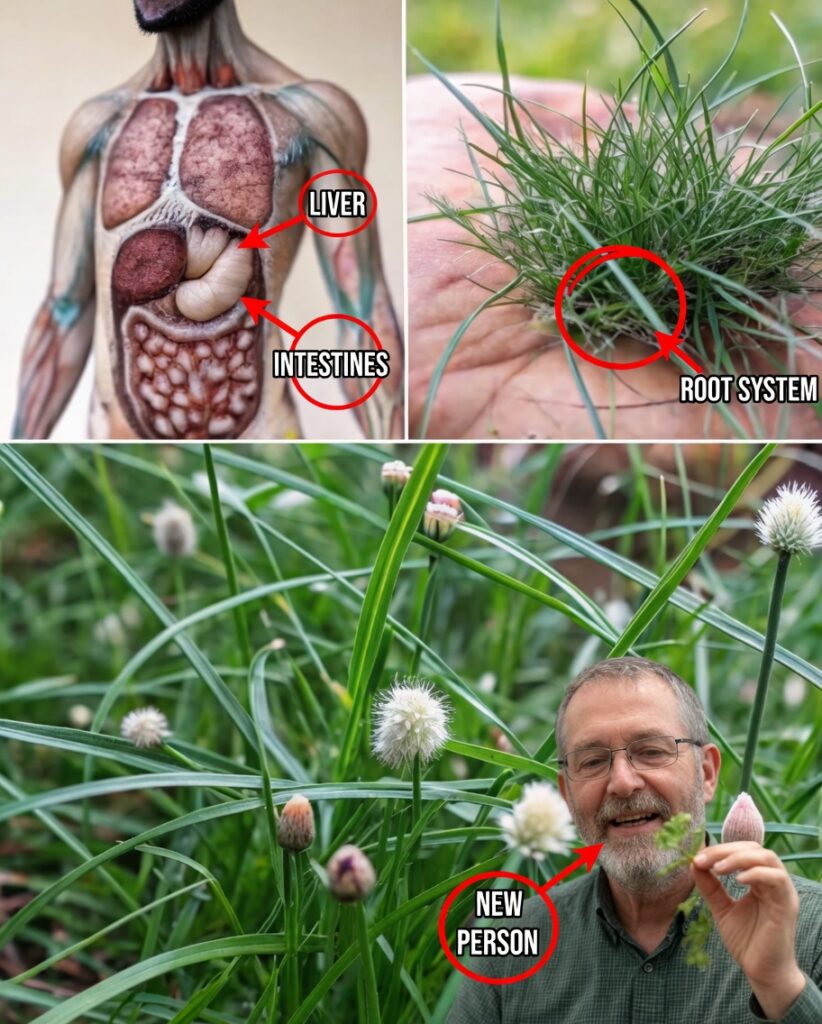
Cyperus Rotundus (Nutgrass): A Herbal Ally for Health and Well-Being
Cyperus rotundus—also called nutgrass or purple nutsedge—is a well-known medicinal plant valued in traditional herbal practices for generations. Originally widespread across Asia and Africa, it has built a strong reputation as a natural support for everyday wellness.
The plant’s underground rhizomes (its most concentrated and commonly used part) are especially appreciated for their potential to promote both physical comfort and mental balance. With an earthy fragrance and a slightly bitter flavor, Cyperus rotundus is often used in home remedies designed to support digestion, help the body unwind, and ease occasional stress or nervous tension.
Ingredients
To make a simple Cyperus rotundus herbal infusion at home, you’ll need:
- Cyperus rotundus rhizomes (fresh or dried): 1–2 teaspoons
- Water: 1–2 cups
- Optional flavor boosters:
- Honey
- Ginger
- Lemon
These ingredients are easy to adjust depending on your taste preferences and how strong you want your herbal tea.
Instructions (Herbal Infusion Method)
-
Measure the rhizomes. Use about 1–2 teaspoons of Cyperus rotundus rhizomes.
- If they’re dried, lightly crush or chop them to help release beneficial compounds.
- If they’re fresh, rinse well and cut into small pieces.
-
Boil the water. Heat 1–2 cups of water in a small pot until it reaches a rolling boil.
-
Simmer the herb. Add the prepared rhizomes to the boiling water, then reduce the heat. Let it simmer for 10–15 minutes so the active components can infuse into the liquid.
-
Strain and serve. Pour the tea through a strainer into a cup or teapot, removing all plant solids.
-
Customize the flavor (optional).
- Add honey for sweetness
- Add ginger for warmth and digestive support
- Add lemon for a brighter taste and an extra refreshing finish
Drink the infusion warm for a soothing experience and best comfort. Many people find that regular, moderate use fits well into a routine focused on digestion, relaxation, and general well-being.
How to Make It Stronger or Milder
To fine-tune your Cyperus rotundus tea:
- For a stronger infusion:
- Use closer to 2 teaspoons
- Keep the simmer closer to 15 minutes
- For a lighter taste:
- Use 1 teaspoon
- Simmer closer to 10 minutes (or slightly less)
Cyperus rotundus is also available in other formats such as capsules or tinctures, but an herbal infusion remains one of the simplest and most traditional ways to use it.
Variations and Flavor Ideas
Cyperus rotundus tea is easy to personalize. Consider these popular additions:
- Ginger: Adds a spicy note and pairs well with digestive-focused routines
- Honey: Softens bitterness and can feel soothing, especially in colder weather
- Lemon: Brightens the flavor and complements after-meal sipping
- Cinnamon or turmeric: Enhances the aroma and brings additional antioxidant-friendly spices into the cup
- Mint or basil: Creates a fresher herbal infusion, ideal for warm climates or post-meal refreshment
You can also blend Cyperus rotundus with other digestion-friendly herbs such as:
- Peppermint
- Fennel
This approach can create a more rounded herbal tea blend tailored to your personal wellness goals.
Practical Tips for Best Results
- Choose fresh rhizomes when possible—fresh plant material may offer a stronger aroma and potency.
- If using dried rhizomes, store them in an airtight container, away from heat and direct sunlight.
- If you’re new to herbal teas, start with a smaller amount and observe how your body responds.
- Consistency matters. Gentle, regular use is often preferred over excessive intake.
- If you want better taste without adding sugar, try:
- Cardamom
- Cinnamon
- A tiny pinch of sea salt to soften earthy notes
Important note: If you are pregnant, breastfeeding, taking medication, or managing a health condition, consult a qualified healthcare professional before adding new herbs to your routine.
Conclusion
Cyperus rotundus is a remarkable herb with deep roots in traditional wellness systems. Whether taken as a herbal tea, tincture, or capsule, it is commonly used to support digestion, encourage calm, and promote overall well-being.
Because it’s versatile and easy to prepare, Cyperus rotundus can be a practical addition to many daily routines. By experimenting with infusion strength, flavor variations, and supportive herb pairings, you can find a method that fits your lifestyle and helps you get the most from this herbal treasure.