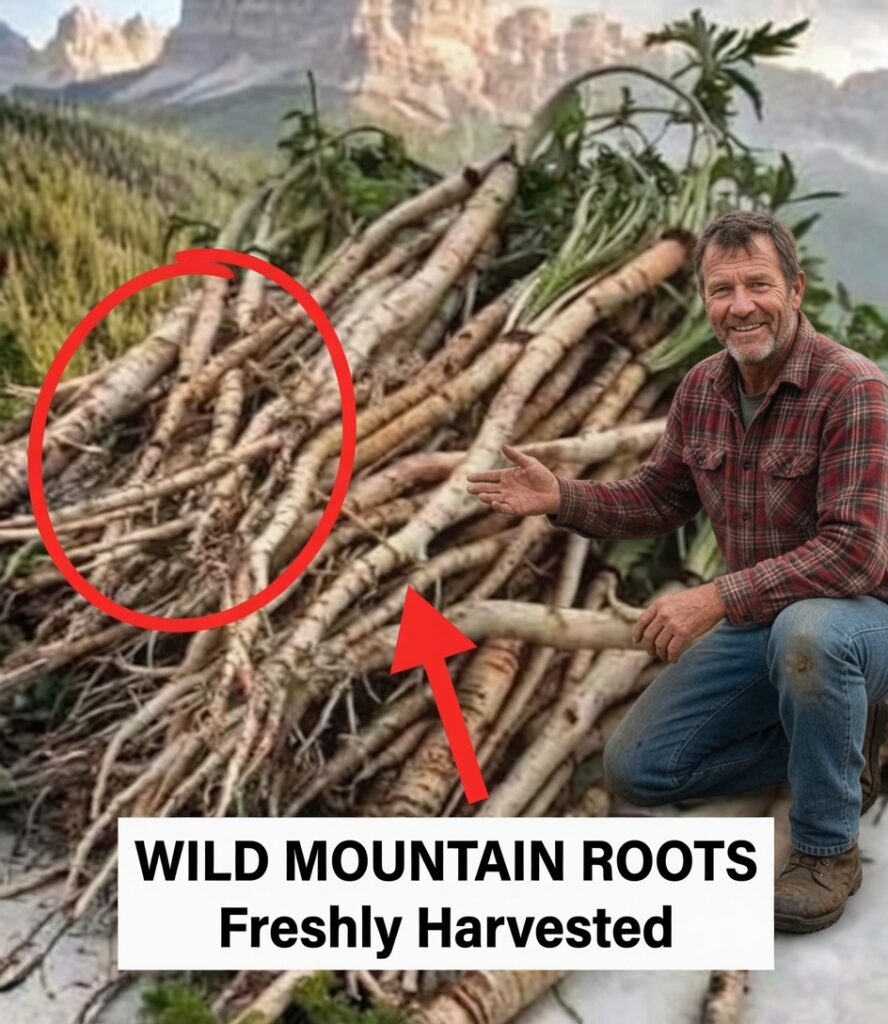
Greater Burdock Root (Arctium lappa): Benefits, Uses, and Its Potential Role in Cancer Support
Greater burdock root has a long history in traditional medicine, valued for its detoxifying, anti-inflammatory, and antioxidant effects. Today, growing scientific interest suggests this well-known root may also support the body during cancer care by helping to neutralize free radicals, calm inflammation, and reinforce immune defenses.
Could this traditional remedy be one of nature’s most useful tools for protecting health? Here’s what current knowledge suggests.
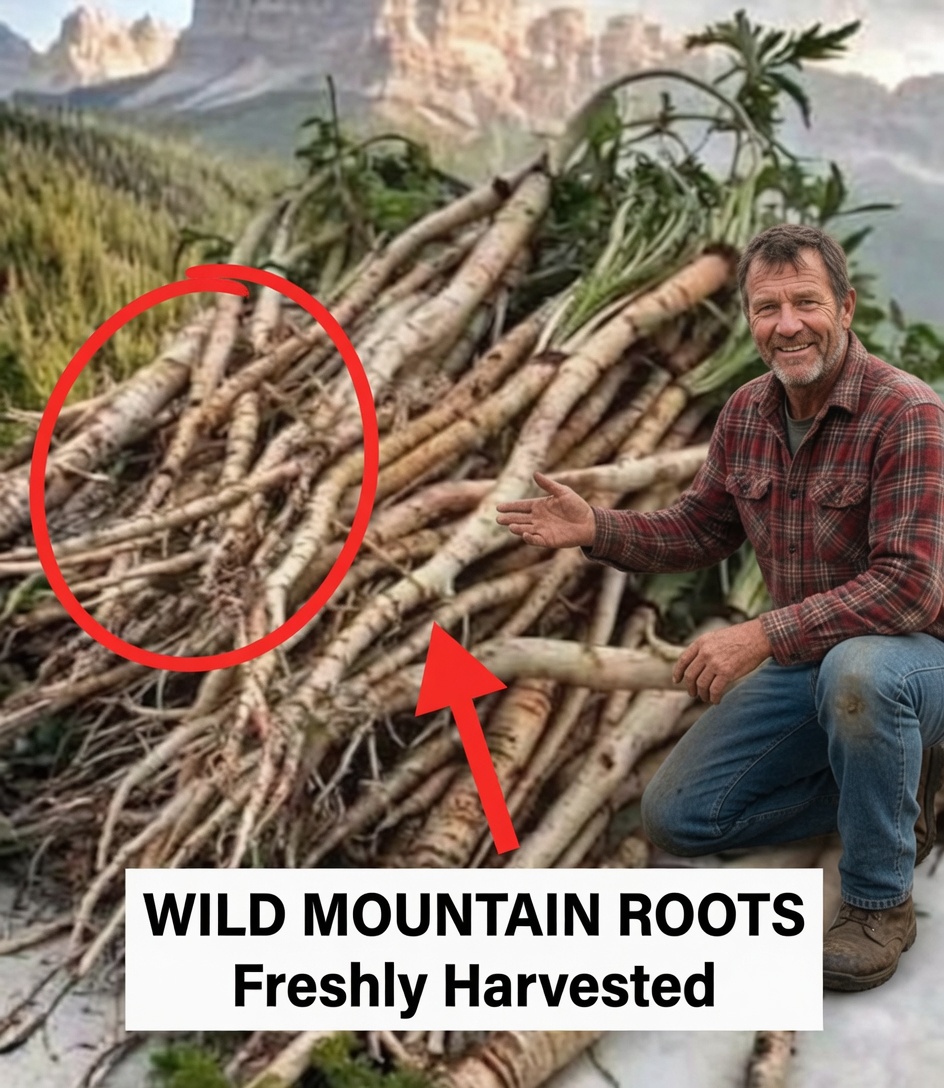
Why Burdock Root Is Considered So Beneficial
Burdock root contains plant compounds that may help the body handle oxidative stress and inflammation—two processes closely linked to many chronic conditions.
Key reasons people use burdock root include:
- High in antioxidants such as quercetin, luteolin, and phenolic acids, which help reduce oxidative stress and limit cellular damage.
- Anti-inflammatory activity, which may be helpful because long-term inflammation is associated with disease progression, including cancer.
- Traditional “detox” support, often described as helping “cleanse the blood” and support liver function, which plays a central role in processing and removing waste products.
- Immune system support, potentially helping the body respond more effectively to abnormal or damaged cells.
- Possible anti-cancer potential, with early research exploring whether burdock compounds can slow tumor activity or reduce the spread of certain cancer cells.
How Burdock Root May Support Cancer Treatment (Supportive, Not a Cure)
Burdock root is sometimes discussed as a complementary option—meaning it may support overall wellness alongside medical care, not replace it.
1) Helps combat free radicals
Oxidative stress can contribute to DNA damage, which may increase the risk of harmful cellular mutations. Burdock’s antioxidants may help protect cells by reducing this damage.
2) May help slow tumor-related processes (early research)
Some studies have examined burdock root’s effects on specific cancer cell lines, including breast and pancreatic cancer. Findings are still preliminary, but they suggest burdock compounds may influence growth signals in certain abnormal cells.
3) Supports cleansing and liver function
In traditional wellness systems, burdock is used to support the body’s natural elimination pathways. While “blood detox” is often used as a broad phrase, the practical focus is usually on liver support and overall metabolic balance.
4) May be used to support comfort during conventional therapy
Some herbal traditions suggest burdock root can be used alongside standard treatment to help with general well-being and complaints such as fatigue or nausea. If you are in active cancer treatment, always check with your oncology team before using any herbal products.
How to Use Burdock Root
There are several popular ways to add burdock root to a wellness routine. Choose the form that fits your lifestyle and tolerance.
1) Burdock Root Tea (daily routine for gentle support)
Ingredients
- 1 tablespoon dried burdock root
- 2 cups water
- Honey (optional)
Directions
- Bring water to a boil and add the dried burdock root.
- Reduce heat and simmer for 10–15 minutes.
- Strain and drink 1–2 cups per day, if well tolerated.
2) Fresh burdock root in soups, stews, or smoothies
Peel and chop fresh burdock root and add it to:
- soups and broths
- stews and slow-cooked dishes
- smoothies (small amounts can help with taste and texture)
This method is often chosen for people who prefer getting nutrients from foods rather than supplements.
3) Burdock root tincture (more concentrated option)
A tincture may provide a stronger dose in a smaller volume. Many people use:
- 1–2 droppers daily, depending on the product and practitioner guidance
For personalized dosing—especially if you have health conditions—consult a qualified herbalist or clinician.
Precautions: Who Should Avoid Burdock Root?
Burdock root is not appropriate for everyone. Use caution in these situations:
- Pregnancy or breastfeeding: avoid unless specifically approved by a healthcare professional.
- Medication interactions: speak with a clinician if you take:
- diuretics
- blood thinners (anticoagulants/antiplatelets)
- Wild plant risk: do not harvest or consume wild burdock unless identification is certain, as look-alike plants can be unsafe.
Final Thoughts
Greater burdock root is widely known as a detox-support herb, but its value may go beyond that. Thanks to its antioxidant, anti-inflammatory, and immune-supporting properties, burdock root is being explored for its potential role in supportive cancer care and overall wellness. While more high-quality research is still needed, it remains a popular option for those looking to strengthen healthy daily routines—especially when used thoughtfully and safely.