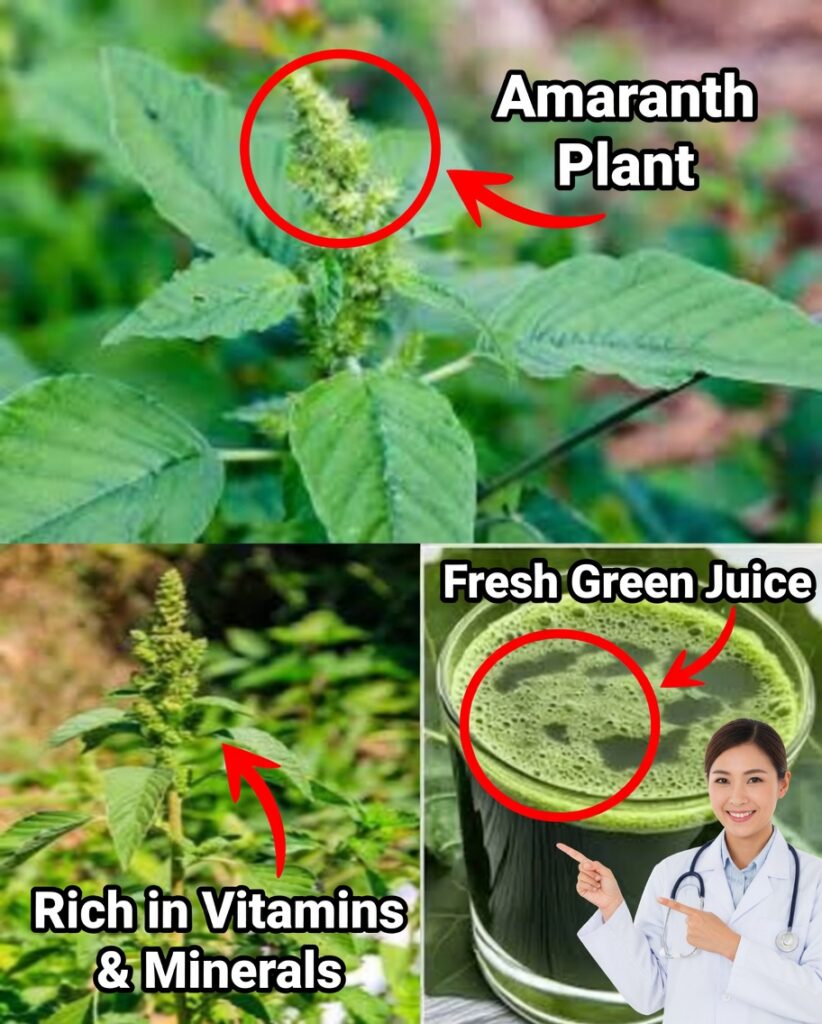
Pigweed (Amaranthus spp.): The “Weed” That’s Actually a Nutrient-Rich Superfood
Pigweed, also known as Amaranthus, is often pulled out and tossed away as a nuisance plant. In reality, it’s a highly nutritious edible green and seed crop with a long history in traditional cooking and folk wellness practices. You can spot it in home gardens, farmland, and even along roadsides—yet it remains one of the most overlooked wild edible plants.
1. A Nutritional Powerhouse
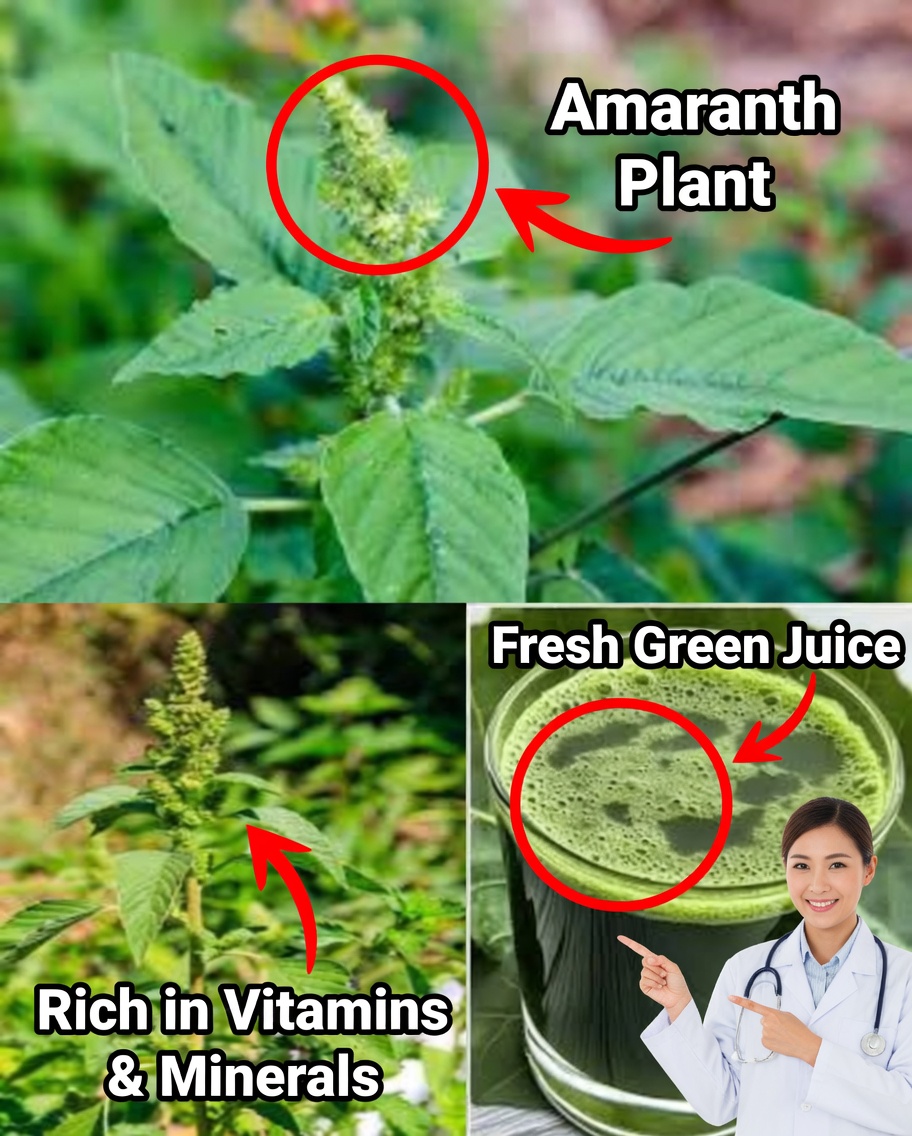
Pigweed offers an impressive range of nutrients that support everyday health. It naturally contains:
- Vitamin A for vision, skin, and immune support
- Vitamin C to help defend the body and reduce oxidative stress
- Iron to support healthy red blood cells and oxygen transport
- Calcium and magnesium for bone strength and muscle function
- Protein and fiber to aid fullness, digestion, and overall nutrition
Quick fact: Pigweed (amaranth) seeds are known for being higher in protein than many common grains, including wheat and rice.
2. Supports Heart Health
Many people add amaranth leaves and seeds to their diet for heart-friendly nutrition. The combination of fiber and antioxidants may help:
- Support healthier LDL (bad) cholesterol levels
- Promote balanced blood pressure
- Encourage better circulation and cardiovascular function
Easy idea: Toss young pigweed leaves into salads, blend them into smoothies, or cook them like spinach for a simple heart-smart upgrade.
3. Natural Support for Inflammation
Pigweed contains plant compounds with antioxidant activity that may help the body manage inflammation and discomfort. It’s commonly used in traditional approaches for concerns like:
- Joint stiffness
- Muscle soreness
- General swelling and irritation
Some people prepare pigweed tea, while others use crushed leaves externally as a traditional poultice for targeted soothing.
4. Helps Maintain Steady Blood Sugar
Research on amaranth and related species suggests it may support more stable blood sugar levels, which can be useful for people aiming for consistent energy or managing glucose concerns.
Simple swap: Use pigweed leaves anywhere you’d normally use spinach—stir-fries, soups, eggs, or grain bowls.
5. Supports Liver and Kidney Function (Gentle Detox Support)
Pigweed is often described as a traditional “cleansing” plant because it supports digestion and the body’s natural detox pathways—especially the liver and kidneys.
Detox Tea (Traditional Style)
- Boil a handful of pigweed leaves in water for 5–10 minutes.
- Strain the liquid.
- Add lemon and a little honey if desired.
- Enjoy as part of a balanced routine.
6. Strengthens Bones and May Help Protect Against Osteoporosis
Because pigweed provides key minerals such as calcium, magnesium, and phosphorus, it can be a valuable addition for people focused on bone health and long-term strength.
Serving tip: Add the leaves to soups, broths, or stews for an easy nutrient boost.
7. Promotes Healthy Digestion
Pigweed is a useful food for gut support thanks to its fiber and naturally occurring plant compounds. Regularly including fiber-rich greens may help:
- Reduce constipation and bloating
- Calm digestive discomfort
- Support a healthier gut environment
You can eat pigweed raw (young leaves) or cooked (mature leaves) depending on taste and texture.
8. Supports Immunity and Helps the Body Fight Infections
Traditionally, pigweed has been valued for its supportive role in immune health. Its nutrient profile—especially antioxidants and vitamin content—can help the body stay resilient during seasonal challenges.
Simple Immune Tonic
- Blend pigweed leaves with ginger, lemon, and honey for a fresh, strong-flavored drink.
How to Use Pigweed (Amaranthus) Safely and Deliciously
Pigweed is versatile and easy to add to meals:
- Cooking: Use the leaves like spinach in stir-fries, soups, omelets, curries, and smoothies
- Tea: Brew fresh or dried leaves for a simple herbal-style infusion
- Poultice (traditional use): Crush fresh leaves and apply to targeted areas as a folk remedy
Final Thoughts: Why Pigweed Deserves a Place in Your Kitchen
Pigweed isn’t just a weed—it’s a wild superfood packed with nutrients that can support heart health, digestion, immunity, and overall wellness. If you find it growing nearby, it may be worth seeing it as food rather than a problem plant—harvest, cook, and enjoy.