What Your Feet Can Say About Liver Health
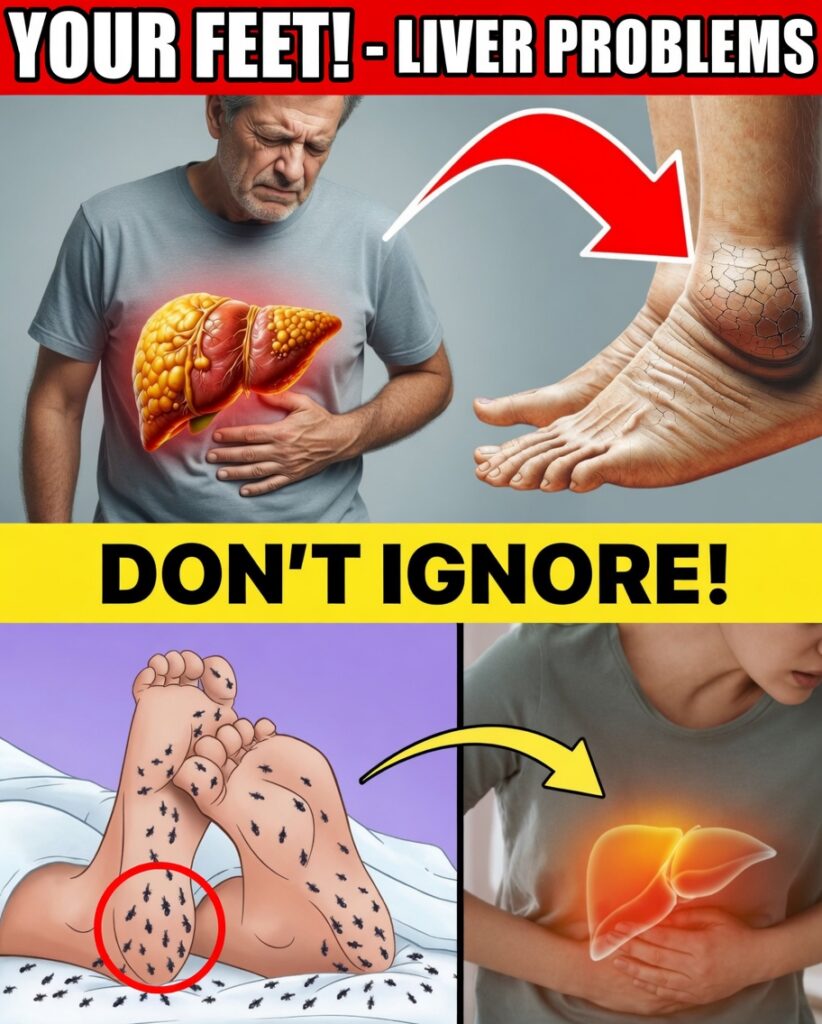
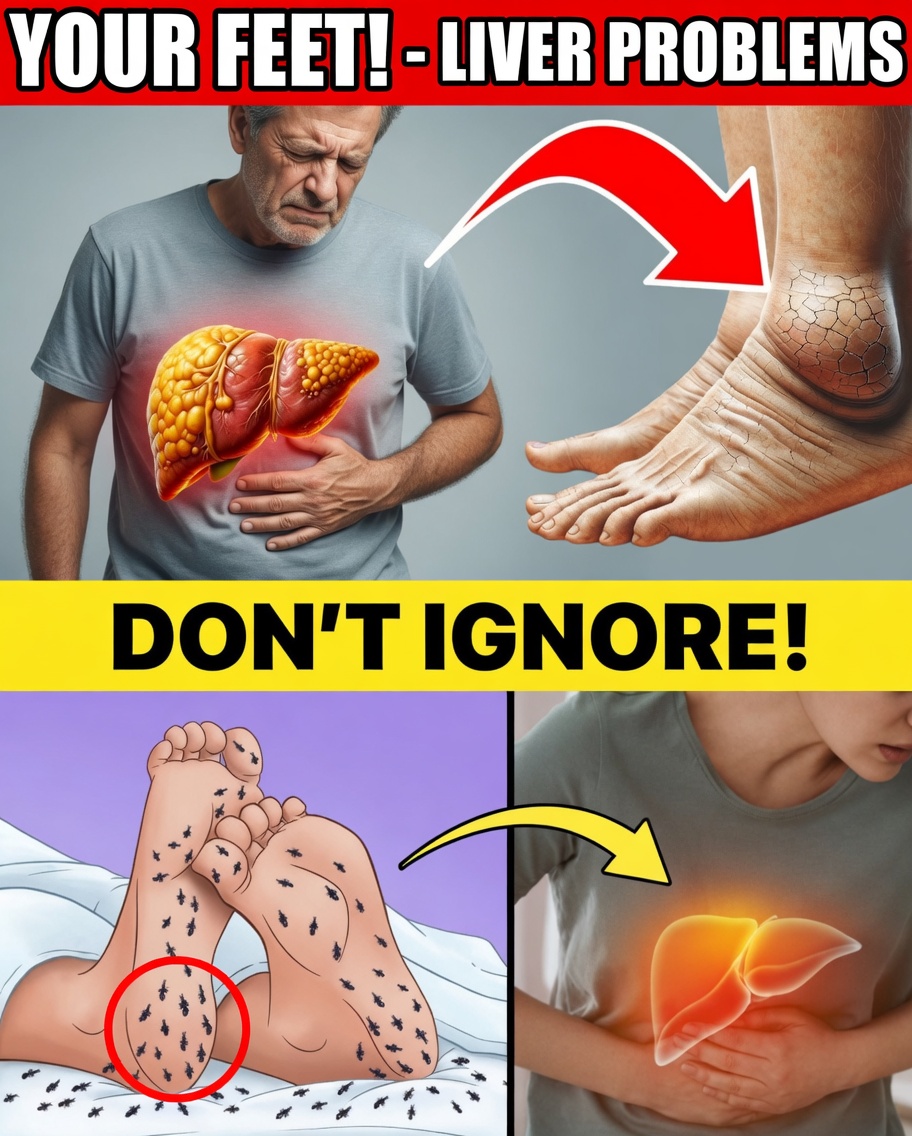
Your feet may offer early clues about liver health. Because the liver plays a central role in detoxification, metabolism, bile production, and healthy circulation, liver stress or disease can sometimes show up as changes in the skin, nails, joints, and soft tissues of the feet.
If you’re noticing several of the symptoms below—especially if they’re new, persistent, or getting worse—consider it a prompt to look more closely at your overall health and speak with a healthcare professional.
12 Foot Symptoms That May Be Linked to Liver Problems
1) Swollen feet and ankles
- Why it may happen: Liver dysfunction can contribute to fluid retention (edema), which often settles in the lower legs, ankles, and feet.
- May indicate: Liver disease (including cirrhosis) or circulation issues related to toxin buildup.
- What you can do: Limit excess salt, elevate your legs, and stay well-hydrated.
2) Redness or dark patches on the feet
- Why it may happen: When the liver is under strain, blood flow and vascular regulation can be affected, leading to discoloration or redness (often noticed on the soles).
- May indicate: Liver inflammation or a higher toxin load.
- What you can do: Focus on antioxidant-rich options such as turmeric, lemon water, and green tea.
3) Persistent itchy feet
- Why it may happen: If bile processing is impaired, bile-related compounds and toxins may build up in the bloodstream, triggering intense itching.
- May indicate: Liver disease, bile duct obstruction, or elevated bilirubin.
- What you can do: Support bile flow with leafy greens; some people also use dandelion tea as part of a liver-friendly routine.
4) Cracked heels and very dry skin
- Why it may happen: A sluggish liver may affect nutrient handling and hydration balance, contributing to dry, rough, cracked skin.
- May indicate: Liver dysfunction and difficulties with fat metabolism.
- What you can do: Moisturize regularly (for example, coconut oil) and include healthy fats such as avocados and nuts.
5) Tingling or numbness in the feet
- Why it may happen: Liver issues can be associated with nerve irritation or reduced nerve support, leading to pins-and-needles sensations.
- May indicate: Advanced liver disease (including cirrhosis), diabetes (often linked with fatty liver), or nerve damage.
- What you can do: Consider B-complex intake through diet or supplements if appropriate, and use liver-support herbs such as milk thistle with professional guidance.
6) Foot pain and joint stiffness
- Why it may happen: Systemic inflammation tied to liver stress may contribute to aches, stiffness, and muscle discomfort, including in the feet.
- May indicate: Fatty liver disease, liver fibrosis, or elevated toxins in circulation.
- What you can do: Add anti-inflammatory foods like turmeric and ginger to your meals.
7) Dark toenails or nails that grow slowly
- Why it may happen: Poor liver function can affect circulation and nutrient delivery, making nails look darker, more brittle, or slow to grow.
- May indicate: Reduced detox capacity or nutrient deficiencies.
- What you can do: Choose iron- and biotin-rich foods such as eggs, spinach, and nuts.
8) Foot cramps and muscle weakness
- Why it may happen: Liver dysfunction may contribute to electrolyte imbalances, which can trigger cramping.
- May indicate: Liver disease, low potassium, or dehydration.
- What you can do: Replenish electrolytes with bananas, sweet potatoes, and coconut water, and drink enough fluids daily.
9) Easy bruising on feet and legs
- Why it may happen: The liver helps produce clotting factors. When it’s compromised, bruising can occur more easily—even from minor bumps.
- May indicate: Liver damage or vitamin K deficiency.
- What you can do: Eat vitamin K–supportive foods like leafy greens and broccoli, plus vitamin C sources such as citrus fruits.
10) Yellowish skin or yellow toenails (jaundice)
- Why it may happen: When bilirubin isn’t processed effectively, it can accumulate and cause yellowing of skin and nails.
- May indicate: Hepatitis, bile duct issues, or other forms of liver disease.
- What you can do: Hydrate and prioritize produce often associated with liver support, such as beets and carrots (and consider lemon water if it suits you).
11) Strong foot odor and excessive sweating
- Why it may happen: When the body is under toxic load, it may rely more on sweat pathways, which can worsen odor.
- May indicate: Liver congestion or increased toxin buildup.
- What you can do: Support detox habits with green tea; some people use diluted apple cider vinegar as part of a routine.
12) Swollen, puffy toe joints
- Why it may happen: Liver dysfunction may contribute to uric acid buildup, which can worsen gout-like swelling and pain in the feet.
- May indicate: Fatty liver disease or combined kidney–liver strain.
- What you can do: Reduce alcohol and red meat, and consider tart cherry juice as a supportive dietary option.
How to Support Your Liver and Help Prevent These Foot Issues
- Start the day with lemon water (if tolerated) to support hydration and digestion.
- Eat more leafy greens, garlic, beets, and carrots for liver-friendly nutrition.
- Cut back on alcohol, ultra-processed foods, and excess sugar.
- Consider liver-support herbs often used in wellness routines, such as milk thistle, turmeric, and dandelion root (check with a professional if you take medications).
- Stay hydrated to support circulation and normal metabolic function.
Final Takeaway: Pay Attention to Foot Changes
Unusual foot symptoms don’t automatically mean you have liver disease, but they can be a useful signal that something deeper may be going on. If several of these signs appear together—or you also notice fatigue, nausea, abdominal discomfort, or yellowing of the eyes—seek medical advice promptly.
Have You Noticed Any of These Signs?
If any of these symptoms sound familiar, note when they started and how often they occur, then discuss them with a clinician for a clearer picture of your liver health.