Homemade Rosehip Wine: Aromatic, Fruity, and Rich in Vitamin C
Rosehip wine is a fragrant, homemade fruit wine with a deep berry-like character and a naturally bright note. Made from fresh or dried rosehips, it’s a wonderful drink for cozy evenings, celebrations, or gifting—especially after a few months of aging.
Ingredients (Makes About 1 Gallon / 4.5 Liters)
- 2 lb (900 g) rosehips, fresh or dried (chopped or lightly crushed)
- 3 lb (1.4 kg) sugar
- 1 gallon (4.5 L) water
- Juice of 1 lemon (adds acidity and balance)
- 1 tsp wine yeast (champagne yeast also works for a cleaner finish)
- 1 tsp yeast nutrient (optional, supports a stronger fermentation)
- 1 Campden tablet (optional, helps sterilize the must)
Step-by-Step Rosehip Wine Method
1) Prepare the Rosehips
- Clean and break down the fruit
- Rinse fresh rosehips, then chop or crush them.
- If using dried rosehips, soak them in warm water to soften.
- Extract flavor
- Bring half of the water to a boil.
- Pour it over the rosehips in a sterilized container.
- Cover and leave for 24 hours to draw out aroma and color.
2) Begin Primary Fermentation
- Strain and build the must
- Strain the infused liquid into a large fermentation bucket.
- Add sugar, lemon juice, yeast, and (optionally) yeast nutrient.
- Dissolve and activate
- Stir thoroughly until the sugar is fully dissolved.
- Sprinkle the yeast over the surface.
- Cover with a clean cloth.
- Ferment
- Leave to ferment for 5–7 days, stirring once daily.
3) Move to Secondary Fermentation (Demijohn/Carboy)
- Transfer and seal
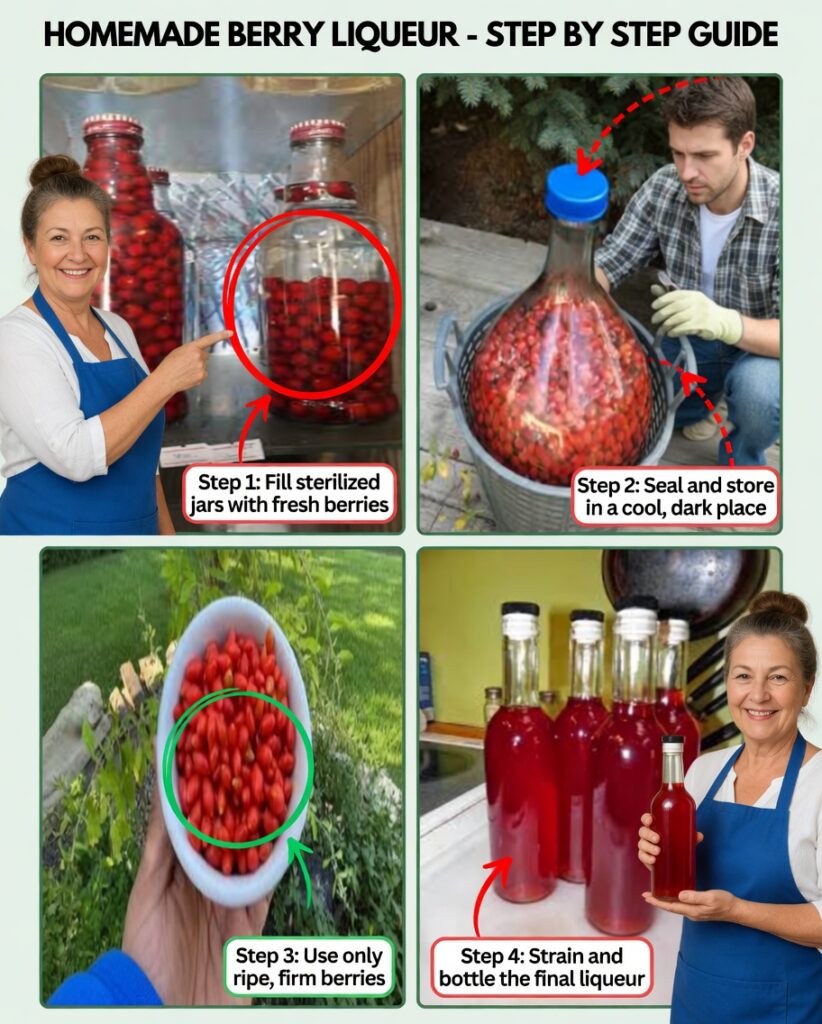
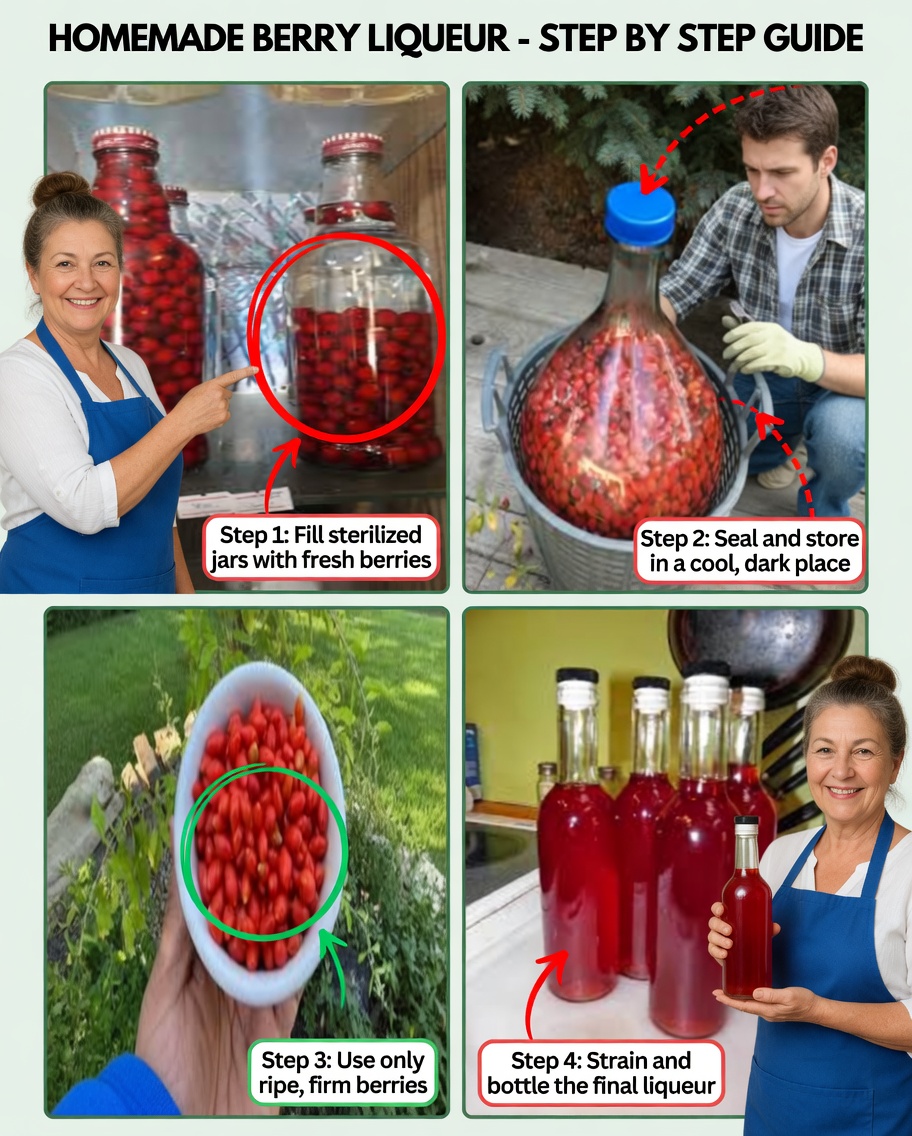
- Strain again into a sterilized glass demijohn (carboy).
- Fit an airlock.
- Let it finish slowly
- Store in a cool, dark place for 4–6 weeks.
- Fermentation is nearing completion when the airlock activity slows significantly.
4) Bottle and Age
- Rack off sediment
- When fermentation has stopped, siphon the wine into sterilized bottles, leaving the sediment behind.
- Mature for best flavor
- Seal and store in a cool, dark place for at least 3–6 months.
- Longer aging usually creates a smoother, more rounded taste.
Serving and Storage Tips
- Serve slightly chilled to highlight the floral-fruity aroma.
- Food pairings: excellent with cheese boards, roasted meats, and desserts.
- Aging potential: stores well for 1–2 years, and the flavor typically improves over time.