Signs of a Heart Attack: Possible Warnings Up to One Month Ahead
Heart attacks remain one of the most common causes of death worldwide. They are often linked to ongoing stress and unhealthy daily habits. Learning to spot early warning symptoms may help you get treatment sooner and potentially save a life.
7 Early Warning Signs to Watch For
-
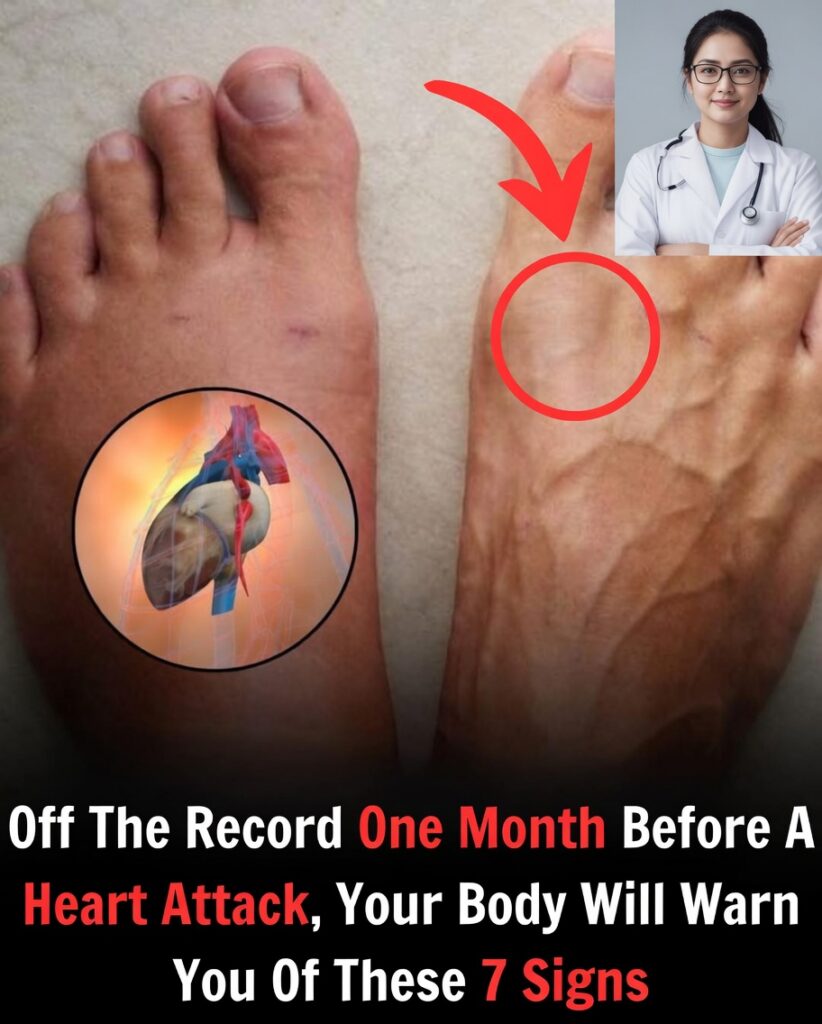
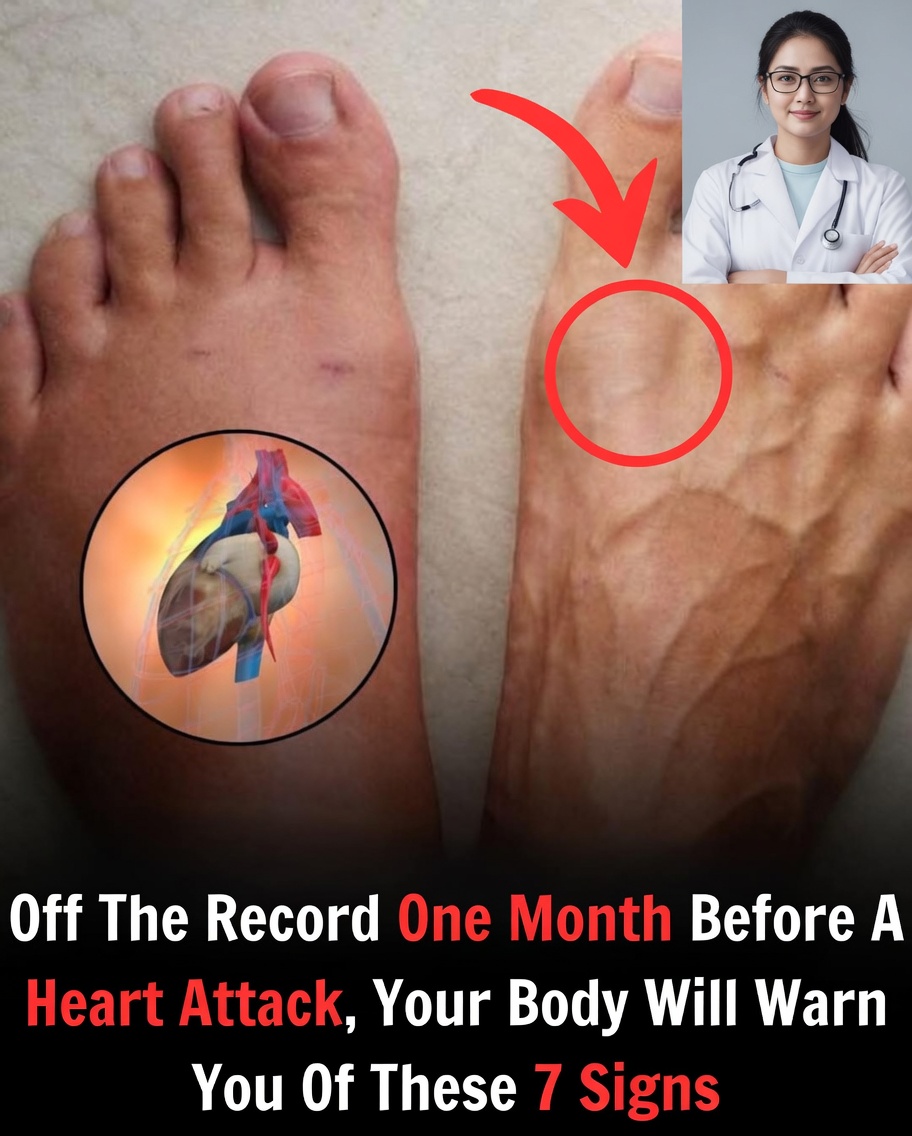
Swollen feet or ankles
When the heart isn’t pumping effectively, fluid can collect in the lower body, causing noticeable swelling in the legs, feet, or ankles. -
Unusual or persistent fatigue
If blood flow is reduced, the heart must work harder to supply the body. This can lead to ongoing tiredness, even after rest. -
Shortness of breath
A struggling heart may deliver less oxygen-rich blood, which can make breathing feel difficult—especially during light activity or when lying down. -
Sudden weakness
Poor circulation can reduce oxygen delivery to muscles, leading to unexpected weakness or low physical strength. -
Dizziness and cold sweats
When the brain doesn’t receive enough blood and oxygen, it may cause lightheadedness, faint feelings, or sweating without a clear reason. -
Chest pressure or tightening
Discomfort in the chest—such as pressure, heaviness, squeezing, or tightness—can build gradually and may become more intense over time. -
Flu-like symptoms
Some people develop symptoms that resemble a cold or flu (such as general aches or feeling unwell) in the days leading up to a heart attack.
What to Do If These Symptoms Appear
If you or someone near you experiences one or more of these warning signs—especially chest pressure, shortness of breath, or dizziness—seek medical care immediately. Prompt evaluation and early detection can be critical in preventing a heart attack or reducing its severity.