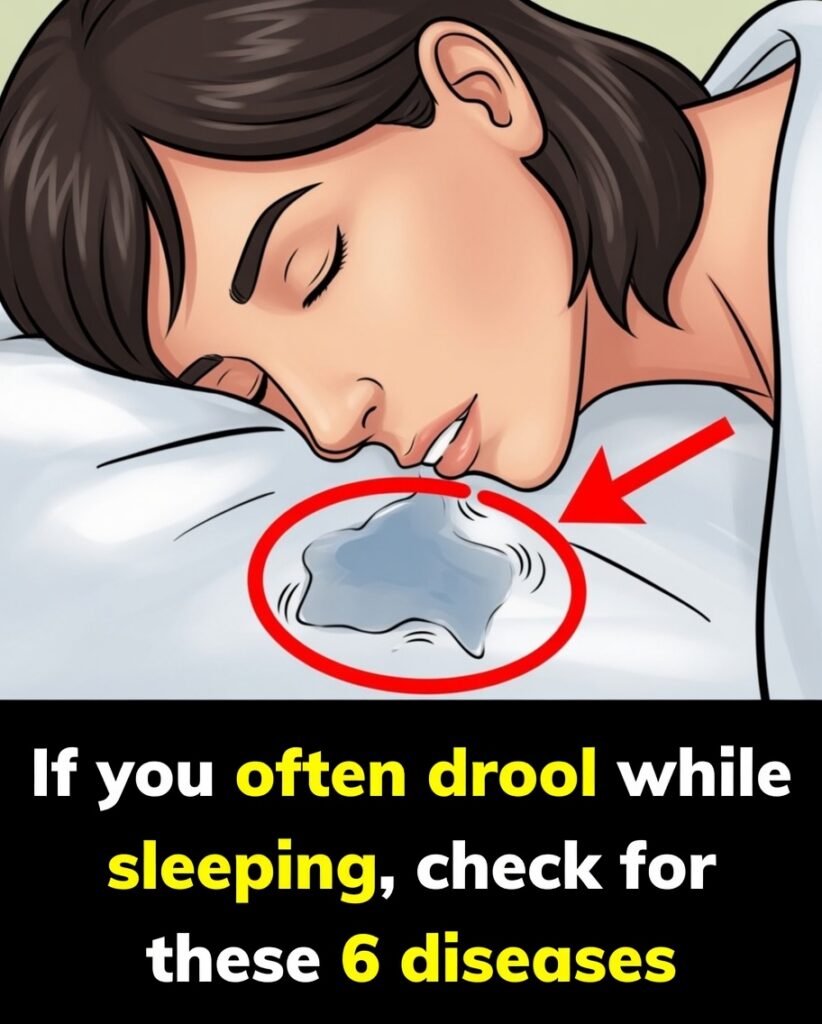
Drooling While Sleeping: What’s Normal and When It Could Signal a Health Issue
Drooling during sleep can be completely normal—especially if you’re in a deep sleep or you tend to sleep on your side or stomach. In many cases, a little saliva on the pillow is harmless. However, frequent or heavy drooling at night may point to an underlying problem, particularly if it happens regularly or comes with other symptoms.
Persistent nighttime drooling is often connected to issues that affect breathing, swallowing, saliva production, or muscle control. Conditions involving the respiratory system, digestive tract, or nervous system can all play a role.
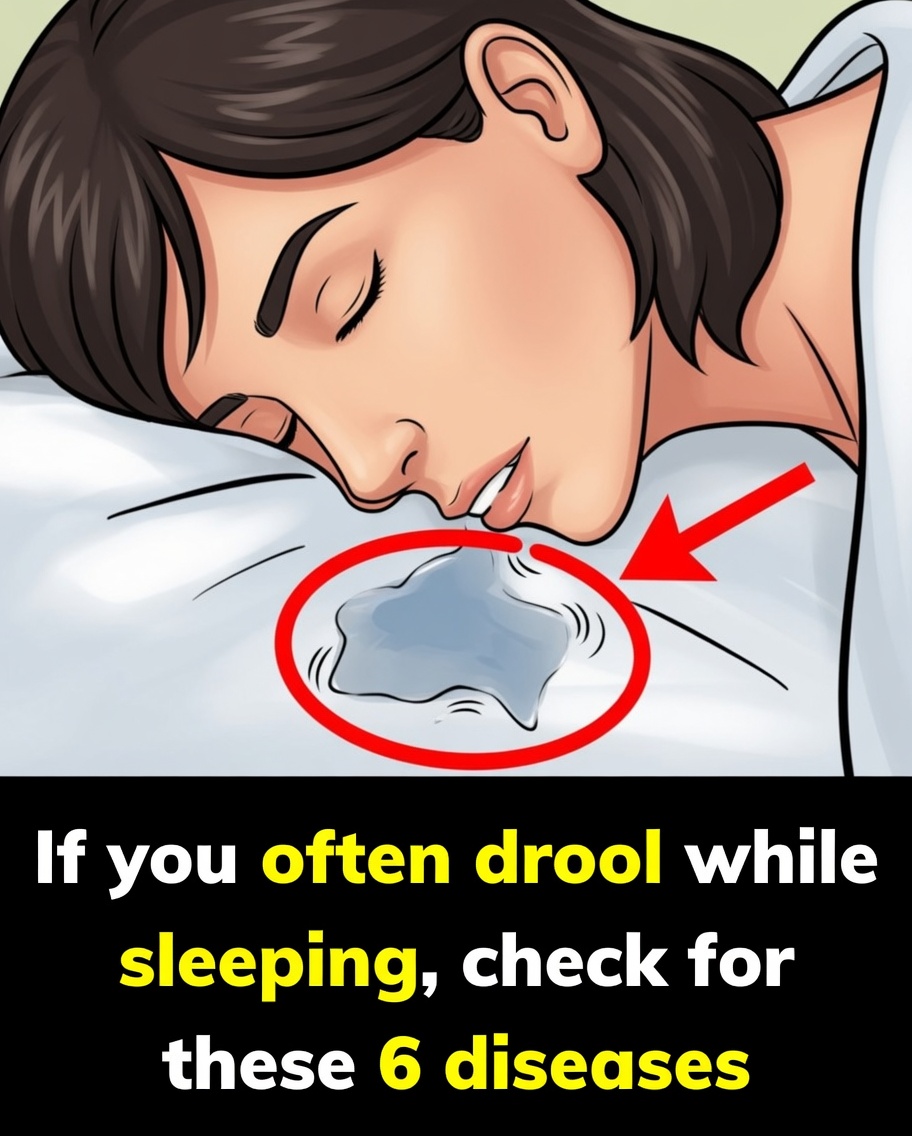
For example, nasal blockage from allergies or sinus problems can push you to breathe through your mouth, making drooling more likely. Acid reflux, sleep apnea, and some neurological conditions may also contribute. In addition, certain medications can increase saliva production, making drooling more noticeable at night.
If excessive drooling is disrupting your sleep or becoming embarrassing or uncomfortable, understanding the likely causes is the first step. Below are six common health conditions that can lead to excessive drooling while sleeping.
1. Sinus Infections or Allergies
When your nose is blocked due to a sinus infection, cold, or allergies, breathing through the nose becomes difficult. This often leads to mouth breathing, which increases the chance of drooling during sleep.
Inflamed sinuses can also boost mucus production and worsen nighttime breathing. Managing the underlying cause—such as treating a sinus infection or controlling allergies—can often reduce drooling.
2. Gastroesophageal Reflux Disease (GERD)
GERD happens when stomach acid moves back up into the esophagus. This irritation can trigger the body to produce extra saliva, which may result in drooling—especially when lying down.
Common GERD symptoms include:
- Heartburn
- Sour or bitter taste in the mouth
- Throat irritation
- Difficulty swallowing
Treatment may involve diet changes, lifestyle adjustments, and medication to reduce reflux and help control excess saliva.
3. Sleep Apnea
Sleep apnea is a sleep disorder where breathing repeatedly stops and starts. Because airflow is disrupted, many people with sleep apnea end up breathing through their mouth, which can increase drooling.
Other signs of sleep apnea can include:
- Loud snoring
- Choking or gasping during sleep
- Morning headaches
- Daytime sleepiness or fatigue
Since untreated sleep apnea can raise the risk of serious complications (including heart problems), medical evaluation is important. Treatment may include lifestyle changes, a CPAP machine, oral devices, or other approaches.
4. Neurological Disorders
Some neurological conditions affect the muscles used for swallowing and facial control. When swallowing becomes less efficient, saliva can build up and lead to drooling during sleep (and sometimes while awake).
Conditions linked to drooling include:
- Parkinson’s disease
- Stroke
- Cerebral palsy
Treatment may involve speech or swallowing therapy, medication, or specialized care to improve saliva control and swallowing function.
5. Tonsillitis or Throat Infections
When the tonsils or throat are inflamed, swallowing may become painful or difficult. As a result, saliva can collect in the mouth and spill out during sleep.
Symptoms often include:
- Sore throat
- Trouble swallowing
- Fever
- Swollen lymph nodes
Treatment depends on the cause. Bacterial infections may require antibiotics, while viral infections are typically managed with rest, fluids, and symptom relief.
6. Medication Side Effects
Some medicines can increase saliva production or affect muscle control, making drooling more likely. This is especially noted with certain drugs used for:
- Mental health conditions (including some antipsychotics)
- Alzheimer’s disease and related disorders
If you think a medication is contributing to excessive drooling, speak with a healthcare professional. A doctor may recommend an alternative, adjust the dosage, or suggest strategies to reduce the side effect.
When to See a Doctor
Seek medical advice if drooling is:
- Frequent or worsening
- Excessive enough to interfere with sleep
- Accompanied by other symptoms, such as trouble swallowing, breathing issues, choking, or neurological changes
A clinician can identify the underlying cause and recommend the most effective treatment.
Conclusion
Occasional drooling in sleep is common and usually not a cause for concern. But if it happens often or heavily, it may be linked to an underlying condition such as sinus congestion, GERD, sleep apnea, neurological disorders, throat infections, or medication side effects. Addressing the root cause can improve both sleep quality and overall health—and if the problem persists, professional medical guidance is the safest path forward.