Greater Burdock Root (Arctium lappa) and Cancer Care: What to Know
Greater burdock root (Arctium lappa) is often discussed as a supportive herbal option during cancer treatment, thanks to its traditional use and its mix of plant compounds. However, it’s vital to be clear: burdock root is not a cancer cure. If you’re living with cancer or managing any serious medical condition, speak with a qualified healthcare professional (and your oncology team) before adding burdock root or any supplement to your routine.
What Is Greater Burdock Root?
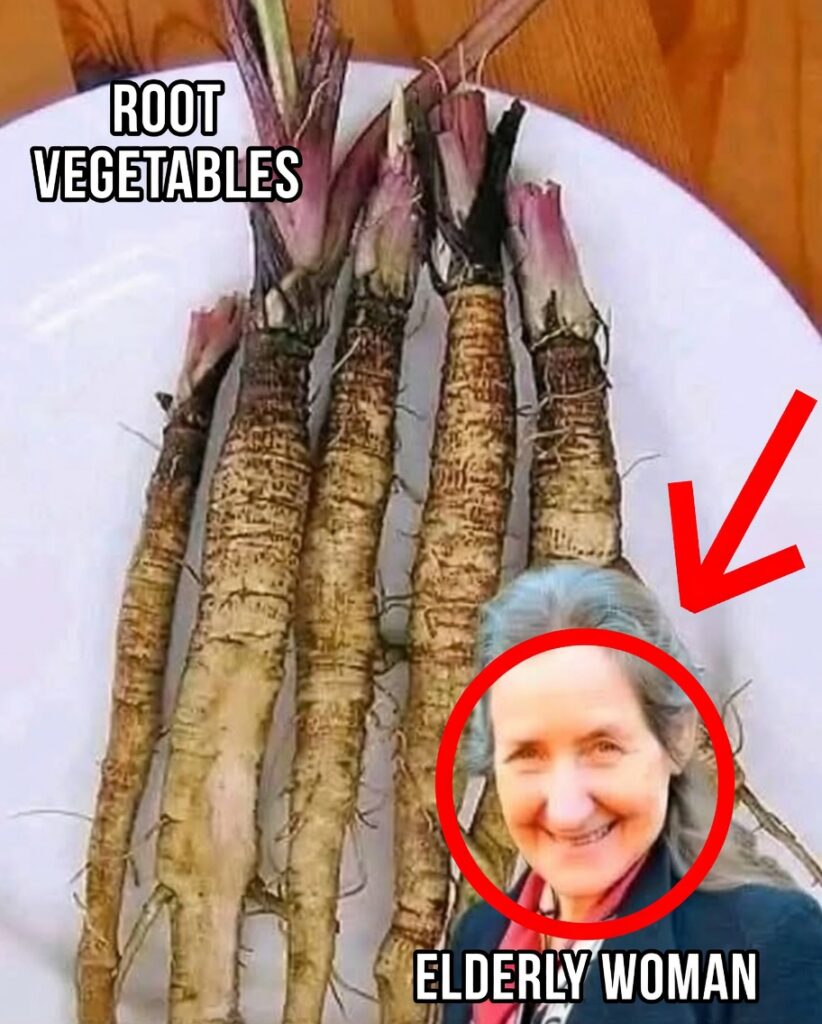
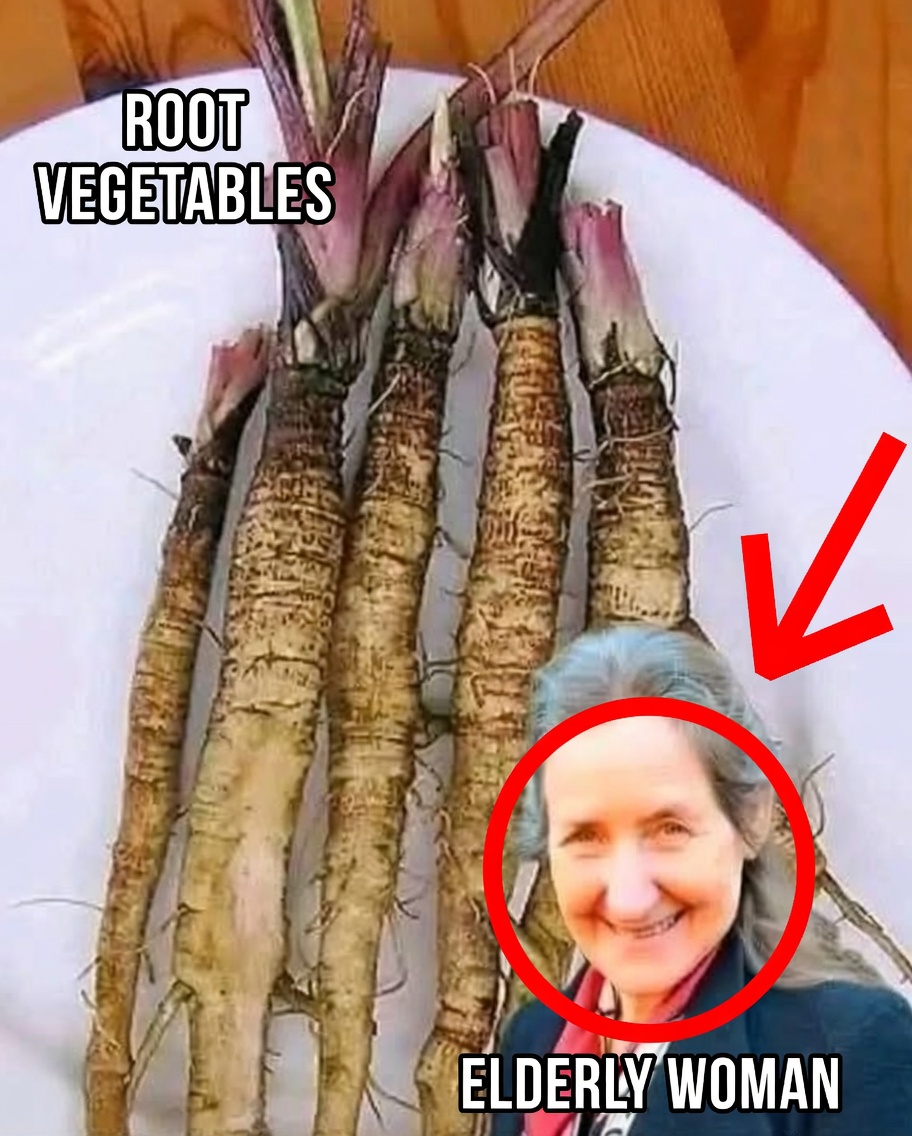
Greater burdock root—commonly shortened to burdock—is an edible root vegetable originally native to parts of Europe and Asia. It has a long history in herbal traditions, including Traditional Chinese Medicine (TCM) and European herbalism.
Burdock root can be used in several forms, such as:
- Whole root (fresh or dried)
- Herbal teas or decoctions
- Tinctures
- Capsules
Its taste is generally mild and earthy, and in some cuisines it’s enjoyed as a regular food ingredient.
Key Nutrients and Bioactive Compounds in Burdock Root
Burdock is valued for both nutrition and phytochemicals (natural plant compounds). Commonly highlighted components include:
-
Antioxidants
Burdock contains antioxidant compounds such as phenolic acids, quercetin, and luteolin. Antioxidants help reduce oxidative stress, which may increase during treatments like chemotherapy or radiation. -
Inulin (a prebiotic fiber)
Inulin is a soluble fiber that supports beneficial gut bacteria. Since gut health plays a role in immune function and overall resilience, it can be especially relevant during cancer care. -
Lignans and other phytochemicals
Burdock root includes a range of phytochemicals that have shown antimicrobial, anti-inflammatory, and potential anticancer activity in preclinical research. Human evidence is still limited, and more studies are needed to understand the real-world impact.
Potential Supportive Benefits During Cancer Treatment
Burdock root is sometimes used as part of a complementary cancer support plan. Potential areas of support include the following.
Antioxidant Support
- Why it may matter: Some cancer therapies can increase oxidative stress. Additional dietary antioxidants may help protect healthy cells from some stress-related effects.
- What research shows: Most evidence comes from lab and animal studies. High-quality human clinical trials are limited.
Anti-Inflammatory Activity
- Why it may matter: Ongoing inflammation is linked with various health complications and may contribute to disease processes.
- What research shows: Burdock’s plant compounds may influence inflammatory pathways, but more human research is needed to confirm meaningful benefits during cancer treatment.
Gut and Immune System Support
- Why it may matter: Maintaining a healthy gut microbiome can support digestion, nutrient absorption, and immune balance—all important during intensive medical treatment.
- How burdock may help: The inulin content may encourage healthier gut flora, indirectly supporting immune health.
Traditional “Detox” and Liver Support Claims
- Why it may matter: The liver plays a central role in metabolizing medications and processing byproducts in the body.
- Important note: Burdock is traditionally described as “blood-purifying,” but scientific evidence for detox claims is limited. Still, supporting general wellness and liver health is often a goal during treatment—always under medical supervision.
Use in Complementary Herbal Blends
- Why it may matter: Burdock root appears in some well-known complementary herbal mixtures, including Essiac tea.
- Important note: These products are considered complementary, not primary cancer treatments, and should not replace standard medical care.
Practical Ways to Use Burdock Root
If your healthcare provider approves burdock root as part of your routine, these are common methods of use:
Tea / Decoction
- Simmer dried burdock root in water for 10–15 minutes to extract its components.
- Drink warm; some people add mild herbs like ginger or licorice for taste.
Capsules or Tinctures
- These formats provide a more concentrated and convenient option.
- Follow label directions carefully and use professional guidance for dosing.
Culinary Use (Food Preparation)
- Fresh burdock root can be peeled, sliced, and cooked in soups or stir-fries.
- Cooking can improve texture and flavor while making it easier to include in meals.
Safety, Side Effects, and Precautions
Not a Replacement for Cancer Treatment
Burdock root should never be used instead of medically recommended therapies such as:
- Chemotherapy
- Radiation
- Surgery
- Targeted therapy or immunotherapy
- Any prescribed oncology treatment plan
Allergies and Possible Drug Interactions
- People sensitive to plants in the Asteraceae (daisy) family may have allergic reactions.
- Burdock may not be suitable for everyone, especially if you take medications related to:
- Blood sugar control
- Blood thinning
- Always confirm compatibility with your clinician or pharmacist.
Quality Matters
Choose products from reputable suppliers to reduce risk of:
- Contamination
- Mislabeling
- Pesticide residue
- Adulteration with other herbs
Pregnancy and Breastfeeding
Safety has not been clearly established for pregnancy or nursing. Professional medical advice is strongly recommended.
Dosing and Duration
There is no universal dose that fits everyone. Dosage depends on your health status, current treatment, and the form used. Ideally, use should be supervised by a qualified practitioner familiar with oncology care.
Bottom Line
Greater burdock root may offer gentle supportive benefits—including antioxidant intake, potential anti-inflammatory effects, and gut-related support—making it of interest in a broader wellness plan during cancer care. Still, human evidence for direct anticancer effects remains limited, and it must not replace or delay conventional treatment.
Before using burdock root, discuss it with your oncology team to ensure it’s safe, appropriate, and does not interfere with your treatment plan or medications.