Stop Dandruff, Itching, and Scalp Fungus Naturally With Guava Leaves
Do you find extra hair on your pillow, a constantly itchy scalp, or greasy roots every rainy season? You’re not the only one. High humidity can slowly disrupt scalp health, weaken hair at the roots, and spark stubborn dandruff. The good news: a simple, natural leaf may help support a cleaner, calmer scalp—guava leaves.
During humid months, moisture and heat create ideal conditions for fungal overgrowth and oil buildup. The result is often a mix of dandruff flakes, scalp irritation, hair fall, and flat, dull-looking hair. Instead of depending solely on harsh anti-dandruff formulas, many people are returning to plant-based care—especially guava leaf treatments.
Why Guava Leaves Are Good for Scalp and Hair
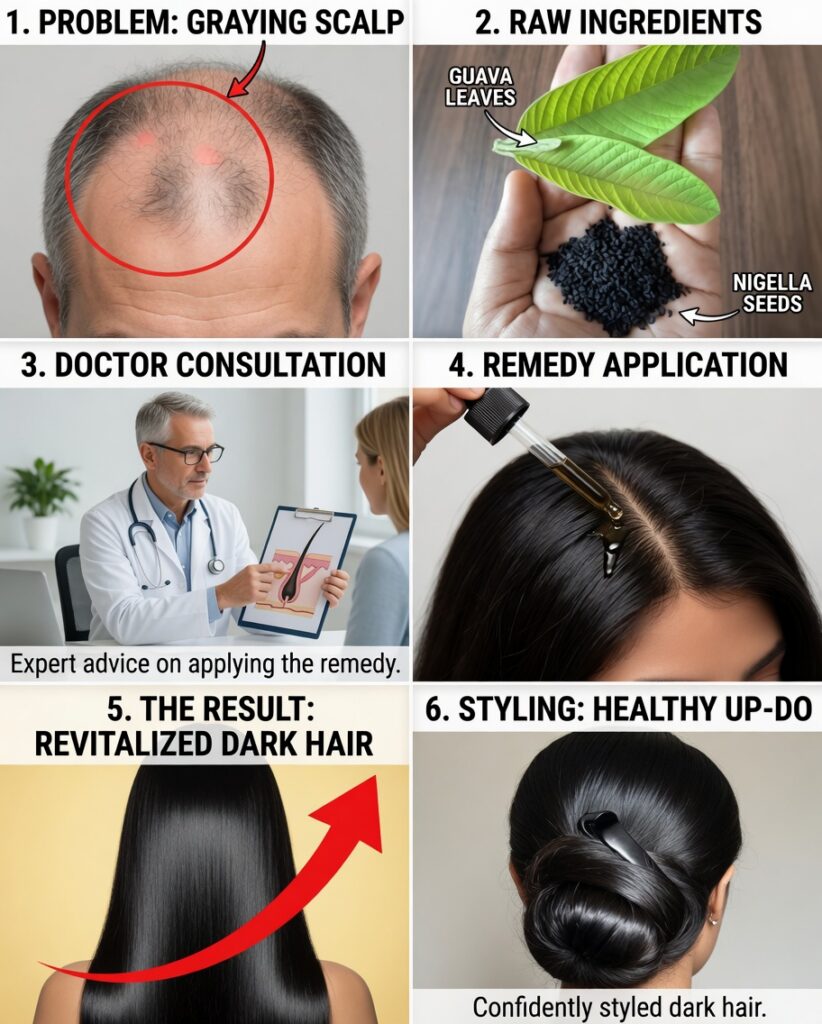
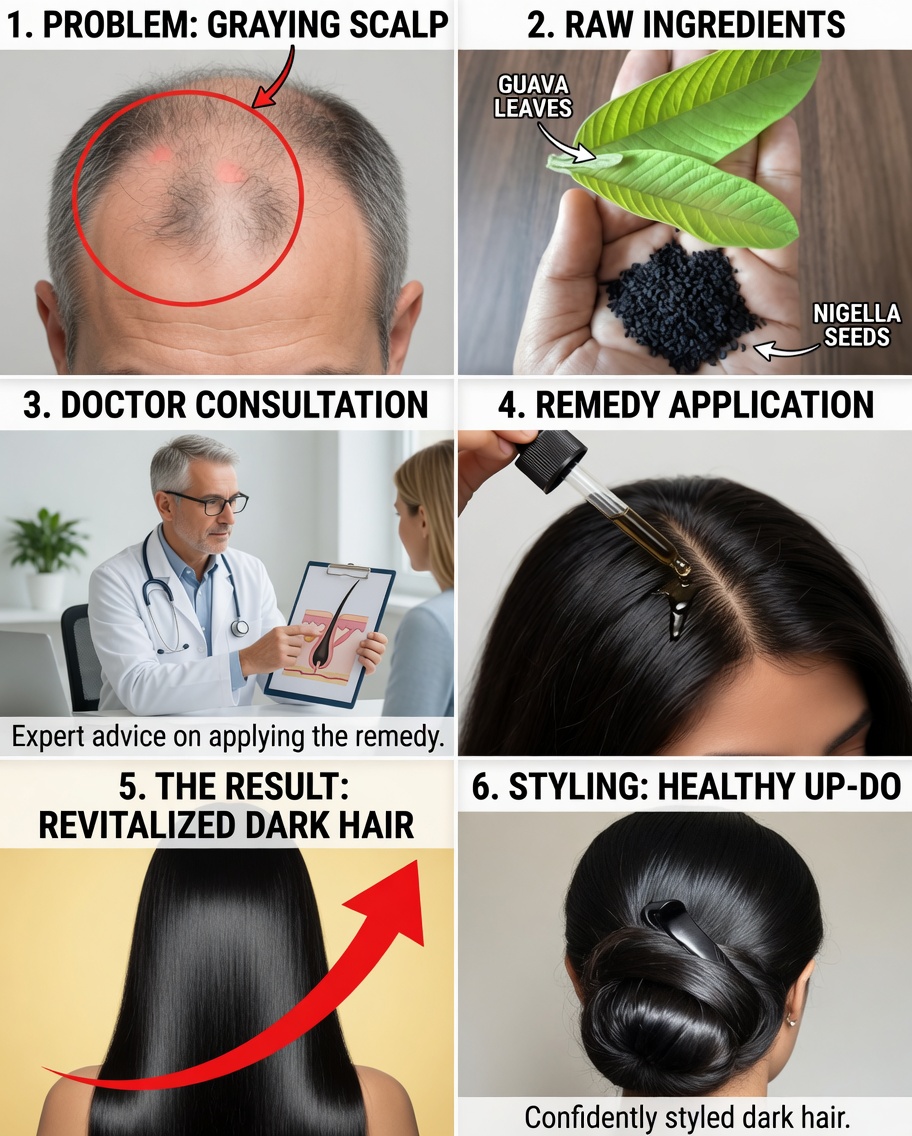
Guava leaves contain plant compounds such as quercetin, flavonoids, and other antibacterial and antioxidant components. These nutrients may help:
- Fight scalp microbes linked to dandruff and itchiness
- Support stronger hair follicles
- Promote a healthier scalp environment over time
1) Helps Reduce Dandruff and Scalp Infections
Guava leaves are known for antifungal and antimicrobial properties, which can help manage dandruff and soothe itching.
How to use (guava leaf rinse):
- Boil a handful of fresh guava leaves in 1 liter of water for 10–15 minutes
- Cool completely
- Use as a final rinse after washing, 2–3 times per week
Optional boost: Add 1 teaspoon of apple cider vinegar for a stronger clarifying effect.
Precaution: Skip this method if you have open cuts, sores, or a broken scalp barrier.
2) Supports Stronger Roots and May Reduce Hair Fall
The nutrients in guava leaves can help reinforce hair roots, which may reduce breakage-related shedding and improve the look of overall density.
How to use (leaf paste mask):
- Crush or grind leaves into a smooth paste
- Apply directly to the scalp and massage gently
- Leave on for 20–30 minutes, then rinse thoroughly
Frequency: About 2 times per week
Consistency matters: Use for at least 3–4 weeks to evaluate results.
3) Cleanses an Oily Scalp Without Harsh Stripping
Guava leaves contain natural compounds (including saponins) that can act as mild cleansers, helping lift excess oil and buildup at the roots.
How to use:
- Use cooled guava leaf water as a scalp wash or rinse
- Concentrate on the roots and scalp, not just the hair lengths
Benefit: A fresher scalp feel that lasts longer, without the “over-dry then over-oily” cycle.
4) Reduces Humidity Frizz and Improves Shine
Humidity can roughen the hair cuticle, leading to frizz and a dry, puffy appearance. Guava leaf rinses may help hair feel smoother and look more reflective.
How to use (leave-in mist):
- Pour cooled guava leaf tea into a spray bottle
- Lightly mist onto hair after washing
Result: Softer texture, better manageability, and more visible shine.
5) Helps Maintain a Balanced Scalp Environment
Healthy hair growth depends on a stable scalp. Guava leaves may support natural scalp balance, which can reduce irritation and discomfort.
Tip: Regular use is helpful, but don’t overdo it—scalp balance comes from consistency, not excess.
6) Strengthens Hair and Helps Prevent Breakage
Antioxidants in guava leaves may help protect the hair’s structure from daily stressors, reducing weakness and damage over time.
How to use (guava leaf-infused oil):
- Place guava leaves in coconut oil and let it infuse for 5–7 days
- Apply the oil once weekly, massaging gently into the scalp
Best practice: Leave overnight, then wash out the next day.
Simple Weekly Guava Leaf Hair Care Routine
For an easy, realistic schedule, try:
- Rinse: 2–3 times per week
- Scalp mask: 1–2 times per week
- Oil treatment: 1 time per week
With steady use, many people report hair that feels softer, looks thicker, and appears healthier within a few weeks.
Final Thoughts
Nature often offers straightforward answers to frustrating scalp problems. Guava leaves are inexpensive, widely available, and surprisingly effective when used correctly and consistently. If you’re dealing with severe hair loss, ongoing scalp inflammation, or persistent dandruff, it’s smart to consult a dermatologist to identify the root cause and get the right treatment plan.