Back Pain, Weakness, and Low Immunity? One Key Nutrient May Be Missing — Here’s How to Fix It Naturally
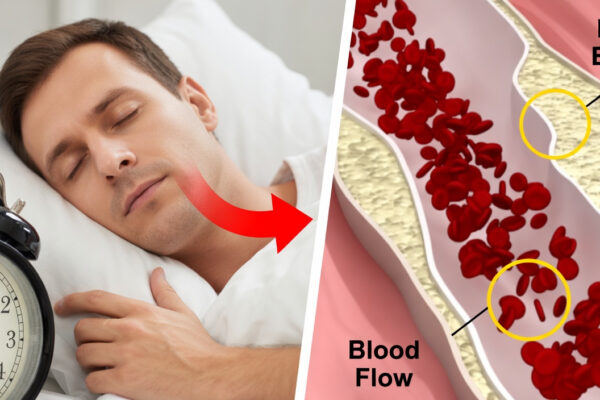
Waking up tired even after a full night’s sleep, dealing with unexplained back pain, and catching every cold that’s going around can feel discouraging. These day-to-day issues often build up quietly, especially when you can’t pinpoint a clear reason.
What many people don’t realize is that this combination of symptoms may be linked to a very common problem: low vitamin D levels.
The encouraging part is that spotting the warning signs early can help you take simple, practical steps to feel stronger and more energized again.
What Is Vitamin D, and Why Does It Matter?
Vitamin D is often called the “sunshine vitamin” because your body can produce it when your skin is exposed to sunlight. It plays a crucial role in:
- Helping your body absorb calcium
- Supporting strong bones and teeth
- Maintaining muscle function
- Contributing to a balanced immune system
When vitamin D is low, your body may show subtle signs of imbalance. Because these symptoms can be mild at first, they’re frequently blamed on stress, getting older, poor sleep, or a busy routine.
10 Common Signs of Low Vitamin D
1. Persistent fatigue
If you feel drained even after resting, vitamin D may be involved, since it supports processes related to cellular energy.
2. Bone pain or lower back discomfort
Low vitamin D can contribute to bone sensitivity and is often associated with aches, especially in the lower back.
3. Muscle weakness or cramps
Climbing stairs, lifting bags, or exercising may feel harder than usual.
4. Mood changes
Feeling down, irritable, or unmotivated can sometimes be connected to vitamin D status.
5. Getting sick more often
Because vitamin D supports immune function, deficiency may coincide with more frequent colds and infections.
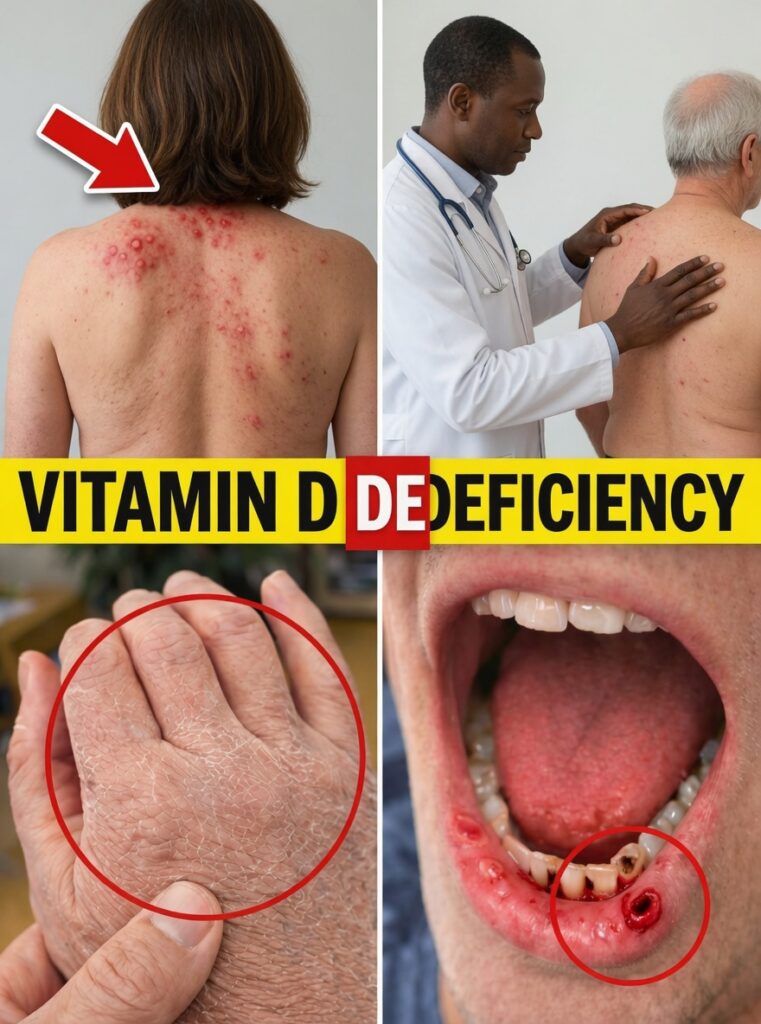
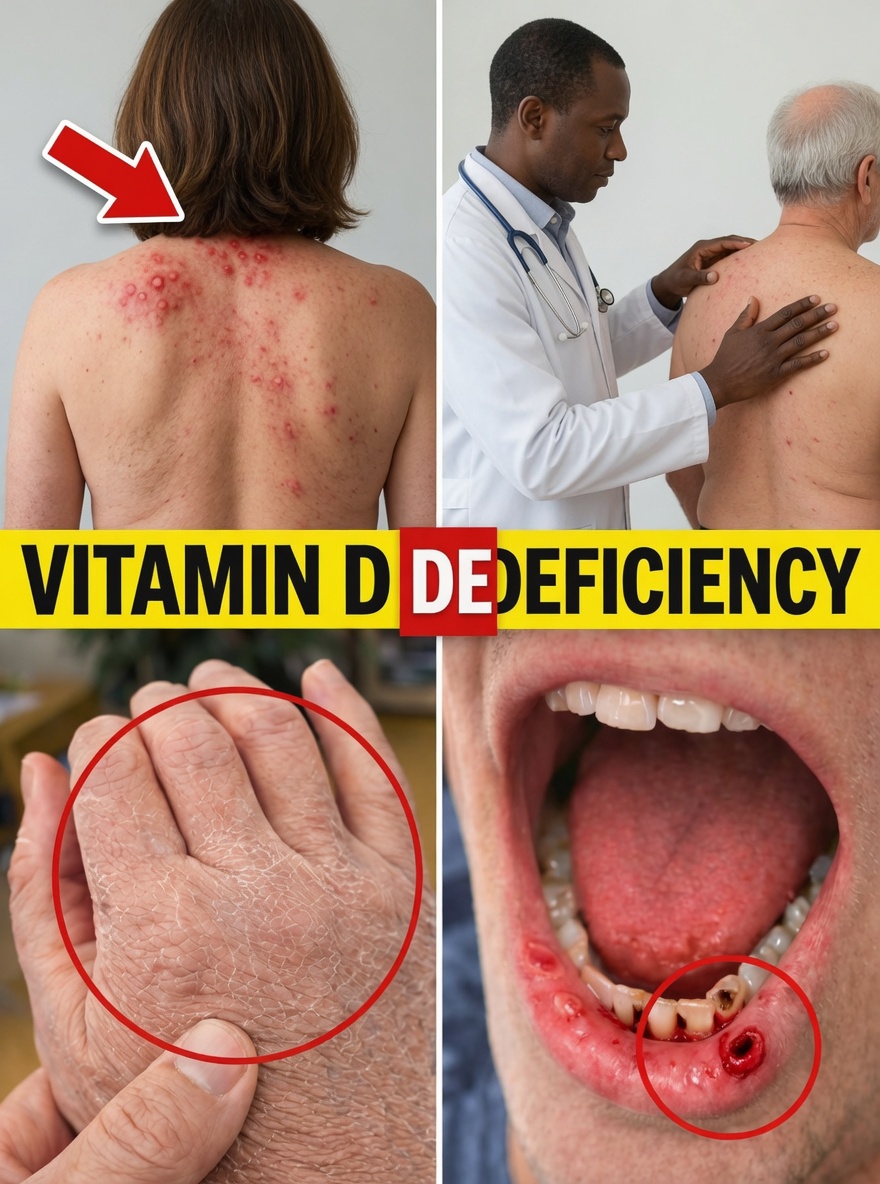
6. Dry, itchy, or irritated skin
Some people notice increased dryness, redness, or discomfort on the skin.
7. Slow wound healing
Cuts or minor injuries that take longer to improve may signal a nutritional gap.
8. Hair shedding
In some cases, people report more noticeable hair loss.
9. Joint discomfort
Mild stiffness or aches during movement may appear.
10. Sleep difficulties
Poor sleep can worsen daytime fatigue and may be part of the overall pattern.
Why These Symptoms Are Often Missed
Vitamin D deficiency tends to develop gradually. Because the signs can be vague, it’s easy to blame work stress, lifestyle habits, or aging. However, when multiple symptoms show up together, it’s a strong reason to look deeper rather than dismiss them as “normal.”
How to Support Healthy Vitamin D Levels Naturally
You can often improve vitamin D status with consistent, simple habits:
- Get sunlight for about 10–15 minutes a few times per week (as appropriate for your skin and local UV levels)
- Add more vitamin D-rich foods, such as:
- Salmon and other fatty fish
- Egg yolks
- Mushrooms exposed to sunlight
- Fortified milk or fortified plant-based drinks
- Consider supplementation when needed (ideally with professional guidance)
- Schedule regular blood tests to track your levels
When to Talk to a Professional
If you recognize several of these signs for multiple weeks, it’s wise to speak with a healthcare professional. A simple blood test can quickly clarify whether vitamin D deficiency may be contributing to your symptoms.
Frequently Asked Questions
Can low vitamin D cause skin problems?
It may contribute to skin issues in some people, but it’s rarely the only factor.
How long does it take to feel better?
It varies by person. In general, improvement depends on consistency and how low your levels were to begin with.
Can you take too much vitamin D?
Yes. Excess vitamin D can be harmful, which is why avoiding high doses without guidance is important.
Final Thoughts
Vitamin D deficiency is more common than many people think—especially for those who spend little time outdoors. The signs may be easy to overlook, but paying attention to your body can make a real difference.
With a few steady changes—moderate sun exposure, a balanced diet, and proper monitoring—many people can support better energy, stronger immunity, and improved overall well-being.
Important: This article is for informational purposes only and does not replace medical advice. Always consult a qualified professional for personalized care.