This Tiny “Stone” Could Be Causing Your Bad Breath — Without You Realizing It
You brush your teeth twice a day, floss regularly, and still notice people stepping back during a conversation. Or maybe you feel mild irritation, a scratchy sensation, or something “stuck” at the back of your throat that never fully goes away. Persistent bad breath and throat discomfort can happen even with good oral hygiene — and the cause isn’t always your teeth.
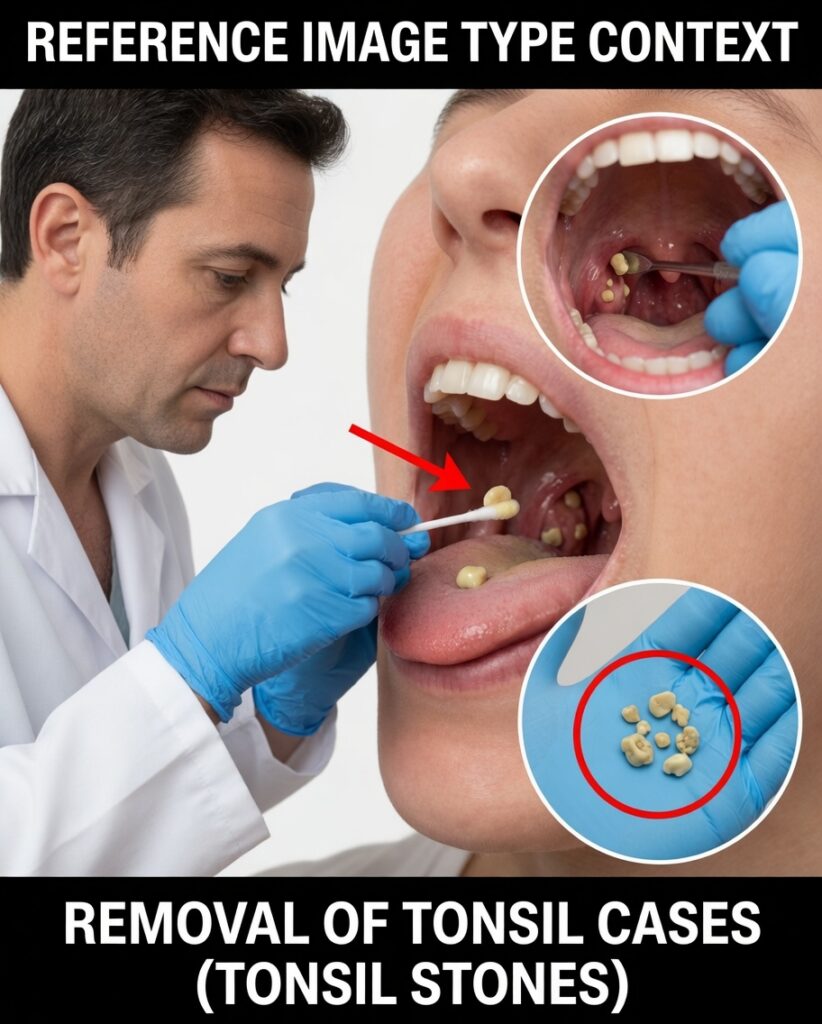
In many situations, the real culprit is hidden in the tonsils. Small white or yellowish particles called tonsil stones (medically known as tonsilloliths) can form quietly, without obvious warning. These tiny deposits are a common reason for chronic bad breath and that strange throat sensation. Below, you’ll learn what tonsil stones are, why they develop, the most frequent symptoms, and practical ways to manage them.
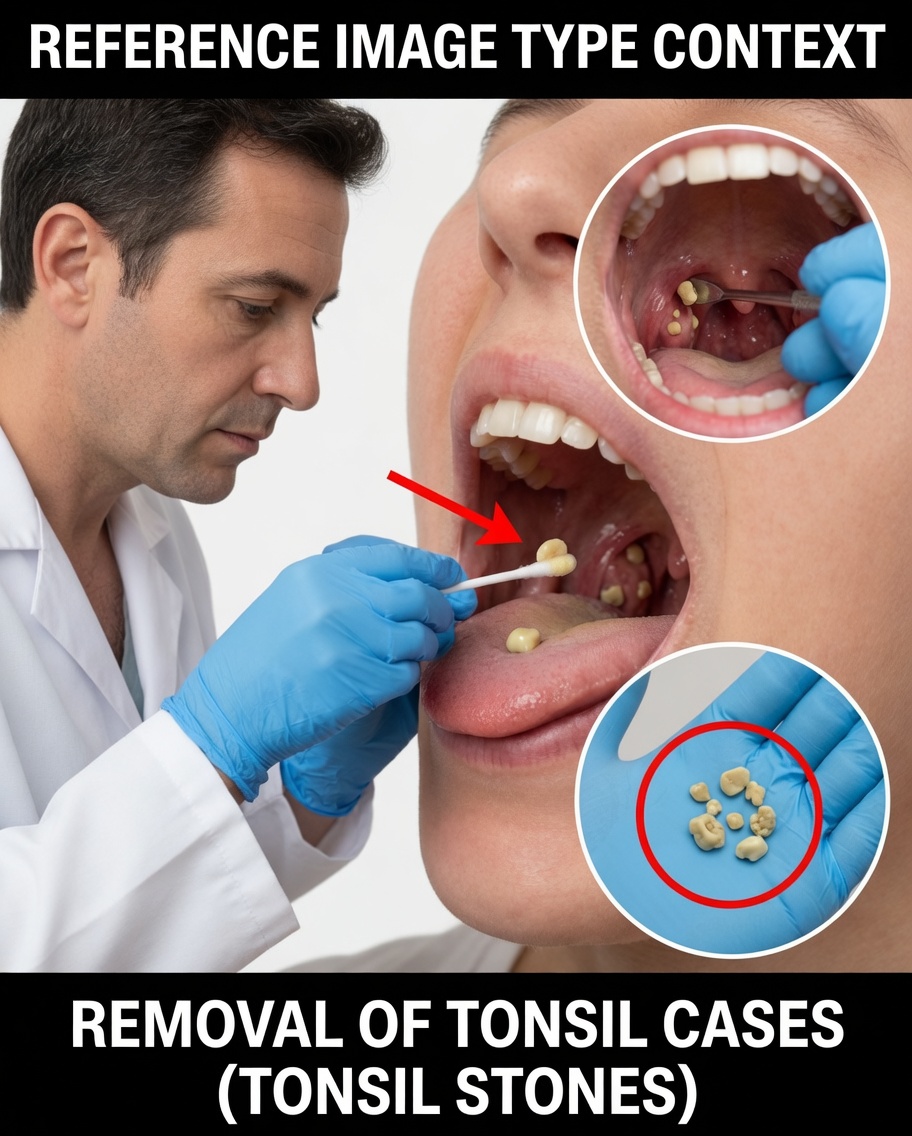
What Are Tonsil Stones?
Tonsil stones are small, hardened deposits that develop inside the natural pockets of the tonsils, known as crypts. These pockets can trap:
- Bacteria
- Dead cells
- Mucus
- Food debris
Over time, this trapped material can compact and calcify, forming small “stones.”
They’re usually white, beige, or yellow, and their size can vary — from a tiny grain to something closer to a pea. Many people have them without noticing until the odor or throat discomfort becomes hard to ignore.
Tonsil stones are more common than most people think, especially in adults. The bacteria inside them can release sulfur compounds, which are well known for causing persistent halitosis (bad breath).
Why Do Tonsil Stones Form?
The tonsils play a role in immune defense by trapping viruses and bacteria. The downside is that this same function can make it easier for debris to collect in the crypts.
Common factors that may increase the chance of tonsil stones include:
- Incomplete oral hygiene (even when brushing well, bacteria can build up on the back of the tongue)
- Excess mucus linked to allergies, post-nasal drip, or sinus issues
- Frequent tonsil inflammation or repeated tonsillitis
- A diet high in sugar or, for some people, dairy products
When debris remains lodged in the tonsils and begins to harden, it creates an ideal environment for bacteria — and that often leads to an unpleasant smell.
Most Common Symptoms
Tonsil stones don’t always cause clear symptoms. When they do, the most reported signs include:
- Ongoing bad breath that doesn’t improve with brushing and flossing
- A bad taste in the mouth (sometimes described as metallic)
- The feeling of something stuck in the throat
- Visible white or yellow spots on the tonsils
- Occasional ear pain (referred discomfort)
- Mild cough or throat irritation
If you’ve upgraded your dental routine and the problem still won’t go away, tonsil stones may be the missing explanation.
How to Reduce Tonsil Stones at Home
Simple habits often help reduce buildup and improve breath:
- Stay well hydrated: drinking water helps naturally rinse the mouth and throat
- Clean your tongue daily: tongue brushing or a tongue scraper can reduce bacteria
- Gargle with salt water: dissolve ½ teaspoon of salt in warm water and gargle
- Use an oral irrigator carefully: choose low pressure to avoid irritation
- Adjust your diet: cutting back on dairy may help some people, depending on mucus production
Important: Avoid using sharp tools or pointed objects to remove tonsil stones. This can injure the tonsils and increase inflammation or bleeding.
When to Seek Professional Help
Tonsil stones are usually harmless and manageable. However, it’s best to speak with a healthcare professional if you experience:
- Significant pain
- Difficulty swallowing
- Frequent recurrence
- Ongoing symptoms that don’t improve with home care
Frequently Asked Questions
Do tonsil stones go away on their own?
Yes. Smaller stones can dislodge naturally when you swallow, cough, or clear your throat.
Are tonsil stones contagious?
No. They are not a transmissible infection.
Do I need my tonsils removed?
Rarely. Tonsil removal is typically considered only in severe cases with frequent recurrence and persistent symptoms.
Final Thoughts
Living with constant bad breath can be uncomfortable — and sometimes embarrassing. Understanding that tonsil stones may be the cause is often the first step toward real improvement. With consistent, simple habits, many people can reduce symptoms significantly.
Keep in mind that every body is different, so results can vary.
Disclaimer: This content is for informational purposes only and does not replace professional medical advice. If symptoms persist, consult a qualified healthcare specialist.