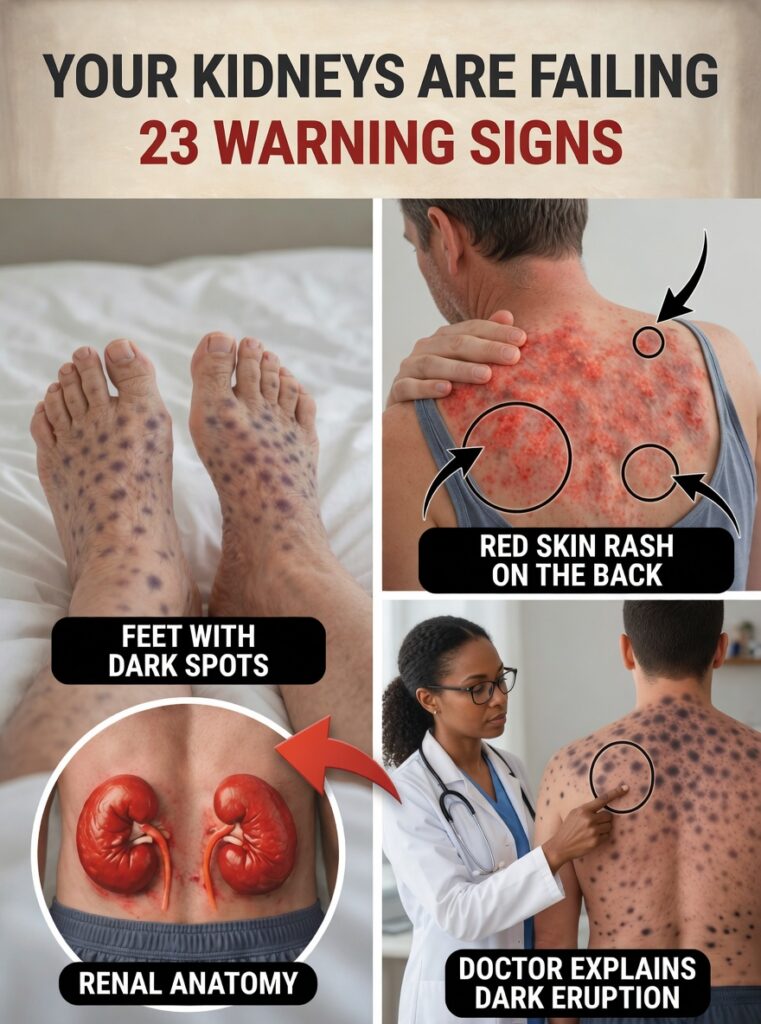
Itching, fatigue, or unusual urine? Learn how to support your kidneys naturally and regain balance
You go about your day as usual—until you notice you’re more tired than normal, your ankles look puffy by late afternoon, or you wake up several times at night to use the bathroom. At first, these changes may seem harmless. Over time, however, they can point to something deeper—something many people only recognize when it has already progressed.
Your kidneys work quietly but powerfully. They filter waste, balance fluids, and help keep your body stable. When that system starts to struggle, the earliest signs often appear in unexpected ways.
The good news is that noticing symptoms early can make a real difference. Below, you’ll find 23 commonly overlooked signs, why they may happen, and simple steps you can start today to better protect your kidney health.
Why kidney health matters more than most people think
Your kidneys work nonstop, filtering around 180 liters of blood per day. When kidney function declines, toxins and excess fluids can build up gradually. Millions of people live with kidney issues without realizing it, because early symptoms can look like stress, poor sleep, or “just getting older.”
Kidney-related changes often show up in:
- Energy levels
- Skin and appearance
- Urine and bathroom habits
- Sleep and breathing
- Blood pressure
Everyday body changes that are easy to miss
1) Constant fatigue
Feeling exhausted even after a good night’s sleep may be linked to reduced production of red blood cells, which affects oxygen delivery throughout the body.
2) Trouble focusing (“brain fog”)
When waste products accumulate, concentration can worsen and mental clarity may drop.
3) Feeling cold more often
Even in normal temperatures, you may feel unusually cold due to circulation and blood-related changes.
Visible signs on the skin and face
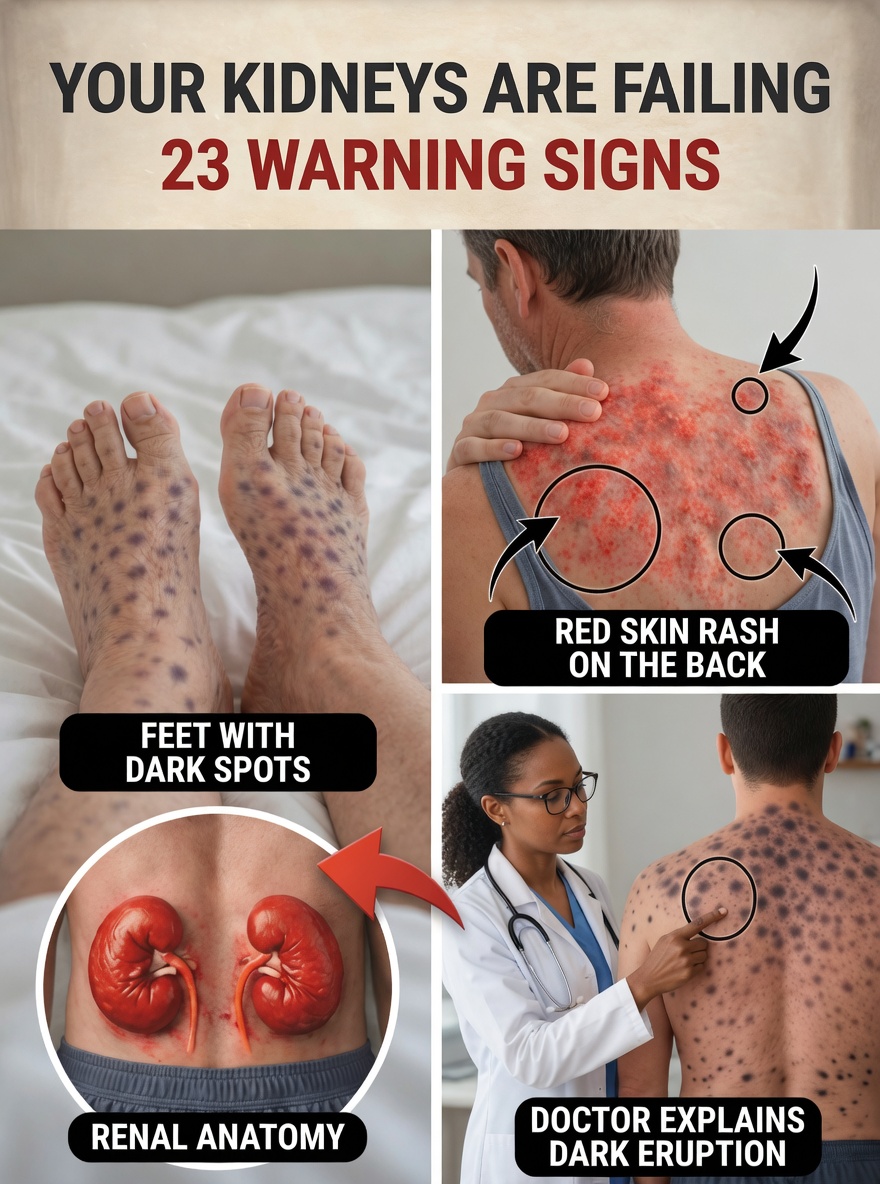
Kidney stress can sometimes appear on the outside, especially through skin changes such as:
- Dry skin with persistent itching
- Rashes or redness without a clear trigger
- A darker or yellowish skin tone
- Small bumps or uneven texture (more common in later stages)
4) Puffiness around the eyes
Swelling around the eyes—especially in the morning—can be related to fluid retention.
Swelling in the body (fluid retention)
You may notice:
- Swollen ankles and feet
- Sock marks that linger on the skin
- Swelling in the hands or face
This can happen when the kidneys can’t remove excess sodium and fluids efficiently.
What your urine may be telling you
Changes in urination are among the most useful clues. Watch for:
- Urinating more often, especially at night
- Foamy or bubbly urine
- Urine that looks dark, pink, or cola-colored
- Noticeable changes in urine volume
Foamy urine may suggest protein loss. Blood in the urine is a medical warning sign and needs prompt evaluation.
Other important signs to take seriously
Kidney issues can also be linked to:
- Muscle cramps
- Shortness of breath
- Reduced appetite or a metallic taste
- Nausea
- Difficulty sleeping
- High blood pressure that’s hard to control
- Bad breath with an ammonia-like smell
- Pale appearance or easy bruising
Any one of these can be common on its own—but several together deserve attention.
Common symptoms vs. true warning signs
Looking at patterns can help you decide when something is “normal” versus concerning:
- Fatigue: occasional vs. ongoing and daily
- Swelling: after a long day vs. persistent or worsening
- Itching: mild and temporary vs. intense and continuous
- Urine changes: rare vs. frequent or consistent
Tracking symptoms over several days can reveal whether the issue is temporary or persistent.
What you can do starting today
Simple habits can support kidney function and overall balance:
- Drink enough water (but avoid overdoing it)
- Cut back on salt and heavily processed foods
- Do light physical activity, such as walking
- Choose whole, balanced meals with natural foods
- Get routine tests, such as creatinine (blood test) and a urine analysis
Small changes, done consistently, can bring meaningful benefits.
When to seek medical help
If you recognize multiple signs from this list—especially urine changes, ongoing swelling, or persistent fatigue—talk to a healthcare professional. Sharing specific symptoms (when they started, how often they happen, and what has changed) can help support earlier diagnosis.
Conclusion
Kidney health is easy to overlook—until the body starts sending clearer signals. Learning to spot those signs is an important step toward prevention and long-term well-being. Pay attention to changes, listen to your body, and take kidney-friendly action early.
Disclaimer: This content is for informational purposes only and does not replace medical advice. Always consult a qualified health professional for proper evaluation and guidance.