After 60, Are Your Legs Feeling Weaker? This Natural Food May Help Support Strength and Mobility
As the years go by, it’s common to notice that climbing stairs takes more effort or that your arms tire faster during everyday tasks. These gradual changes can affect confidence and independence. What if a simple adjustment on your plate could help you stay stronger for longer? Keep reading—you might be surprised by what’s missing from your meals.
Why Muscle Strength Matters More After 60
With age, the body naturally loses muscle mass—a process often linked to reduced balance, slower movement, and difficulty with routine activities like carrying groceries or playing with grandchildren. Research consistently shows that eating high-quality protein throughout the day, combined with regular movement, helps support muscle maintenance.
Many experts recommend around 1.0 to 1.2 grams of protein per kilogram of body weight per day, spread across meals. This distribution helps the body use protein more effectively.
The key point: it’s not only about how much protein you get—the type of protein and how you include it in meals can make a real difference.

The Overlooked Plant Protein That Can Make a Difference
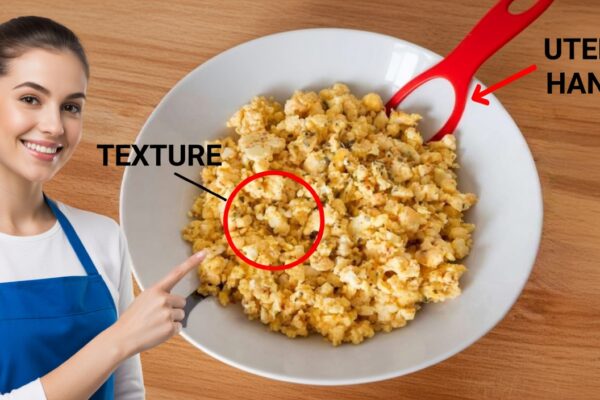
One highly practical but often underestimated option is textured vegetable protein (TVP), also known as textured soy protein. Made from soybeans, TVP contains all essential amino acids, making it a complete protein.
A prepared serving of ½ cup can provide about 15–20 grams of protein, typically with low fat. It’s also shelf-stable, easy to store, and convenient to keep on hand.
Because its texture is similar to ground meat and it absorbs flavors well, TVP works beautifully in:
- Soups and stews
- Stir-fries and sautés
- Pasta sauces
- Homemade burgers or patties
Quick Protein Comparison
- Chicken (85 g / 3 oz): 20–25 g protein
- Egg (1 large): 6 g protein
- Lentils (½ cup cooked): about 9 g protein
- TVP (½ cup prepared): 15–20 g protein
For people with a smaller appetite or chewing difficulties, TVP can be a nutrient-dense, easy-to-eat alternative.
How This Protein Can Support Daily Life
Imagine feeling steadier in your legs when you stand up, or more confident lifting everyday items. No single food creates miracles, but consistent protein intake supports the body’s natural ability to maintain muscle.
For best results, pair protein with gentle, regular movement such as:
- Seated leg raises
- Resistance band exercises
- Wall-supported movements
These simple habits can amplify the benefits of a protein-rich diet.
Practical Ways to Add More Protein to Your Routine
Try these easy strategies to make TVP part of your weekly meals:
- Rehydrate TVP: soak it in warm water or broth for 10–15 minutes
- Season well: garlic, herbs, soy sauce, spices, or pepper blends
- Mix into meals: soups, rice dishes, scrambled eggs, or pasta sauce
- Combine protein sources: pair with eggs, dairy, or lean meats
- Make it easy: prep batches ahead of time for the week
Extra supportive habits
- Eat fruits and vegetables daily
- Drink enough water
- Do light activity 2–3 times per week
Other Nutrients That Also Matter
Protein is essential, but it’s not the only nutrient involved in muscle and bone health. These are also important:
- Vitamin D
- Magnesium
- Omega-3 fatty acids
Good food sources include fish, nuts, seeds, and leafy green vegetables.
Simple Recipe You Can Make Today
Quick, Nourishing TVP Sauté
- Rehydrate 1 cup of TVP in vegetable broth
- Sauté with onion, garlic, bell pepper, and leafy greens
- Season to taste
- Serve with brown rice or quinoa
Ready in under 20 minutes.
Frequently Asked Questions
How much protein do I need per day?
A common range is 1.0–1.2 g per kg of body weight, but needs vary. Speak with a qualified professional for personal guidance.
Is plant protein actually effective?
Yes. When eaten in adequate amounts and balanced across the day, plant proteins can support muscle health similarly to animal sources.
Is soy safe to eat?
For most people, yes. If you have specific medical conditions, ask your doctor for individualized advice.
What if I don’t eat much?
Choose more nutrient-dense foods—TVP can be helpful because it offers a lot of protein in a relatively small portion.
Conclusion
Keeping your legs and arms stronger after 60 doesn’t require extreme changes—what matters most is consistency. Small daily choices, like adding versatile protein sources and staying lightly active, can lead to meaningful improvements over time.
You don’t need to be perfect—just consistent.
Disclaimer: This article is for informational purposes only and does not replace medical advice. Consult a healthcare professional before making dietary changes, especially if you have health conditions or take medications.