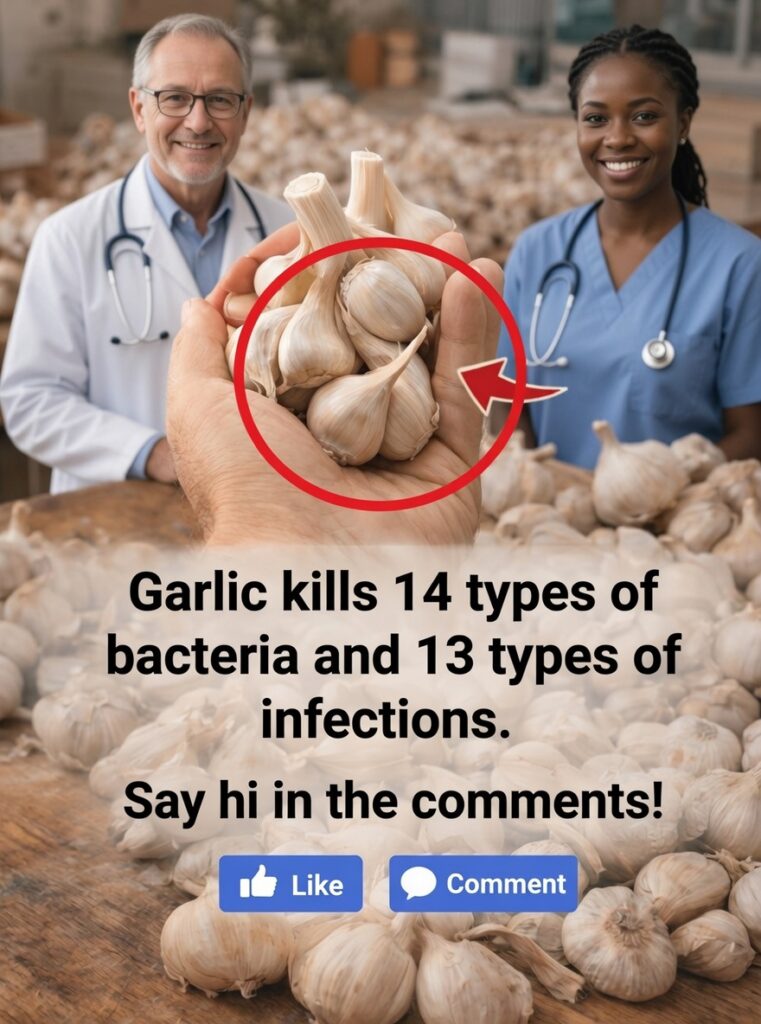
Eat Garlic for 7 Days and See How It Can Naturally Support Your Immunity
Many people deal with occasional sneezing, tiredness, or that “run-down” feeling when the seasons change or life gets intense. These everyday discomforts often lead us to look for simple, natural ways to feel stronger and more energized.
One of the easiest options may already be in your kitchen: garlic. Valued for generations and used in traditional wellness practices worldwide, garlic is often seen as a natural ally for overall health. However, one key detail is frequently overlooked: how you prepare garlic can directly affect its potential benefits.
Keep reading to learn what makes garlic special and how to use it in the smartest way.
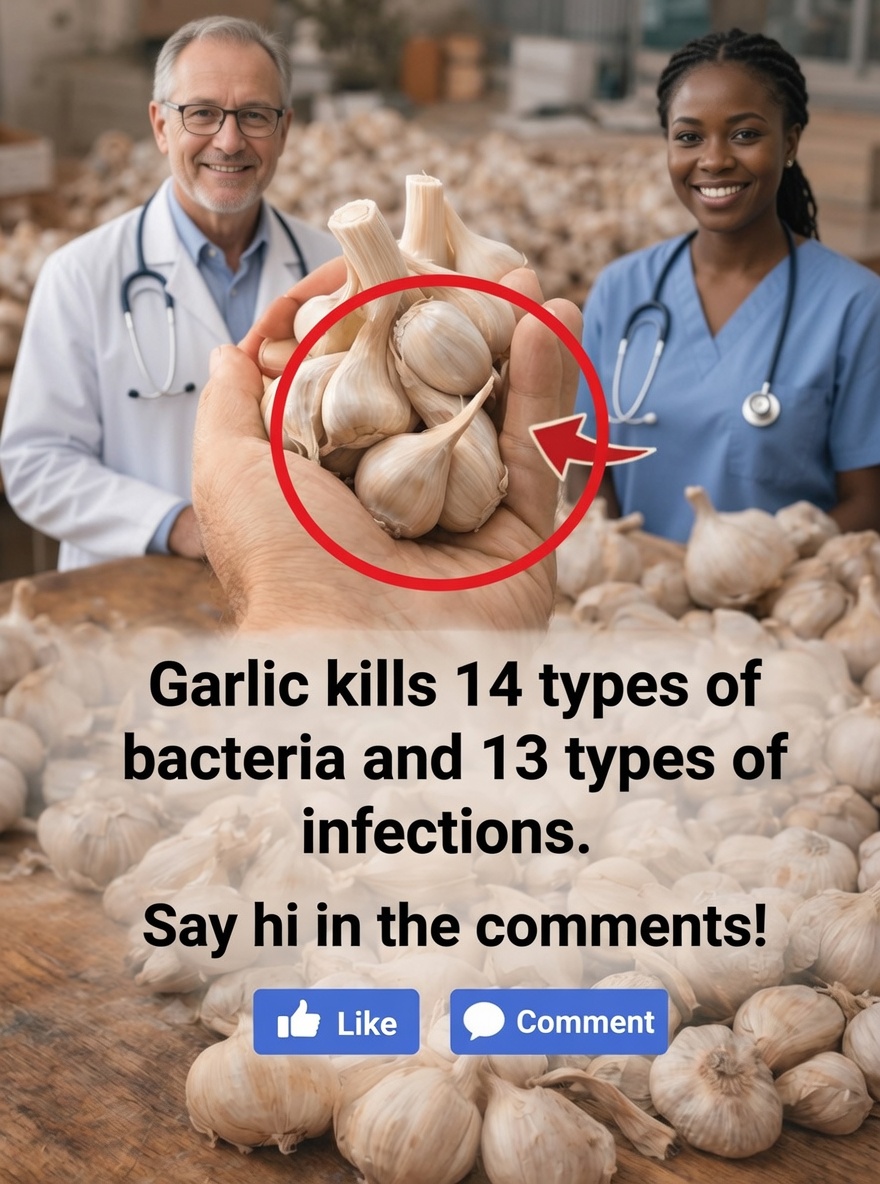
What Makes Garlic So Valuable for Well-Being?
Garlic (Allium sativum) contains unique sulfur-based compounds that become active when cloves are crushed or chopped. The most well-known of these is allicin, which forms when alliin is converted through an enzymatic reaction.
Laboratory research has explored how allicin interacts with various microorganisms, showing activity against different types of bacteria in controlled settings.
Studies suggest allicin may disrupt certain bacterial enzymes and interfere with important metabolic processes. This helps explain why garlic has been so highly regarded in traditional health approaches around the world. Still, it’s essential to remember: many of these findings come primarily from lab studies and do not replace medical treatment.
Garlic also contains other compounds—such as diallyl disulfide and ajoene—that contribute to its overall wellness profile. Many people include garlic regularly to help support vitality and resilience.
What Does Science Say About Garlic?
A range of studies has tested garlic extracts against bacteria such as Staphylococcus aureus and Escherichia coli. In lab conditions, allicin appears to work by affecting bacterial cell integrity and blocking critical enzymes.
Key takeaways include:
- May act against different types of bacteria in laboratory research
- Shows potential, but results can vary in humans
- More stable compounds found in aged garlic extracts are still being studied
These findings are encouraging, but garlic is best viewed as one part of a healthy lifestyle, not a single “solution” for health concerns.
How Garlic May Support the Immune System
Beyond its possible antimicrobial activity, garlic has also been researched for immune support. Studies involving aged garlic extract suggest it may help enhance immune function, including supporting the activity of natural killer (NK) cells, and may reduce the severity of common colds in some people.
Another important benefit relates to garlic’s antioxidant activity, which may help the body manage everyday oxidative stress. These effects tend to be most meaningful when garlic is consumed consistently in small amounts over time.
How to Add Garlic to Your Daily Routine
If you want to get the most out of garlic, these simple habits can help:
- Activate the beneficial compounds: crush or chop 1–2 cloves, then let them rest for 10–15 minutes before eating
- Use it daily: add to salads, dressings, soups, or spreads
- Try roasted garlic: it becomes milder and slightly sweet
- Pair with healthy fats: olive oil or avocado can support absorption
- Start slowly: try ½ clove per day if you’re not used to it
Tip: Heat can reduce allicin, so combining raw and cooked garlic is a practical strategy.
Common Ways to Consume Garlic
Different forms offer different advantages:
- Fresh garlic: strongest flavor and the highest potential allicin content
- Aged garlic extract: typically gentler, with more stable compounds
- Oils and capsules: convenient, but quality and potency vary widely
- Black garlic: fermented, sweet-tasting, and rich in antioxidants
Important Precautions
Garlic is generally safe as a food, but in some people it can cause:
- Digestive discomfort
- Strong breath or body odor
It may also interact with blood-thinning medications (anticoagulants).
For topical use, be cautious: raw garlic can irritate the skin. Always dilute and patch-test first.
Conclusion
Garlic is a simple, affordable ingredient with real potential to support health in a natural way. When used regularly as part of your diet, it may contribute to wellness benefits over time. The goal isn’t perfection—it’s consistency.
Why not start today? Small daily habits can lead to meaningful results.
FAQ
-
How much garlic should I eat per day?
In general, 1–2 cloves per day is often enough. Start with less if needed. -
Does cooking garlic remove the benefits?
Cooking can reduce allicin, but other beneficial compounds remain. The best approach is often a mix of raw and cooked garlic. -
Can garlic replace medication?
No. Garlic can be a supportive dietary choice, but it does not replace medical treatment.
Disclaimer: This content is for informational purposes only and does not replace professional medical advice. Speak with a healthcare professional before making dietary changes, especially if you are pregnant, breastfeeding, or taking medication.