Blurry Vision and Irritated Eyes? This Natural Herb May Help Soothe and Support Eye Comfort
Do your eyes feel heavy after hours of screen time? Are you noticing blurred vision, burning, or more difficulty seeing at night than before? What if a simple plant—often dismissed as a weed—could offer gentle, natural support for everyday eye discomfort? Stay with it until the end: what you learn may change how you think about caring for your vision.
What Is Euphorbia hirta?
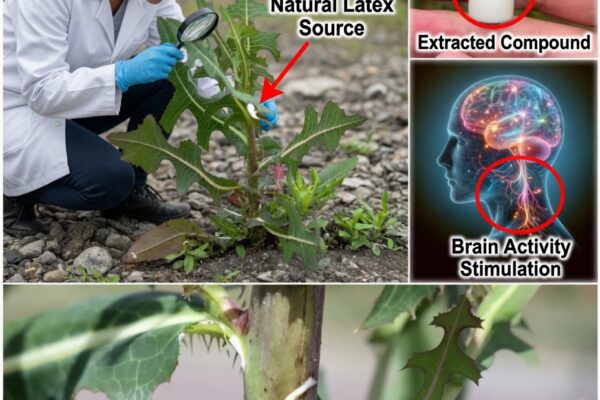
Euphorbia hirta is a tropical plant with small leaves and a milky white sap (latex) that appears when the stem is broken. It’s widely known as “asthma weed” or tawa-tawa, and it has been used for generations in traditional medicine for respiratory complaints, digestive issues, and even skin and eye-related care.
Important safety note: the plant’s latex can irritate tissues, so it should never be applied directly to the eyes.
Traditional Eye Uses Around the World
In parts of Asia, Africa, and Latin America, Euphorbia hirta has been used in folk practices to ease mild, external eye discomfort.
Common traditional approaches include:
- Warm leaf compresses (external use only)
- Highly diluted preparations applied to the eyelids (not inside the eye)
- Natural compresses aimed at calming redness and irritation
These methods come from tradition and personal experience—they are not a replacement for medical care.
What Does Science Say?
Laboratory research has found that Euphorbia hirta contains antioxidant compounds such as flavonoids and tannins. In animal studies, these antioxidants have been linked to a possible slowing of cataract development by helping reduce oxidative stress.
That said, it’s essential to be clear: there are not yet strong, high-quality clinical studies in humans proving that this plant directly improves eyesight or treats eye diseases.
6 Possible Eye-Related Benefits (With Realistic Expectations)
1) Relief from tired, strained eyes
Warm compresses may help relax the eye area after long periods on computers and phones.
2) Antioxidant support
Antioxidants help neutralize free radicals that can contribute to age-related eye stress.
3) Mild anti-inflammatory potential
Traditionally used externally to help calm minor irritation around the eyes.
4) Traditional support for mild irritation
In folk medicine, it has been mentioned for issues like styes or conjunctivitis—but caution is essential, and medical advice matters.
5) Whole-body wellness connection
Supporting overall health (sleep, hydration, nutrition) often reflects in better eye comfort.
6) A natural complement to healthy habits
It may fit into a broader routine that includes nutrient-rich foods and screen-time breaks.
How to Use Euphorbia hirta Safely
If you are considering this herb for eye comfort, prioritize safety:
- Speak with a doctor or qualified herbal professional before using it
- Never place the plant’s latex/sap in or near the eyes
- Use external compresses only, made from thoroughly cleaned leaves
- Do a patch test first to check for sensitivity
- Stop immediately if you notice burning, itching, swelling, or worsening redness
Avoid use if you have an allergy to the Euphorbia family. If you are pregnant, only use it with professional guidance.
Practical Steps You Can Start Today
Alongside professional advice, these simple habits can support eye health:
- Consider a mild herbal tea only if a professional approves it
- Apply a warm compress over closed eyelids for about 10 minutes
- Follow the 20-20-20 rule (every 20 minutes, look 20 feet away for 20 seconds)
- Add eye-friendly foods like carrots, spinach, and berries
- Stay well hydrated throughout the day
Conclusion
Ignoring eye discomfort can slowly impact your daily life and productivity. Exploring natural options responsibly may offer gentle relief and added well-being. Euphorbia hirta isn’t a miracle cure—but when used carefully and appropriately, it may serve as a supportive addition to an eye-friendly routine. Start with small, consistent habits and treat your vision with the attention it deserves.
Warning
This article is for informational purposes only and does not replace medical advice. Always consult a healthcare professional before using any medicinal plant, especially for eye-related concerns.