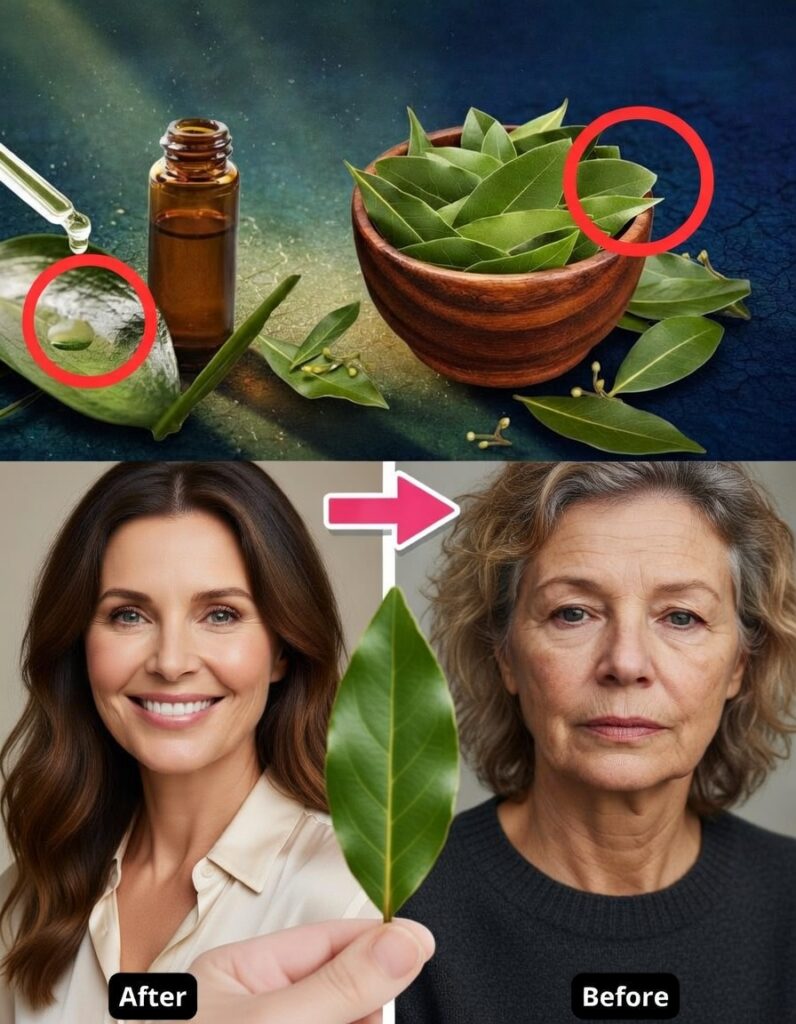
Have You Noticed Those Fine Lines Around Your Eyes or Neck?
You look in the mirror and suddenly see fine lines at the corners of your eyes or a neck that no longer looks as smooth as it used to.
Now imagine gliding your fingers over your skin and feeling it softer, more moisturized, with that natural glow you remember from years ago.
The fresh, slightly spicy scent of bay leaves—the same ones you add to soups and stews—may hide an interesting potential for skincare. In many homes, grandmothers already used bay leaf infusions or compresses for their traditional soothing properties.
What if this everyday kitchen ingredient could gently support mature skin? Keep reading; you may never look at your spice cupboard the same way again.
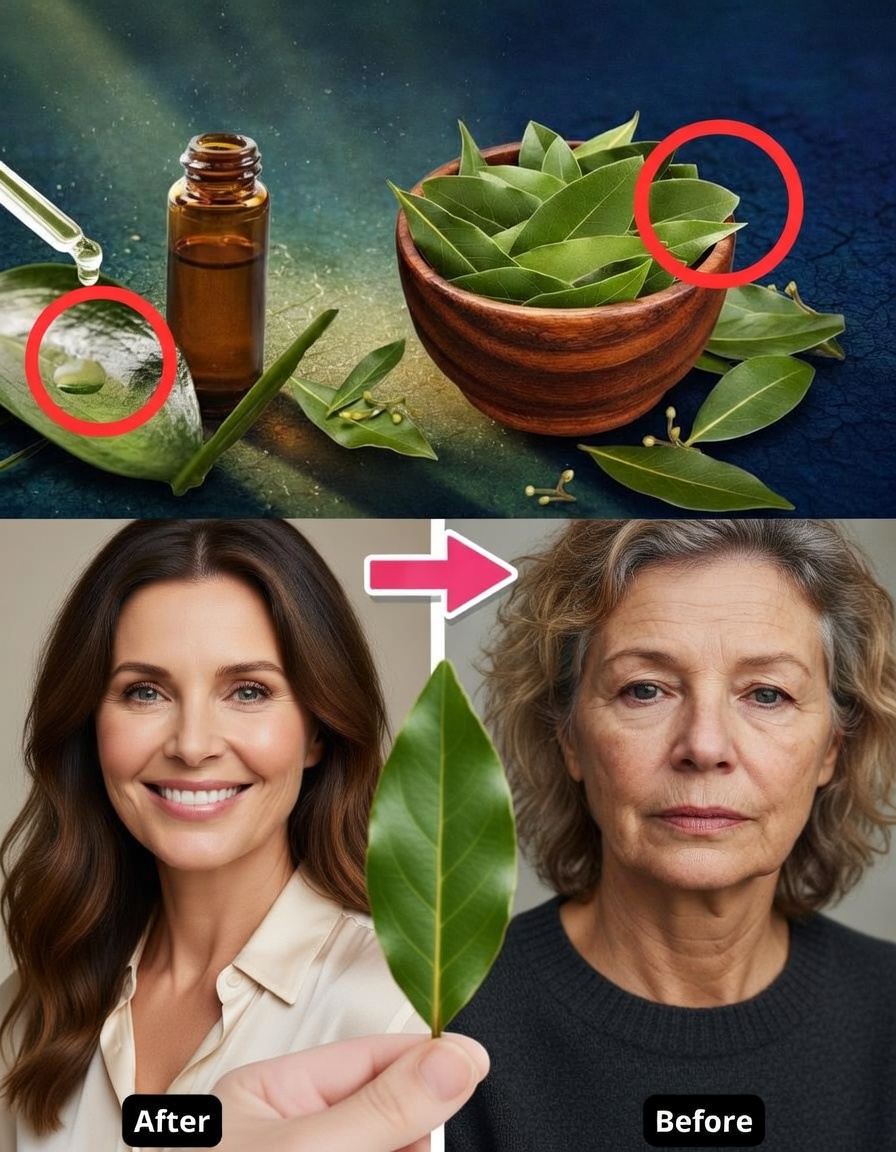
The Challenge That Comes With Time (And It’s Not “Just Age”)
After the age of 50, your skin naturally begins to change.
It produces less collagen and elastin, holds less moisture, and becomes more vulnerable to stress, sun exposure, and pollution.
The result:
- Wrinkles and fine lines become more visible
- Skin feels less firm and plump
- Dark spots and uneven pigmentation may appear
You might find yourself avoiding close-up photos or thinking your face looks tired even after a full night’s sleep.
Many women feel frustrated and turn to expensive creams or invasive treatments. In the process, simple and affordable options are often overlooked.
The encouraging news: some natural ingredients rich in antioxidants may help support the skin—both from the outside and, when appropriate, from the inside.
Why Are Bay Leaves Getting So Much Attention?
Bay leaf (Laurus nobilis) contains several bioactive compounds such as eugenol, linalool, cineole, and various flavonoids. Early research suggests these components have antioxidant and anti-inflammatory properties.
These substances may help protect skin cells from oxidative stress—one of the key mechanisms involved in skin aging.
Some preliminary studies indicate that bay leaf extracts show antioxidant activity and may help calm mild skin irritation.
It’s not a miracle cure, but it does lend some support to traditional uses of bay leaf in natural skincare.
8 Potential Benefits of Bay Leaf for Mature Skin
Picture a simple ritual: crushing fresh bay leaves, inhaling their herbal aroma, and applying a warm infusion that soothes and nourishes your skin.
Here are some potential benefits often associated with bay leaf in traditional skincare routines:
1. Antioxidant Support
Flavonoids and phenolic compounds in bay leaf may help neutralize free radicals generated by UV rays, pollution, and daily stress, which can contribute to premature aging.
2. Gentle Hydration
Some components may help the skin better retain moisture, reducing the feeling of dryness and tightness—common in mature skin.
3. Calming Mild Irritation
Thanks to its potential anti-inflammatory effects, bay leaf may help soothe minor redness and contribute to a more even-looking complexion.
4. Supporting the Skin Barrier
The essential oils naturally present in bay leaf could help support the skin’s protective barrier, which is crucial for maintaining softness and resilience.
5. Boosting Local Micro-Circulation
When used topically in massage or compresses, bay leaf preparations may stimulate local blood flow, bringing more nutrients and oxygen to the skin’s surface.
6. Gradual Appearance of Fewer Dark Spots
Antioxidant activity may help support a more balanced melanin production, which can, over time, improve the appearance of dark spots and uneven tone.
7. A Feeling of Firmness
With consistent use, the skin may appear more toned and supple, giving the impression of improved firmness.
8. A Personal Self-Care Ritual
Using a simple, natural ingredient can transform your skincare routine into a mindful moment of well-being and connection with yourself.
Elena’s Story, 68
Elena noticed that the skin on her neck looked looser and her wrinkles were more pronounced. She started applying warm bay leaf compresses twice a week.
After about a month, she felt her skin was softer and more hydrated. She now says she feels more comfortable and confident when she goes out.
Carmen’s Story, 72
Carmen struggled with sun spots and very dry skin. She began using a bay leaf–infused oil every evening.
Over time, she noticed better hydration and a more even-looking complexion.
These stories illustrate how regular, consistent care can lead to subtle but visible changes.
How to Make Simple Bay Leaf Skincare at Home
This traditional method is easy to follow and uses ingredients you probably already have in your kitchen.
What You’ll Need
- Fresh or dried bay leaves
- Extra virgin olive oil
- Water (for infusions and compresses)
How to Prepare Bay Leaf Oil
This oil can be used in small amounts as a nighttime facial treatment or on areas of concern such as the neck and décolleté.
- Lightly crush 10–15 bay leaves to release their aroma.
- Place them in a clean glass jar and cover with about 100 ml of extra virgin olive oil.
- Store the jar in a dark place for 48 hours, shaking gently once a day.
- Strain the oil and transfer it to a dark glass bottle.
To use, apply a few drops in the evening and massage gently upward on clean skin.
How to Prepare a Bay Leaf Infusion (Toner or Compress)
- Bring two cups of water to a boil.
- Add 3 bay leaves and simmer for about 10 minutes.
- Let the infusion cool to room temperature.
- Strain and use the liquid as:
- A facial toner applied with a cotton pad, or
- A warm compress on specific areas (eyes contour, neck, etc.)
Always apply to clean skin and avoid the eye area directly.
Safe Use and Precautions
Even natural ingredients can cause reactions, especially on sensitive skin. Pay attention to how your skin responds and proceed carefully.
Key Components and Their Potential Actions
| Component | Possible Action | Note |
|---|---|---|
| Eugenol | Antioxidant, soothing properties | Characteristic spicy aroma |
| Linalool & Cineole | Calming and hydrating effect | May improve skin texture |
| Flavonoids | Help protect against oxidative stress | Overall support for skin |
| Phenolic compounds | May support skin firmness over time | Effects tend to be gradual |
Usage Guidelines and Warnings
| Situation | Recommendation | Precaution |
|---|---|---|
| First-time use | Patch test on forearm for 24 hours | Stop immediately if redness or itching occurs |
| Topical application | 3–4 drops of infused oil in the evening | Do not apply near or in the eyes |
| Drinking as an infusion | Limit to 1 cup per day | Consult a doctor beforehand |
| Pregnancy / breastfeeding | Avoid internal and external use | Safety has not been clearly established |
| Taking medications | Seek medical advice | Potential interaction with treatments |
Frequently Asked Questions
Can bay leaf irritate the skin?
Yes, it can, especially in people with sensitive or reactive skin. That’s why a patch test on a small area (such as the inner forearm) is strongly recommended before using it on the face or neck.
How fast will I see results?
Results vary widely from person to person. Skin type, lifestyle, and consistency all play a role. Gentle, natural care usually brings gradual changes rather than instant transformations.
Is bay leaf better than expensive creams?
Bay leaf is not necessarily “better”; it’s a natural, low-cost option that can complement your existing routine. It does not replace dermatological treatments or well-formulated skincare products, but it can be an interesting addition for those who enjoy natural remedies.
Final Thoughts
Bay leaf may offer gentle, natural support for mature skin thanks to its antioxidant and soothing properties. While it is not a replacement for professional dermatological care, it can be integrated into a simple, nature-inspired routine.
For healthy, radiant skin over time, consistency is key, along with a holistic approach that includes:
- Adequate hydration
- A balanced, nutrient-rich diet
- Daily sun protection
- Gentle, regular skincare
Important: This article is for informational purposes only and does not substitute medical advice. Always consult your doctor or dermatologist before trying home remedies, especially if you have a skin condition, allergies, are pregnant or breastfeeding, or are taking medication.