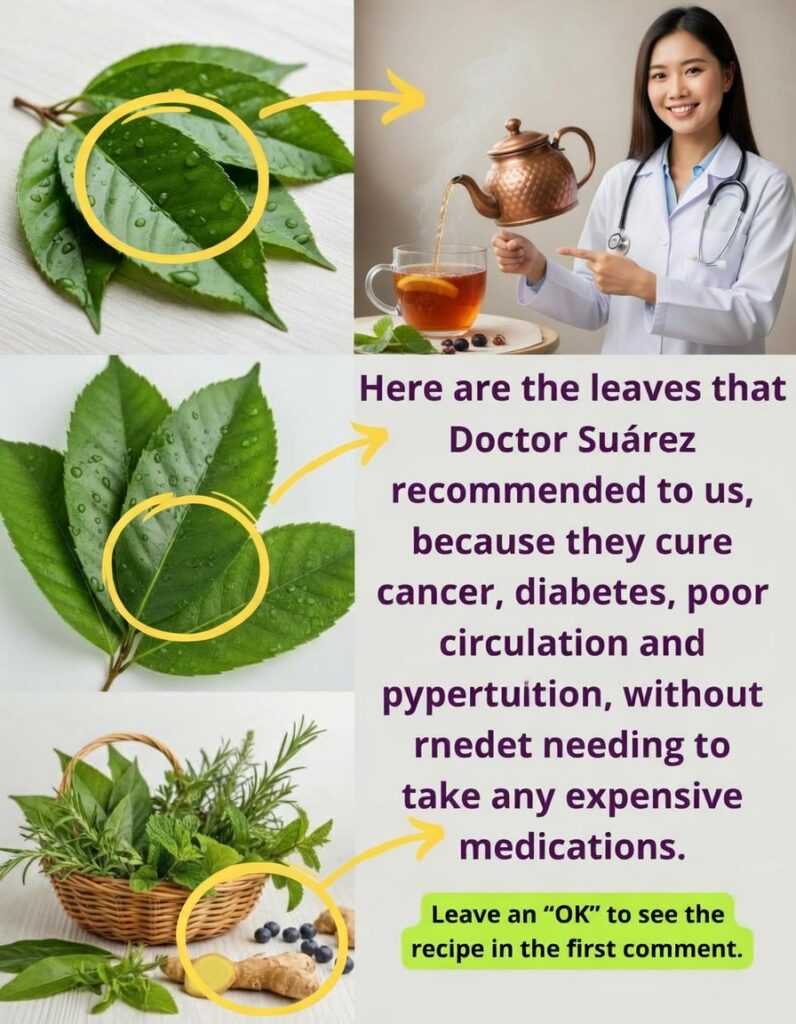
Soursop Leaves (Graviola) in Natural Medicine
In natural and herbal medicine, many people turn to alternative remedies to support the management of chronic conditions such as diabetes, high blood pressure, cancer, and circulatory disorders.
One of the plant-based ingredients often highlighted by herbal practitioners is the soursop leaf (Annona muricata), also called graviola or soursop.
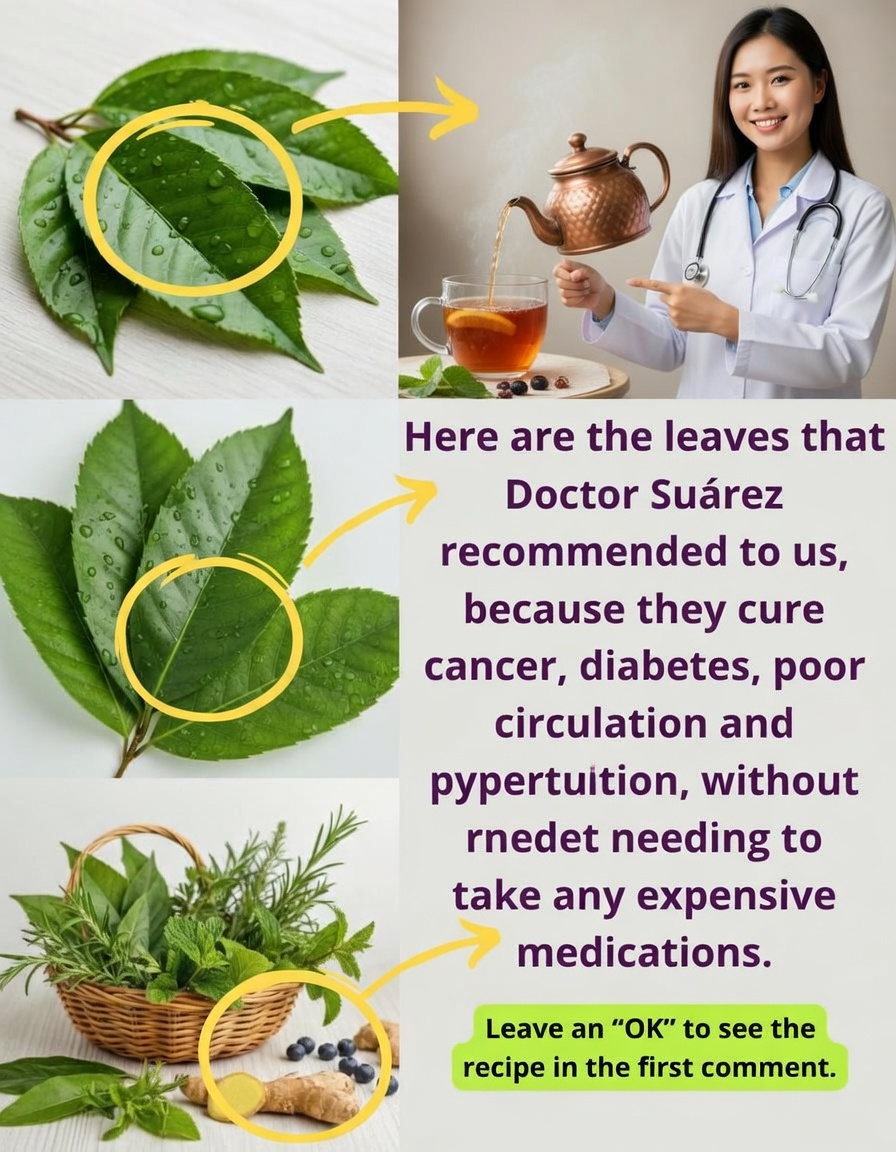
These leaves have been used for centuries in traditional medicine for their antioxidant and anti-inflammatory properties. However, scientific evidence in humans is still limited, and soursop leaves must never replace prescribed medical treatment.
Potential Health Benefits of Soursop Leaves
Soursop leaves contain various plant compounds that may support overall health. Based mainly on traditional use and early research, their potential benefits include:
-
Support for blood sugar balance
Preliminary studies suggest that soursop leaves may help support healthy blood sugar regulation. -
Cardiovascular support
They may help promote relaxation of blood vessels, which is traditionally associated with better circulation. -
Antioxidant action
Rich in antioxidant compounds, soursop leaves may help the body combat oxidative stress. -
Digestive support
Traditionally used to soothe the digestive system and support healthy digestion. -
Mild calming effect
Some people report a gentle relaxing or soothing effect after drinking soursop leaf tea.
Important:
These effects come primarily from traditional use and limited preliminary research. Soursop leaves should not be used as the sole treatment for serious illnesses.
Soursop Leaf Tea Recipes
Below are a few traditional ways to prepare soursop leaf tea. Always seek medical advice before using these preparations, especially if you have a chronic condition or take medication.
1. Traditional Soursop Leaf Infusion
Ingredients:
- 5 to 7 fresh soursop (graviola) leaves
- 1 liter of water
Preparation:
- Rinse the leaves thoroughly and tear them gently to release the active compounds.
- Place the leaves in 1 liter of water and bring to a boil.
- Boil for about 15 minutes.
- Allow the infusion to cool slightly, then strain.
- Drink in moderation.
Suggested use:
Up to 1 cup, 1–2 times per day, and only after medical approval if you have a chronic disease (such as diabetes, hypertension, or heart conditions).
2. Ginger Soursop Tea
This recipe combines soursop leaves with ginger, a root commonly used to support digestion and circulation in traditional practices.
Ingredients:
- 5 to 8 fresh soursop leaves
- 2 to 3 slices of fresh ginger
- 1.5 liters of water
Preparation:
- Rinse the soursop leaves and ginger slices.
- Add both to 1.5 liters of water and bring to a boil.
- Let it boil for 15–20 minutes.
- Strain and drink warm.
This combination is traditionally consumed to support digestive comfort and healthy circulation.
3. Antioxidant Soursop Drink
Ingredients:
- 5 to 7 fresh soursop leaves
- 1 teaspoon of pure honey (optional)
- 1 liter of water
Preparation:
- Boil the soursop leaves in 1 liter of water for about 15 minutes.
- Strain the liquid and allow it to cool until lukewarm.
- Add a small amount of honey if you like a slightly sweet taste.
For extra flavor, some people also add lemon slices and a bit of lemongrass to create a refreshing, lightly flavored herbal water.
Important Precautions
Before using soursop leaves regularly, keep the following safety points in mind:
-
Avoid excessive or long-term use
Some studies suggest that high and prolonged consumption of soursop may be associated with potential neurotoxic effects. Moderation is essential. -
Not recommended during pregnancy or breastfeeding
Due to a lack of safety data, soursop leaves are generally discouraged for pregnant or breastfeeding women. -
Caution with low blood pressure and medications
People with low blood pressure or those taking medication (for diabetes, hypertension, depression, or other conditions) should consult a doctor before using soursop leaf tea. -
Do not stop prescribed treatments
Soursop leaf preparations must never replace conventional medical treatment or medication prescribed by a healthcare professional.
Conclusion
Soursop leaf tea is a traditional herbal remedy valued in many cultures for its potential antioxidant, digestive, and circulatory support properties. When used carefully, it may be incorporated into a healthy lifestyle that also includes a balanced diet and regular physical activity.
However, it is not a medical cure for diabetes, cancer, hypertension, or any other chronic disease. Medical advice is essential before using soursop leaves for therapeutic purposes.
Important notice:
This article is for informational purposes only and does not substitute professional medical advice, diagnosis, or treatment. If you have persistent symptoms or a diagnosed illness, consult a qualified healthcare provider.