Cloves to Eliminate Nail and Skin Fungus: Powerful Home Remedies
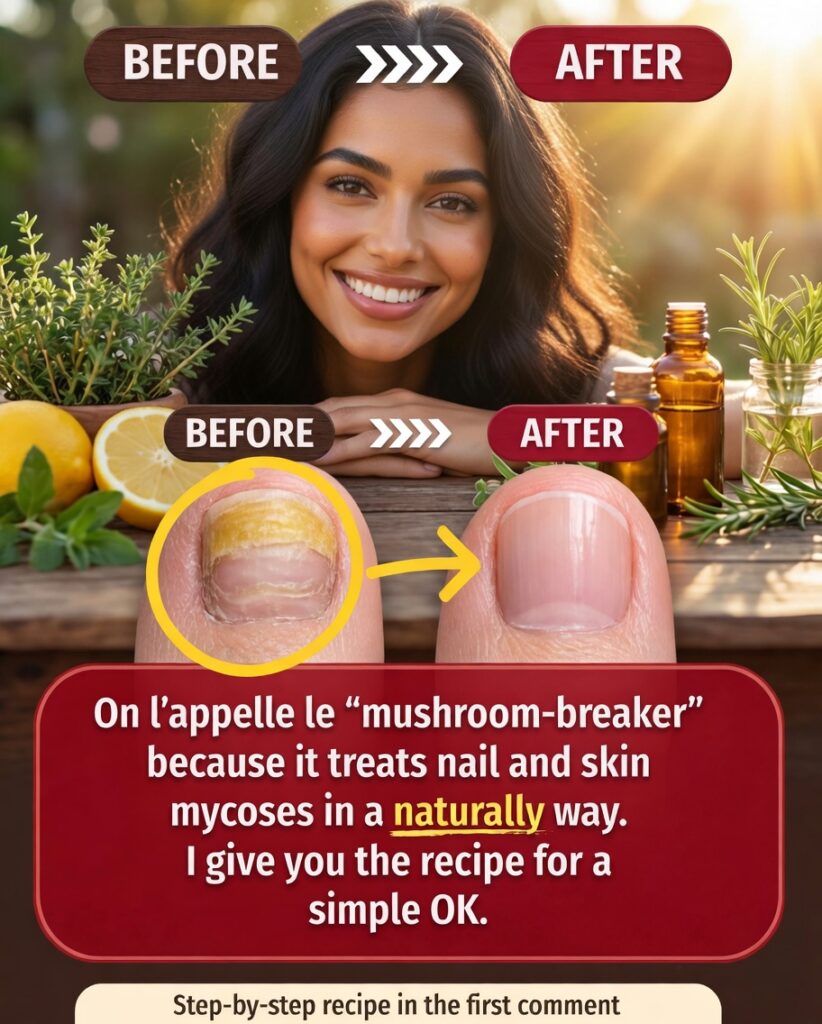
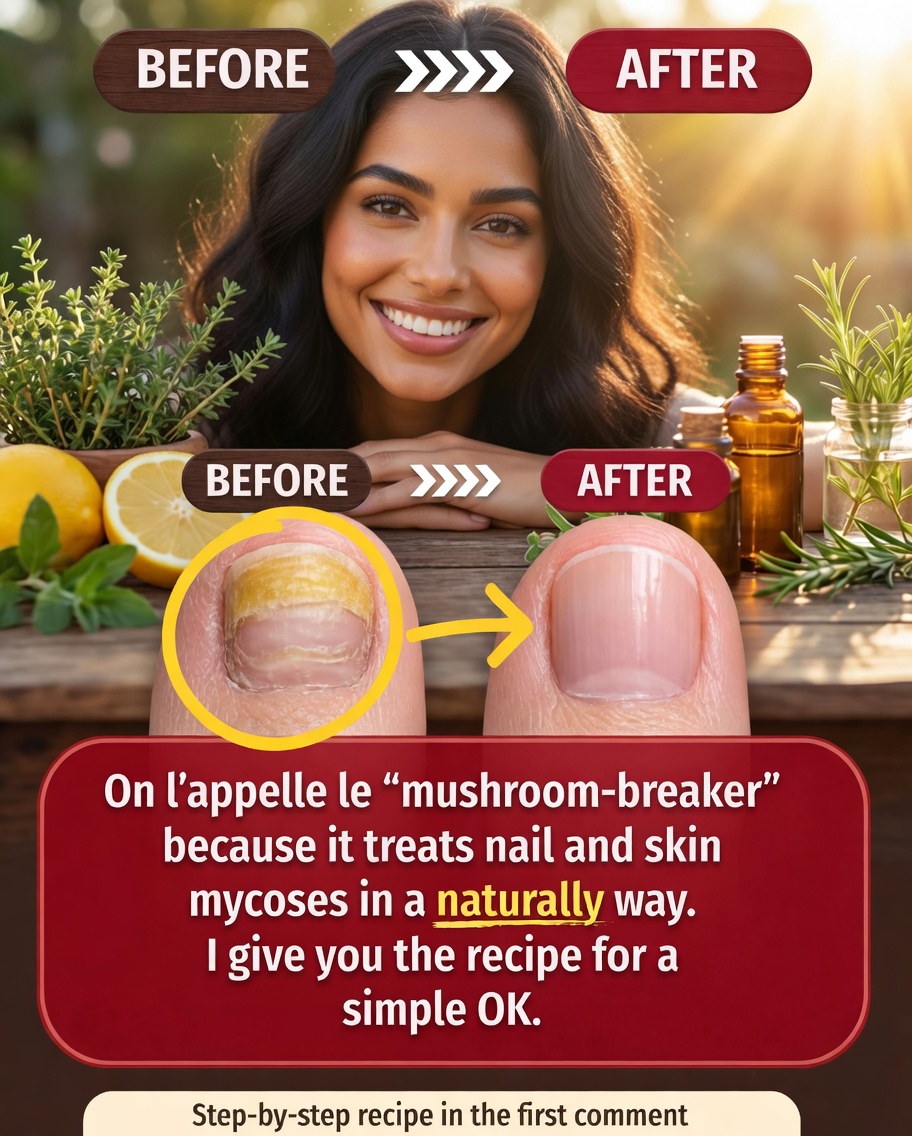
Nail and skin fungus (mycosis) is a common condition that affects millions of people worldwide. It can be uncomfortable, unsightly, and sometimes painful. In addition to causing discoloration and thickening of the nails, fungal infections may lead to bad odor and fragility of the nail plate.
While there are many pharmaceutical treatments available, a growing number of people prefer safe, natural alternatives to support their skin and nail health.
Among the most effective natural options are cloves (clove buds). Thanks to their strong antifungal, antibacterial, and healing properties, cloves can help fight persistent fungal infections, especially when combined with other natural ingredients such as coconut oil, garlic, olive oil, or apple cider vinegar.
In the guide below, you’ll find step‑by‑step recipes, how to use them correctly, the main benefits, and important precautions, all inspired by traditional remedies that have stood the test of time.
Recipe 1: Clove and Coconut Oil Ointment
This simple preparation is ideal for direct application on affected nails or skin.
Ingredients
- 10 whole cloves
- 3 tablespoons virgin coconut oil
Preparation
- Crush the cloves with a mortar and pestle or grinder until you obtain a fine powder.
- Warm the coconut oil gently until it becomes liquid (do not overheat).
- Mix the clove powder thoroughly into the warm coconut oil.
- Transfer the mixture into a clean, airtight glass jar and store it in a cool, dry place.
How to Use
- Apply a small amount of the mixture directly to the affected nails or skin twice a day (morning and evening).
- For better absorption, cover the area with sterile gauze after application.
- Wash and dry the area carefully before each new application.
Recommended duration: At least 4 weeks of daily use.
Recipe 2: Garlic and Clove Foot (or Hand) Soak
This foot bath combines the antifungal properties of garlic and cloves for a deeper, soaking treatment.
Ingredients
- 5 cloves of garlic, crushed
- 1 tablespoon whole cloves
- 1 liter of water
Preparation
- Bring the water to a boil in a saucepan.
- Add the whole cloves and simmer for about 10 minutes.
- Remove from heat, then add the crushed garlic.
- Let the mixture steep for 15 minutes.
- Strain the infusion to remove the solids.
How to Use
- Pour the warm infusion into a basin.
- Soak your feet (or hands) in the liquid for about 20 minutes.
- Dry thoroughly, especially between the toes, after each soak.
Recommended duration: 5 times per week for 1 month.
Recipe 3: Apple Cider Vinegar and Clove Lotion
Apple cider vinegar helps create an acidic environment that inhibits fungus, while cloves reinforce the antifungal action.
Ingredients
- ½ cup apple cider vinegar
- 1 tablespoon ground cloves
Preparation
- Combine the apple cider vinegar and ground cloves in a glass jar.
- Mix well to disperse the powder evenly.
- Close the jar and let the mixture sit for 24 hours at room temperature.
How to Use
- Shake the jar before each use.
- Soak a cotton pad in the mixture.
- Dab directly onto the infected nails or skin twice a day.
- Allow to air‑dry; do not rinse immediately.
Recommended duration: At least 3 weeks, or until the nail regains a healthy, natural color.
Recipe 4: Olive Oil and Clove Paste
This preparation is especially useful for massaging the nails and surrounding skin.
Ingredients
- 2 tablespoons olive oil
- 1 tablespoon clove powder
Preparation
- Place the olive oil in a small bowl.
- Add the clove powder.
- Stir until you obtain a smooth, even paste.
How to Use
- Apply the paste to affected nails and gently massage for about 5 minutes.
- Leave it on for 30 minutes to allow the active compounds to penetrate.
- Rinse off with lukewarm water and dry thoroughly.
Recommended duration: Daily use for 4 to 6 weeks.
Key Benefits of Cloves Against Fungal Infections
Using clove-based remedies for nail and skin fungus may offer several advantages:
- Natural antifungal action that helps slow and stop the growth of fungi.
- Antibacterial properties that reduce the risk of secondary infections.
- Pain relief, easing discomfort and sensitivity in affected areas.
- Anti-inflammatory effect that helps reduce redness and swelling.
- Support for healing, promoting recovery of damaged skin.
- Helps restore natural nail color over time as the infection clears.
- Fights unpleasant odors often associated with fungal infections, especially on the feet.
Main Properties of Cloves
The effectiveness of clove remedies is largely due to eugenol and other active compounds found in clove buds.
| Property | Description |
|---|---|
| Antifungal | Inhibits the growth and spread of fungal organisms. |
| Antiseptic | Cleans and disinfects minor, superficial lesions. |
| Analgesic | Helps reduce pain and discomfort in the treated area. |
| Anti-inflammatory | Decreases swelling and irritation around the nails. |
| Regenerative | Supports the regeneration of skin and nail tissues. |
Precautions and Safety Tips
Although cloves and the other ingredients used in these recipes are natural, they must still be used with care:
- Do not apply on deep or serious open wounds.
- Stop use immediately if you notice irritation, burning, or redness.
- Avoid contact with the eyes and mucous membranes.
- Do not use these remedies on young children without medical advice.
- Always perform a patch test: apply a small amount on healthy skin and wait 24 hours to check for any allergic reaction before treating a larger area.
If you are pregnant, breastfeeding, or taking medication, consult a health professional before using concentrated clove preparations on a regular basis.
Conclusion
Nail and skin fungus can be managed and often improved with consistent care and good hygiene. Clove-based home remedies provide a natural, affordable, and accessible way to help combat fungal infections, especially when used regularly and combined with proper cleaning and drying of the affected areas.
For best results, be patient and consistent: fungal infections tend to be stubborn and may require several weeks of treatment. If, despite regular use of these remedies, the infection persists, spreads, or worsens, it is strongly recommended to consult a dermatologist or healthcare professional for a proper diagnosis and tailored treatment.