Sore Calves and Cold Feet? This Simple Method Can Help Support Healthy Circulation Naturally
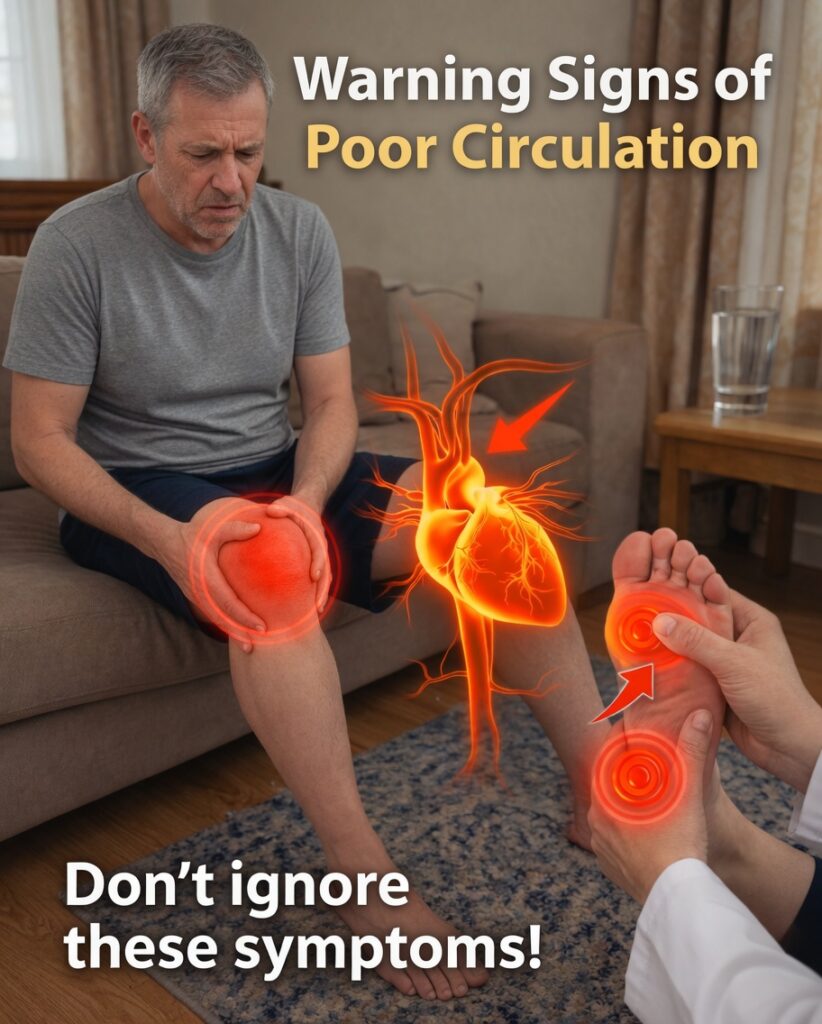
Waking up with that uncomfortable “pins and needles” feeling in your feet—or needing to rub your calves because they ache after a short walk—can be frustrating. These everyday issues may seem minor at first, but they’re often signals that something isn’t working as well as it should: your blood circulation.
The good news is that once you understand what may be happening and make a few practical routine changes, you can often notice a real improvement in comfort and overall well-being. Below, you’ll find the most common signs, likely causes, and simple steps you can start today.
Why These Symptoms Are More Common Than You Think
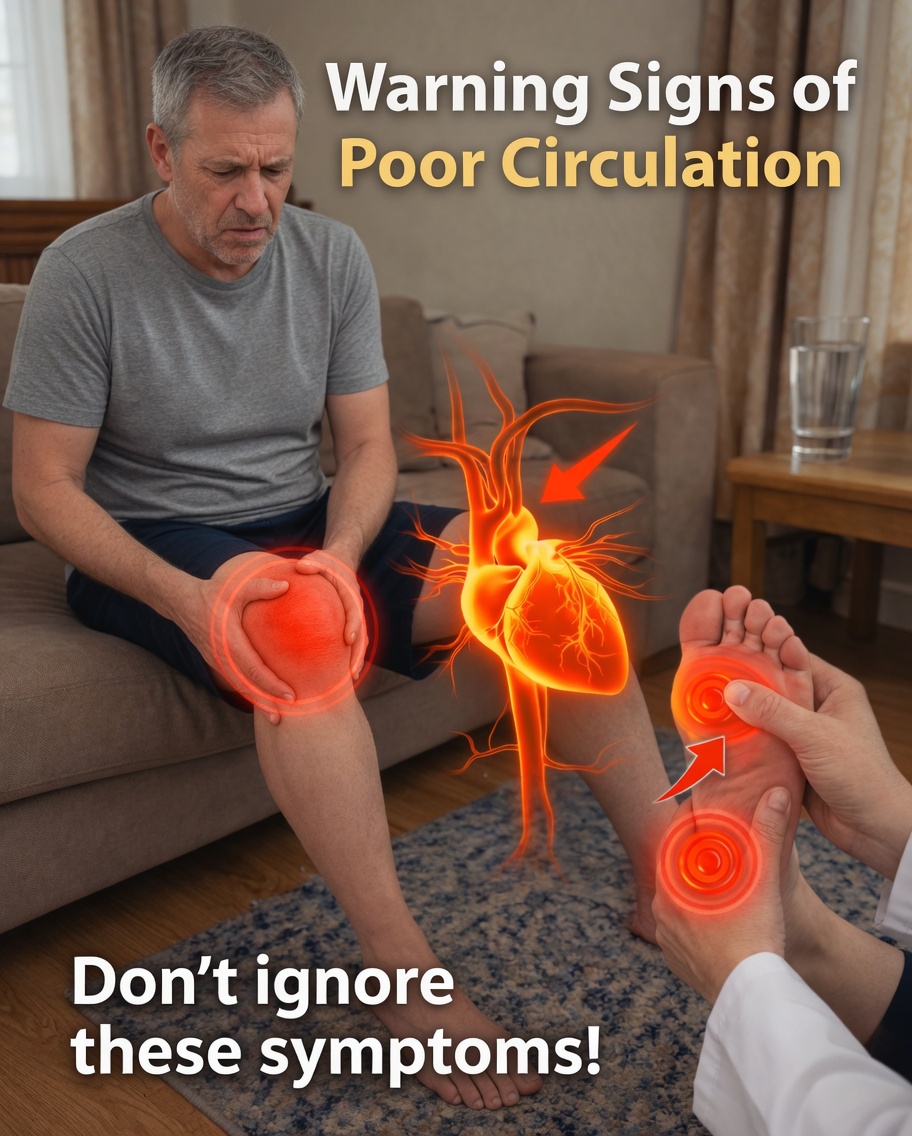
Over time, many people start experiencing tingling, cold feet, or heavy legs, especially if they spend long hours sitting or standing. Poor circulation happens when blood doesn’t move efficiently through the body—often affecting the lower legs and feet, where gravity makes it harder for blood to return upward.
When circulation slows down, tissues may receive less oxygen and fewer nutrients. This can contribute to ongoing coldness, numbness, or discomfort.
Lifestyle factors also play a big role. Low physical activity, an unbalanced diet, and chronic stress can all impact how well your circulatory system functions. The encouraging part: even small, consistent improvements can make a noticeable difference.
Common Signals Your Body May Be Sending
Paying attention early can help you take action sooner. Frequent symptoms include:
- Persistent tingling in the feet, especially while resting
- Cold toes even when the room is warm
- Heaviness or pain in the calves after minimal effort
- Paler-looking skin or a shiny appearance on the legs
- Slow healing of small cuts or scrapes
If several of these sound familiar, it may be time to prioritize habits that support healthier blood flow.
Daily Habits That Can Reduce Blood Flow
Certain routine behaviors can make circulation more difficult, particularly in the lower body:
- Sitting for many hours without breaks
- Crossing your legs often
- Wearing tight clothing or shoes that restrict blood flow
- Eating a diet high in processed foods and salt
- Doing little to no regular movement
The body generally responds quickly to healthier patterns—especially when they’re repeated daily.
What You Can Do Starting Today
You don’t need complicated solutions to begin supporting better circulation. Try these practical steps:
1) Move more often
Stand up every 30–60 minutes and walk for a couple of minutes. Even simple movements help, such as:
- ankle circles
- heel raises
- gentle calf stretches
2) Stay well hydrated
Drinking water throughout the day can help support smoother blood flow and overall circulation.
3) Elevate your legs
When resting, raise your legs slightly for 10–15 minutes to support venous return and reduce heaviness.
4) Choose comfortable clothing
Avoid tight socks, restrictive waistbands, or shoes that compress your feet and ankles.
5) Add light, consistent activity
Low-impact options are often ideal, such as:
- walking
- stretching routines
- yoga
- swimming
Foods and Natural Habits That May Help
Some foods are commonly included in circulation-supportive eating patterns:
- dark leafy greens
- beetroot
- citrus fruits
- berries
- nuts and seeds
Spices such as ginger, garlic, and cayenne pepper are also traditionally used to help stimulate warmth and circulation.
Simple ideas to try
- Start your morning with warm water and lemon
- Keep nuts or seeds as an easy snack
- Massage your feet at night while practicing slow, deep breathing
When You Should Seek Medical Advice
While many mild symptoms improve with lifestyle adjustments, ongoing, worsening, or intense discomfort should be assessed by a healthcare professional. This is important to rule out more serious issues and to ensure you receive the right care.
Frequently Asked Questions
Does tingling always mean poor circulation?
Not always. Tingling can also be linked to nerve irritation, posture, or vitamin deficiencies. However, circulation is a common factor worth considering.
How long does it take to feel better?
Many people notice changes within a few weeks of consistent habits, but the timeline varies based on overall health and routine.
Can it affect only one leg?
Yes. Posture, daily habits, or uneven movement patterns can cause one side to feel worse. Balanced movement and regular breaks can help.
Final Thoughts
You don’t have to accept discomfort as “normal.” Tingling, cold feet, and calf pain may be your body’s way of asking for more support.
With small, steady changes—more movement, better hydration, supportive foods, and smarter rest—you can improve comfort and help your circulation over time. Start gradually, stay consistent, and pay attention to how your body responds.
Disclaimer: This content is for informational purposes only and does not replace medical advice. Consult a qualified healthcare professional before making changes to your routine, especially if symptoms persist or worsen.