Baking Soda Can Help Remove Tooth Stains — But Misuse Can Trigger Sensitivity. Here’s the Key
Over time, many people notice their smile looks less bright due to everyday habits like drinking coffee or tea, or eating stain-causing foods. That clean, white, confident look can start to feel out of reach—so it’s no surprise that at-home whitening remedies become tempting. Before you reach for the baking soda in your kitchen, though, there are important facts you should know.
Here’s what many people don’t expect: a very common DIY “whitening” combination can actually work against the results you want. Keep reading to learn the most frequent mistakes, what research supports, and how to care for your teeth safely for a healthier-looking smile.
Why Baking Soda Is So Popular for Teeth Whitening
Baking soda (sodium bicarbonate) is widely used because it’s a mild abrasive. In simple terms, it can help buff away surface stains on teeth—similar to a gentle polish—when used properly. That’s also why some commercial toothpastes include baking soda as an ingredient.
The problem often starts when people try to “boost” the effect by mixing baking soda with other household items to chase faster results.
The Big Mistake Many People Make
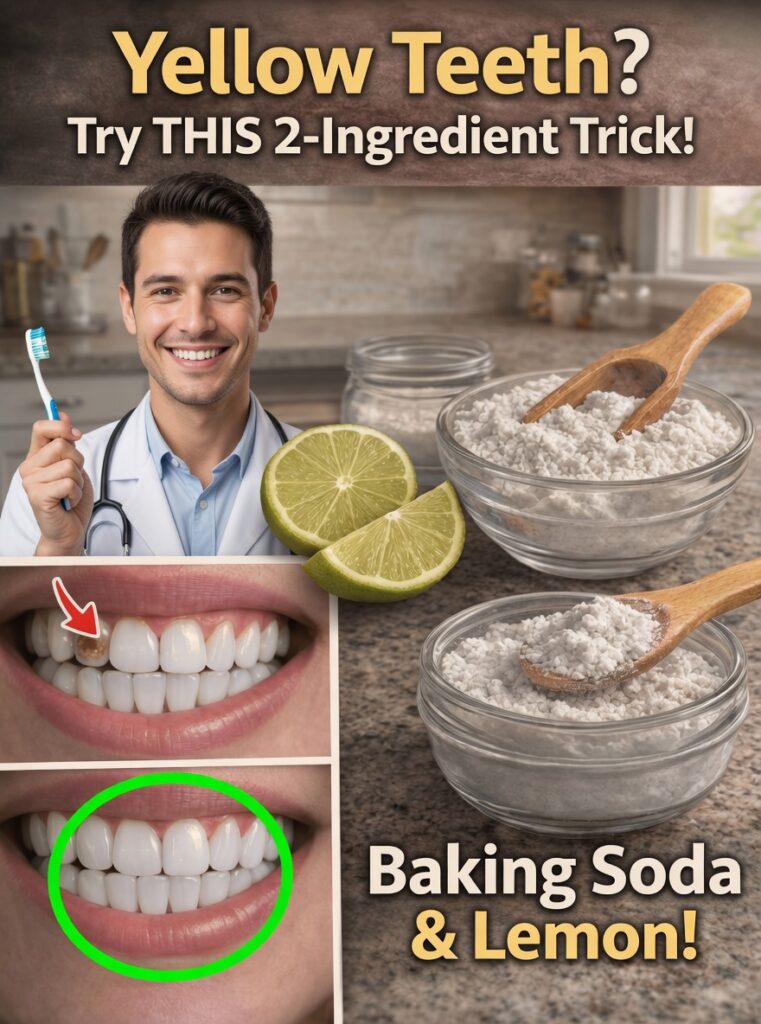
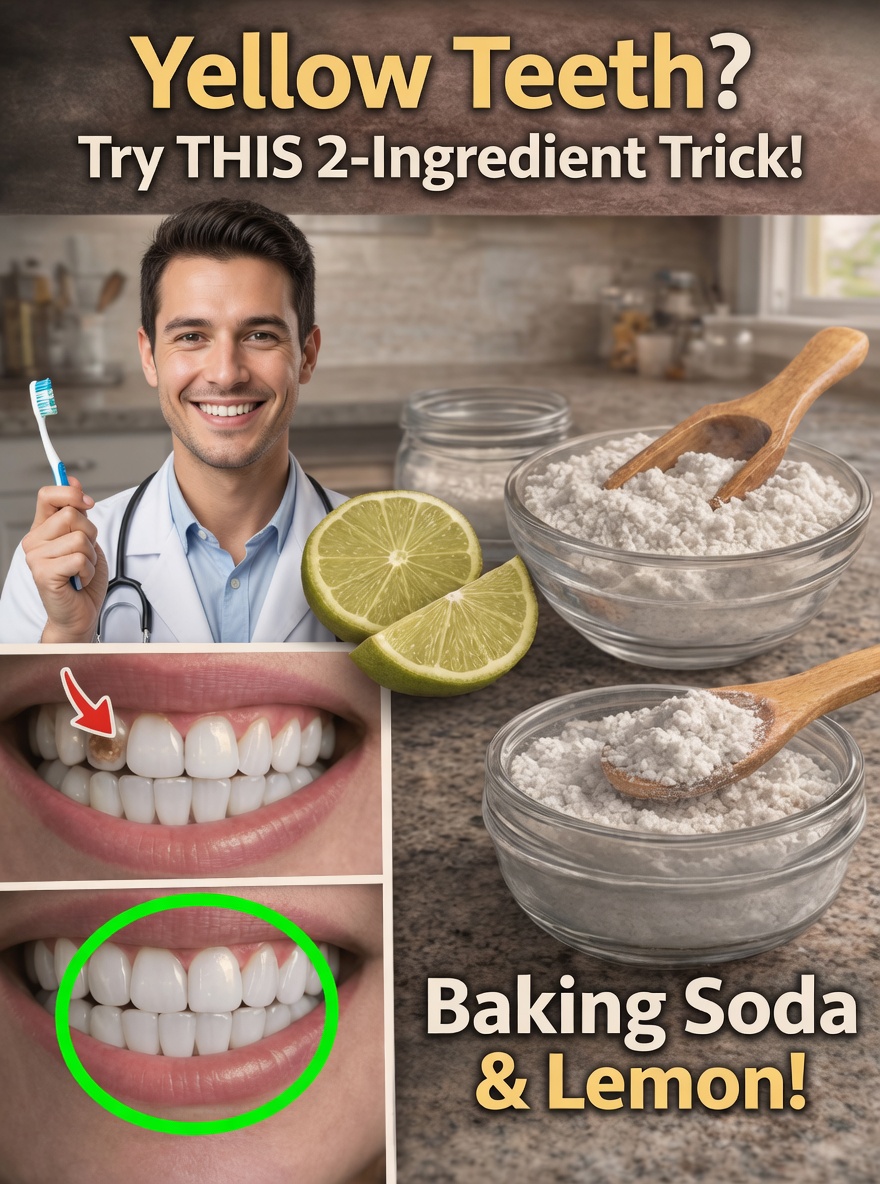
One of the most popular DIY mixes is baking soda + lemon juice. The fizzing reaction may look effective, but lemon is highly acidic. Acid can soften and weaken tooth enamel, which is the protective outer layer of your teeth.
When enamel is weakened and then scrubbed with an abrasive (even a mild one like baking soda), the risk increases. Over time, this can lead to:
- Enamel wear
- Tooth sensitivity (especially to cold or sweet foods)
- Teeth appearing more yellow, because the inner layer becomes more visible as enamel thins
Many people don’t notice the damage right away because the teeth may look slightly cleaner at first. But long-term, the harm can be significant.
What Science Says About Using Baking Soda on Teeth
Used alone and in moderation, baking soda can help remove external stains with relatively low risk for many people. However, there are key limitations:
- Baking soda does not contain fluoride, which is essential for strengthening enamel and protecting against acid damage.
- It does not change the internal color of teeth. It only helps reduce stains on the surface.
- Results are generally more limited than professional whitening or dentist-supervised options.
How to Use Baking Soda Safely (If You Choose to Use It)
If you still want to try baking soda for removing surface stains, follow these safer guidelines:
- Use it no more than 1–2 times per week
- Mix it only with water (avoid acidic ingredients)
- Brush gently, without heavy pressure
- Finish by brushing with a fluoride toothpaste
- Rinse thoroughly after use
Important: Everyone’s teeth are different. If you’re considering changes to your oral care routine, the safest step is to consult a dentist—especially if you already have sensitivity.
Better Habits for a Whiter, Healthier Smile
Instead of relying on one-off home remedies, focus on consistent daily habits that protect enamel and reduce staining over time:
- Brush twice a day with a fluoride toothpaste
- Floss daily
- Limit prolonged contact with staining drinks (coffee, tea, red wine)
- Rinse with water after meals and beverages
- Eat crunchy fruits and vegetables (they can help clean surfaces naturally)
- Schedule regular professional cleanings
These simple routines typically lead to safer, longer-lasting results.
Comparing Common Whitening Methods
Here’s how popular options stack up:
- Baking soda alone: mild abrasive; occasional use only
- Baking soda + lemon: high enamel risk due to acid + abrasion
- Whitening toothpastes: generally tested and formulated for safety
- Professional treatments: usually most effective with controlled, dentist-guided results
The main difference is safety and predictability, not just speed.
Practical Tips You Can Start Today
Small changes can make a big impact over time:
- Check that your toothpaste includes fluoride
- Use a straw for dark beverages when possible
- Drink water during meals to reduce staining
- Book a dental cleaning if you’re overdue
Frequently Asked Questions (FAQ)
Can I use baking soda on my teeth every day?
Not recommended. Frequent use can contribute to enamel wear.
Can I mix baking soda with other ingredients?
Avoid combining it with acidic substances like lemon or vinegar.
What if my teeth are already sensitive?
See a dentist. Sensitivity may be a sign of enamel thinning or other issues.
How long does it take to see results?
It depends on your habits and stain level. Consistent, enamel-friendly care usually produces better results.
Final Thoughts
Before trying any DIY teeth whitening method, it’s worth understanding both the benefits and the risks. Baking soda may have a place in oral care for some people, but the real “secret” is balanced habits, enamel protection, and professional guidance when needed.
What’s one simple change you’ll start today to improve your smile?
Disclaimer: This content is for informational purposes only and does not replace professional dental advice. Consult a dentist before changing your oral care routine, especially if you have sensitivity or any dental concerns.