Baking Soda: A Simple Kitchen Staple With Many Uses
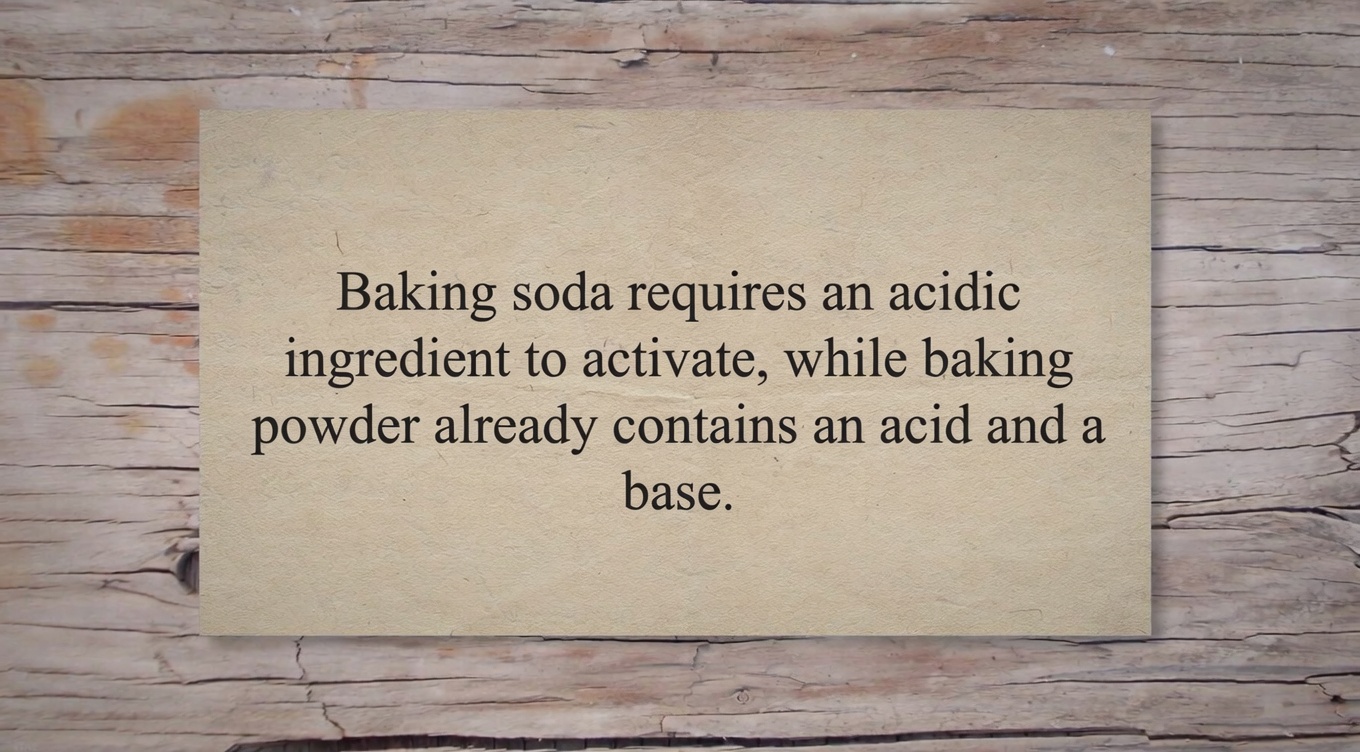
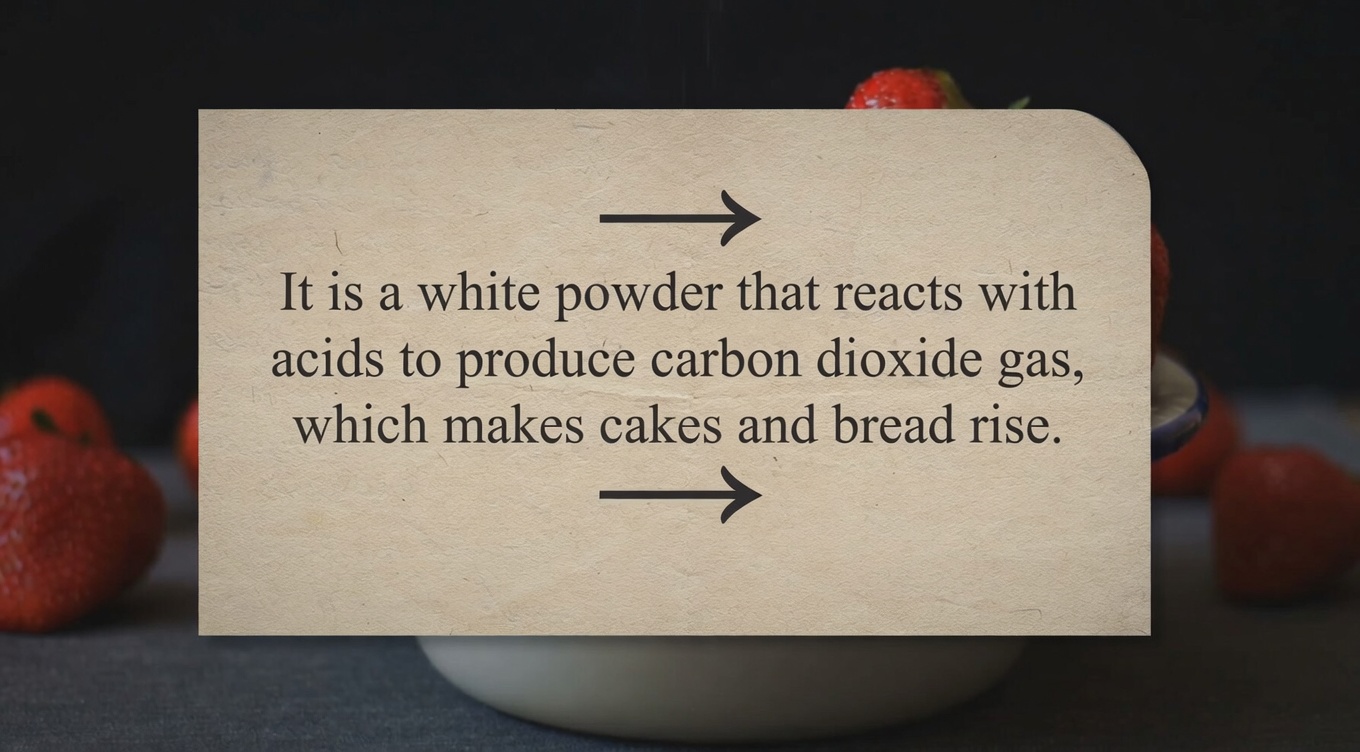
Baking soda (sodium bicarbonate) is widely known as one of the most versatile household ingredients. In the kitchen, it’s a go-to leavening agent that helps baked goods rise. Beyond cooking, many people use it as a gentle, non-toxic cleaner for household surfaces and even for laundry. It’s also commonly taken as a home remedy for occasional heartburn and used in oral care routines to help brighten teeth.

Study Highlights: Baking Soda and Immune Support
A study published in the Journal of Immunology by researchers from the Medical College of Georgia at Augusta University reported that drinking a baking soda solution may help support the immune system and potentially improve the body’s ability to manage inflammatory conditions, including illnesses such as rheumatoid arthritis.
How the Researchers Tested Baking Soda’s Effects
To understand the impact of a baking soda drink on the immune system, scientists first tested it on laboratory animals and then examined the results in human participants. The findings suggested that sodium bicarbonate may signal to the body that it is not under attack—reducing the need for an overly aggressive immune response.

The Link Between Baking Soda and Mesothelial Cells
The researchers focused on mesothelial cells, which form a lining around many internal organs and body cavities. These cells help prevent organs and tissues from sticking together, while also contributing to other key functions inside the body.

According to the study’s explanation, baking soda may prompt the stomach to increase gastric acid production, which can support digestion and help the digestive process move along more efficiently.

At the same time, the researchers propose that baking soda “informs” the mesothelial cells—particularly those lining the spleen—that there is no immediate threat, encouraging them to step back from triggering a strong inflammatory reaction.

A Clear Example: Food vs. Infection
Put simply, the body may “learn” that what’s happening is digestion, not an invasion. For example, rather than treating a meal like a bacterial infection, the immune system may avoid unnecessarily activating macrophages and other white blood cells that would typically respond to harmful pathogens.

The researchers believe this immune shift may occur because baking soda influences the spleen through signals mediated by mesothelial cells.

How Mesothelial Cells Send Signals
Mesothelial cells communicate with nearby organs using tiny structures called microvilli. The study describes a signaling process involving acetylcholine, a neurotransmitter that helps transmit messages within the body.

Key Conclusions From the Study
As summarized by the study authors (and reported by Healthy Holistic Living), participants who drank a baking soda solution showed changes in the immune cell activity in the spleen:
- Pro-inflammatory immune cells decreased
- Anti-inflammatory immune cells increased
This suggests a shift toward a less inflammatory immune profile—an effect the researchers associated with the spleen’s immune response.

Why the Findings Also Matter for Kidney Health
Mesothelial cells are also found in other areas, including the kidneys and the bloodstream. Because of this, baking soda is often discussed as a natural approach used by some people managing chronic kidney disease.
The researchers were also interested in whether sodium bicarbonate could help support renal (kidney) function, given the known relationship between inflammation and kidney health.

The Anti-Inflammatory Shift Was Broader Than the Spleen
Importantly, the study observed a similar inflammatory-to-anti-inflammatory shift not only in the spleen, but also in:
- The kidneys
- The blood

These broader changes suggest the effects may extend beyond a single organ and could influence immune balance throughout the body.

What This Means in Practical Terms
Overall, the research points to a potential connection between drinking a baking soda solution and supporting the body’s ability to regulate inflammation—possibly by influencing how mesothelial cells communicate with immune organs such as the spleen.
While baking soda remains best known for cooking and cleaning, this study adds to scientific interest in how sodium bicarbonate may interact with immune pathways involved in inflammatory diseases.