Hearing Loss and Ear Discomfort: A Simple Natural Approach
Reduced hearing, a blocked sensation, or recurring ear discomfort can feel upsetting—especially when it affects daily life. Common causes include earwax buildup, mild ear irritation, infections, and age-related hearing changes. While medical care is essential for serious symptoms, many people also look for gentle, natural ear care options to support comfort and clarity.
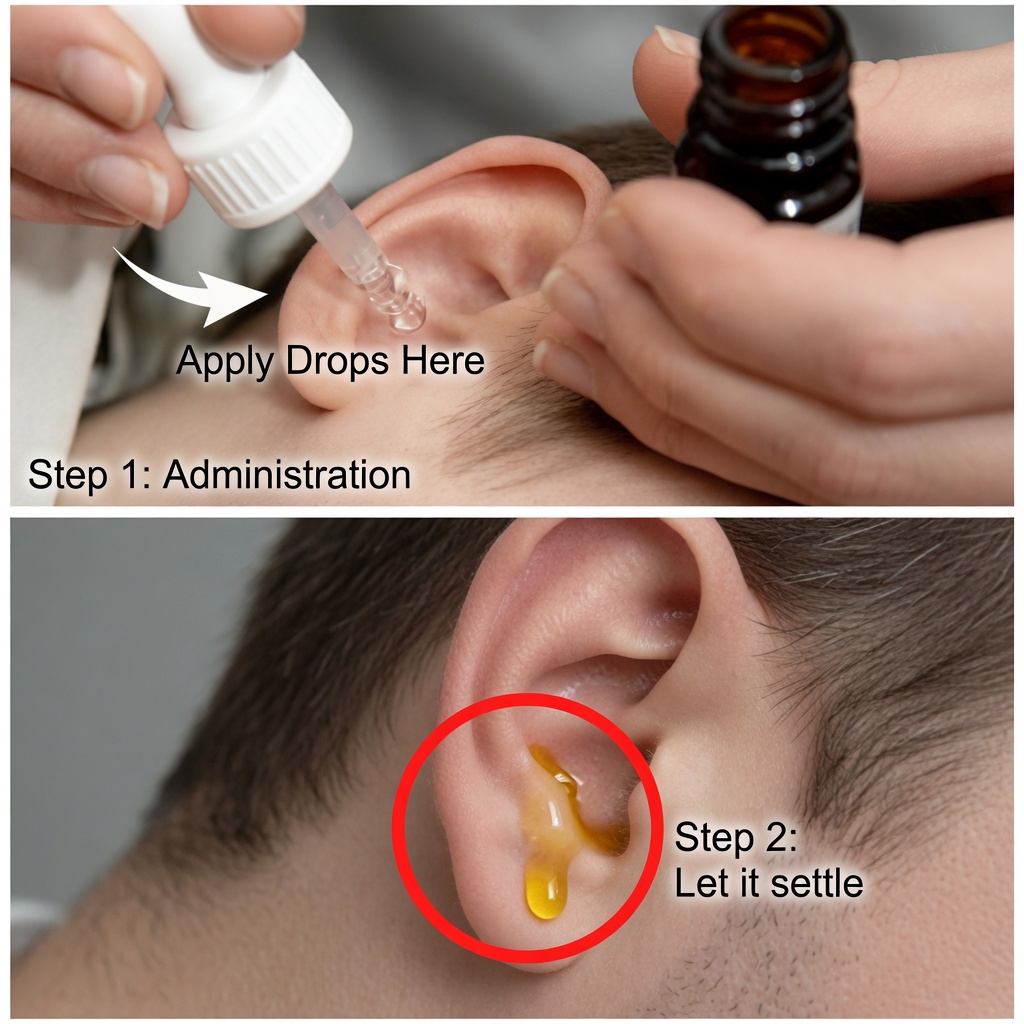
The “2-Drop” Home Remedy: Garlic-Infused Olive Oil
A well-known traditional solution for ear wellness is garlic infused in olive oil. Used carefully, this combination is often chosen to support ear health because it may:
- Soften and loosen earwax naturally, helping ease the “blocked ear” feeling
- Support protection against microbes, thanks to garlic’s natural antibacterial and antifungal compounds
- Calm irritation and inflammation, which can reduce pressure-like discomfort
- Encourage circulation in the surrounding area, potentially supporting overall ear function
How to Make Garlic and Olive Oil Ear Drops
Ingredients
- 1 garlic clove, crushed or finely chopped
- 2 tablespoons extra virgin olive oil
- A small clean bottle (or a spoon for short-term use) and a dropper
Instructions
- Warm the olive oil in a small pan over low heat (do not boil).
- Add the crushed garlic and let it gently infuse for 5–10 minutes.
- Remove from heat and allow it to cool until it reaches room temperature.
- Strain out all garlic pieces and store the oil in a clean, sealed container.
How to Use Garlic Olive Oil Drops Safely
- Lie on your side with the affected ear facing upward.
- Using a dropper, place 2–3 drops of slightly warm (not hot) oil into the ear.
- Stay in position for 5–10 minutes so the oil can coat the ear canal.
- Tilt your head to let excess oil drain out, then wipe gently with a tissue.
For many people, this is repeated once per day for 3–5 days.
Why Garlic and Olive Oil May Help
- Garlic contains allicin, a compound widely recognized for its antimicrobial activity.
- Olive oil can soften hardened earwax and may help reduce irritation in the outer ear canal.
- The warmth of gently heated oil can feel soothing and may encourage local blood flow, which some people associate with improved comfort.
Other Natural Options People Commonly Use
If you’re exploring additional home approaches for earwax and mild irritation, these are often mentioned:
- Apple cider vinegar + rubbing alcohol (equal parts): sometimes used for mild antimicrobial support and drying effect; typically 1–2 drops
- Ginger oil: valued for its anti-inflammatory properties and traditional use for circulation support
- 3% hydrogen peroxide: commonly used to help loosen earwax; often 1–2 drops, then allow it to sit briefly before draining
Use caution with any ear drops, especially if symptoms persist or worsen.
When to See a Doctor
Seek medical care promptly if you have any of the following:
- Sudden or significant hearing loss
- Strong pain, swelling, fever, or worsening symptoms
- Fluid, pus, or blood draining from the ear
- A history of frequent ear infections, ear surgery, or a suspected perforated eardrum
Final Thoughts
Garlic-infused olive oil is a classic, simple remedy many people use for earwax support, ear comfort, and ear health maintenance. When used gently and responsibly, it may help relieve mild blockage and support a clearer hearing experience over a few days.