Swollen Feet (Edema): Causes and Natural Home Remedies
Swollen feet—often called edema—happen when fluid builds up in the tissues. This can be triggered by everyday situations such as standing or sitting for long periods, pregnancy, or poor circulation. In some cases, swelling may also be linked to underlying medical conditions. The good news is that several natural remedies for swollen feet can help reduce puffiness and improve comfort at home.
1) Epsom Salt Foot Soak
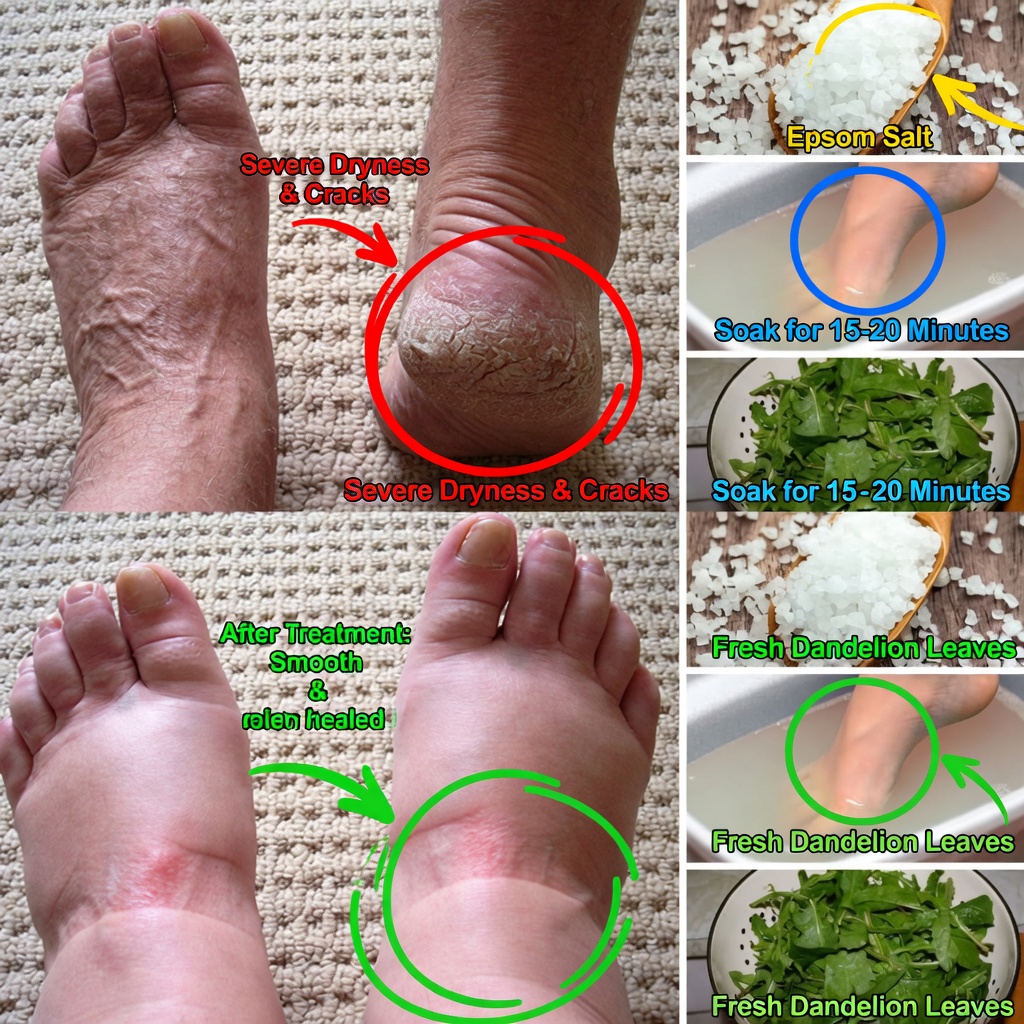
An Epsom salt soak is a popular at-home option for tired, puffy feet. Epsom salt contains magnesium, which may help ease inflammation and soothe discomfort.
What you need
- A basin of warm water
- ½ cup Epsom salt
How to use
- Pour warm water into a basin and stir in the Epsom salt until dissolved.
- Soak your feet for 15–20 minutes.
- Use this soak 2–3 times per week for best results.
2) Elevate Your Feet to Reduce Swelling
Swelling often gets worse when gravity keeps fluid in the lower legs and feet. Elevating your feet supports better circulation and helps reduce fluid pooling.
How to do it
- Lie down and rest your feet on pillows so they sit above heart level.
- Stay elevated for 15–20 minutes, a few times daily.
3) Foot Massage with Essential Oils
A gentle foot massage for edema can encourage circulation and support fluid drainage. Adding essential oils may enhance the soothing effect.
What you need
- A few drops of peppermint or lavender essential oil
- 1–2 tablespoons coconut oil or olive oil (carrier oil)
How to use
- Combine essential oil with the carrier oil.
- Massage your feet using upward strokes (from toes toward ankles).
- Continue for 10–15 minutes, once or twice a day.
4) Ginger Tea for Fluid Retention
Ginger is known as a natural diuretic and may help with fluid retention and inflammation.
What you need
- A 1-inch piece of fresh ginger, sliced
- 1 cup hot water
- Honey (optional)
How to use
- Steep the ginger in hot water for 10 minutes.
- Strain and add honey if you like.
- Drink 1–2 cups per day.
5) Cold Compress for Swollen Feet
Using a cold compress can help reduce swelling by narrowing blood vessels and easing soreness.
What you need
- A clean towel
- Ice cubes or a gel cold pack
How to use
- Wrap ice in a towel (or use a covered gel pack).
- Apply to the swollen areas for 15–20 minutes.
- Repeat every few hours as needed.
6) Stay Hydrated
It may sound surprising, but drinking enough water can help reduce water retention. Proper hydration supports the body in flushing excess sodium and waste.
What to do
- Aim for 8–10 glasses of water daily.
- Limit salty foods and highly processed meals, which can worsen swelling.
7) Apple Cider Vinegar Compress
An apple cider vinegar compress is often used for its potential anti-inflammatory benefits and may help ease mild swelling.
What you need
- 1 cup apple cider vinegar
- 1 cup warm water
- A clean cloth
How to use
- Mix vinegar and warm water in equal parts.
- Soak the cloth, then wrap it around your feet for 15 minutes.
- Repeat once daily.
Extra Tips to Prevent and Reduce Foot Swelling
- Do light movement (such as walking) to support circulation.
- Choose comfortable shoes with good arch support.
- Avoid staying in one position too long—take breaks from prolonged standing or sitting.
When to See a Healthcare Professional
If swelling doesn’t improve, becomes severe, or comes with other symptoms, seek medical advice for proper evaluation. These home remedies can be helpful for everyday discomfort, but persistent edema may need professional care.