Swollen Legs: Why They Happen and a Natural Remedy That Works
Leg swelling is not only uncomfortable—it can feel heavy, painful, and exhausting. In many cases, it points to circulation problems, especially when fluid collects in the lower legs and ankles. Although conventional treatments are common, many people also look for a natural option with real evidence behind it.
One of the best-known herbal choices is Horse Chestnut (Aesculus hippocastanum). Used for centuries in traditional remedies and supported by modern research, horse chestnut is widely recognized for helping with swollen legs, poor circulation, and vein-related discomfort.
What Is Horse Chestnut?
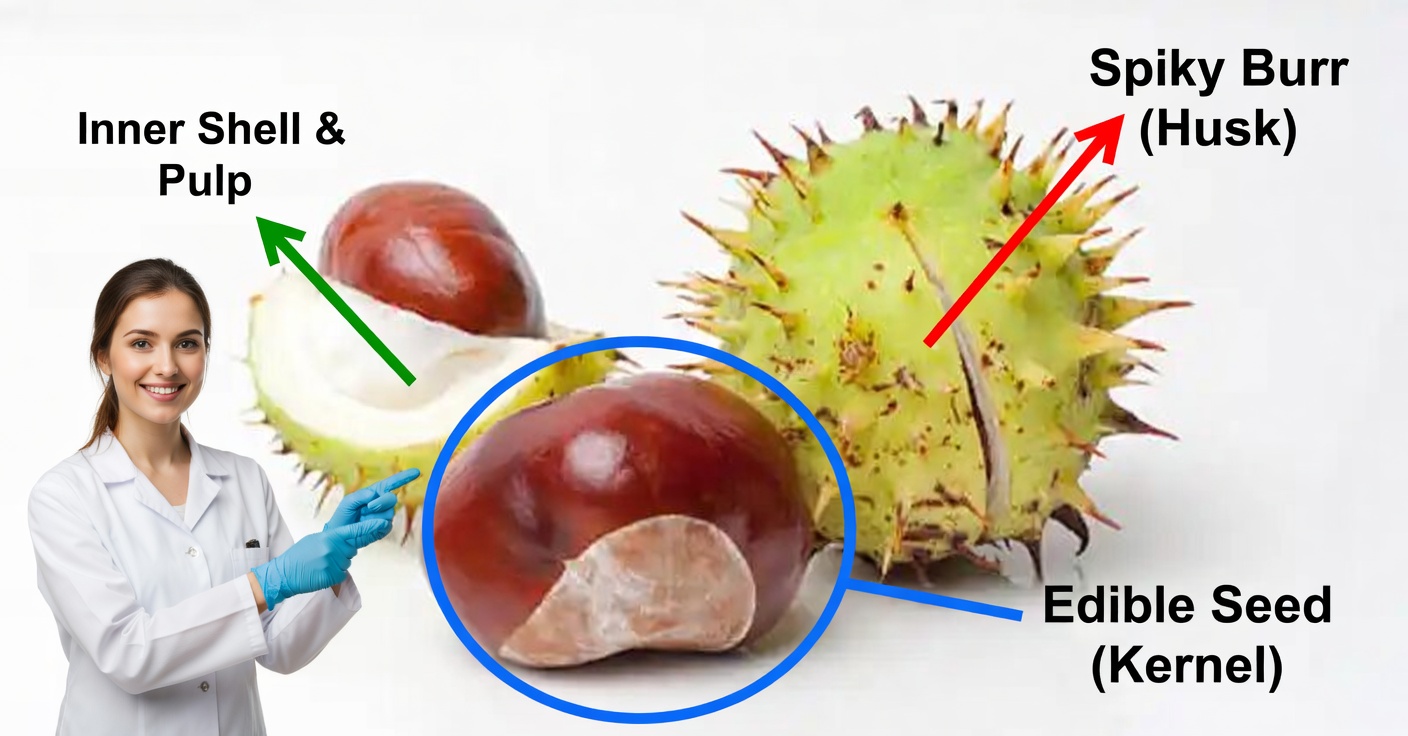
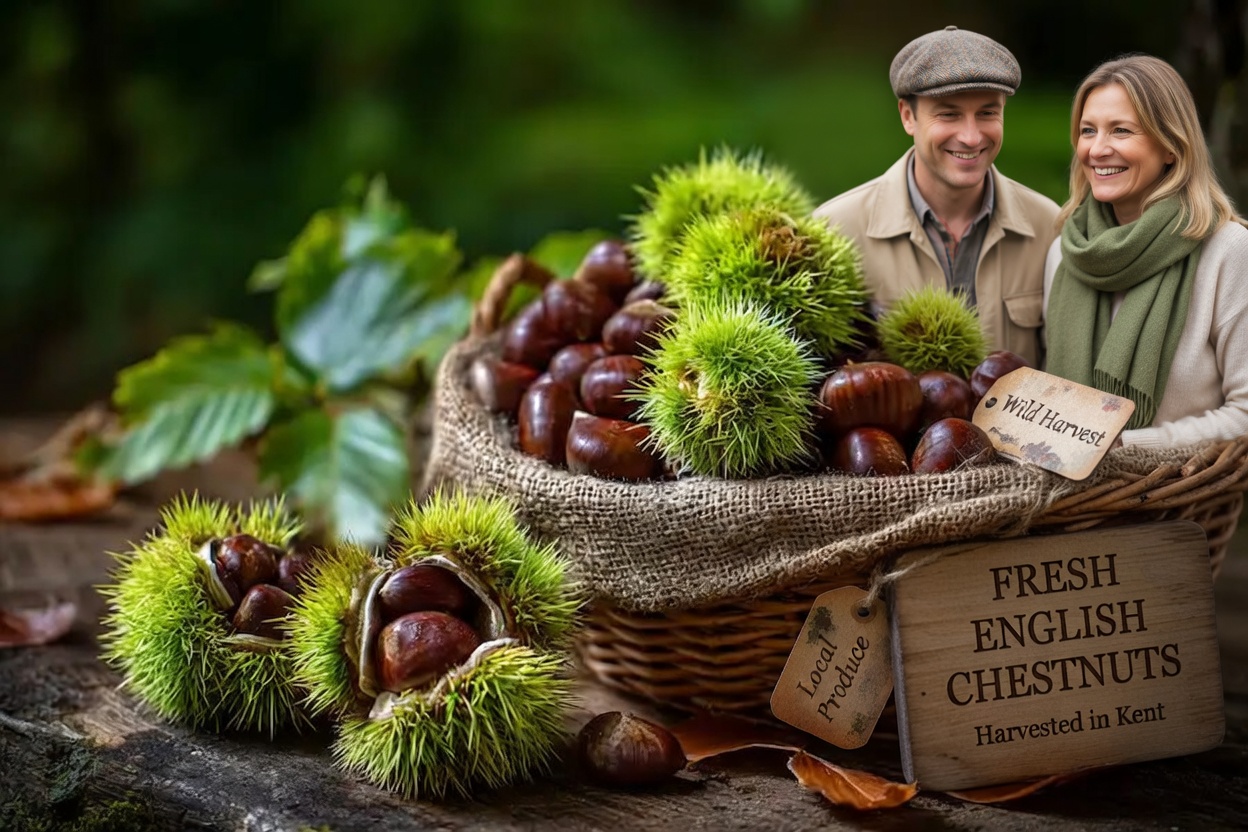
Horse chestnut is a European tree known for its spiky green pods and shiny brown seeds, often called conkers. These seeds contain aescin, the plant’s most important active compound and the main reason horse chestnut is used in natural vein and circulation support.
Why Horse Chestnut Helps with Swollen Legs
Swelling in the legs often develops when blood flow is sluggish and small blood vessels allow fluid to leak into nearby tissues. Horse chestnut supports this issue in three key ways.
1. Supports Stronger Blood Vessels
Aescin helps improve the tone of veins and capillaries, making them less likely to leak fluid into surrounding tissue—one of the main drivers of leg swelling.
2. Promotes Healthier Circulation
Horse chestnut may help blood move upward toward the heart more efficiently, which can reduce the classic symptoms of heavy, tired legs, especially after long days on your feet.
3. Helps Calm Inflammation
Its natural anti-inflammatory effects can ease swelling, tenderness, and discomfort in the legs, feet, and ankles.
Because of these actions, horse chestnut is commonly used for:
- Chronic venous insufficiency
- Varicose veins
- Edema linked to prolonged sitting or standing
- Swollen ankles during heat, flights, or long travel days
Additional Benefits of Horse Chestnut
While leg swelling is the most well-known use, horse chestnut may also support overall vein and tissue health in several other ways:
- Hemorrhoid relief due to its vein-toning properties
- Varicose vein support, helping reduce discomfort and visible swelling
- Less leg cramping and restlessness, often tied to poor circulation
- Improved skin vitality by supporting blood flow to tissues
- Lymphatic support, potentially easing puffiness related to sluggish drainage
- Faster bruise recovery, since stronger capillaries can reduce easy bruising
How to Use Horse Chestnut at Home (Safely)
Important safety warning: Raw horse chestnut seeds, bark, and leaves are toxic if taken internally unless properly processed. Never eat raw horse chestnut.
1. Horse Chestnut Oil or Salve (External Use)
Ingredients
- 4–5 horse chestnut seeds (fresh or dried), crushed
- 250 ml olive oil or almond oil
- Optional: calendula or comfrey (for added soothing support)
Instructions
- Crush the seeds using a mortar and pestle or blender.
- Place them in a jar and cover with oil.
- Infuse the mixture:
- Gently warm using a double boiler, or
- Let it sit in a sunny spot for 1–2 weeks
- Strain through cheesecloth.
- Store in a dark glass bottle or jar.
How to use
- Massage into swollen legs, ankles, or areas with varicose veins twice daily.
- For stronger results, apply in the evening and elevate your legs for 15–20 minutes afterward.
2. Horse Chestnut Compress
Instructions
- Simmer crushed seeds or bark in water for about 20 minutes to create a strong infusion.
- Let it cool until warm, not hot.
- Soak a clean cloth in the liquid, wring it out, and wrap the swollen area.
- Cover with plastic and a towel to hold warmth.
- Leave on for 30–40 minutes once daily.
3. Standardized Horse Chestnut Extract (Internal Use)
For internal use, the safest approach is choosing a trusted, standardized supplement.
Look for:
- 16–20% aescin (standardization matters)
- Common dosage is around 300 mg per day, but always follow the product label
Avoid internal use if you are:
- Pregnant or breastfeeding
- Living with kidney or liver disease
- Taking blood thinners (possible increased bleeding risk)
Tips to Improve Results for Heavy or Swollen Legs
Combine horse chestnut with circulation-friendly habits:
- Elevate your legs during rest
- Drink enough water throughout the day
- Break up long periods of sitting or standing
- Consider compression socks when needed
- Pair with nettle tea or dandelion tea to support natural fluid balance and circulation
Safety Note: When to See a Doctor
Horse chestnut can be highly effective, but it isn’t a replacement for medical care. Seek urgent help if swelling is sudden, severe, one-sided, or comes with pain, chest discomfort, or shortness of breath. These may signal serious conditions such as deep vein thrombosis or heart-related issues.
Final Thoughts
If you’re dealing with swollen, heavy legs and want a natural option with real scientific interest behind it, horse chestnut is one of the strongest herbal choices available. Used consistently—whether as a homemade oil, a compress, or a properly standardized extract—it may help improve comfort, circulation, and overall leg health, while also supporting vein and skin wellness.
Sometimes the most practical remedies aren’t exotic—they’re simply the ones we learn to use correctly.