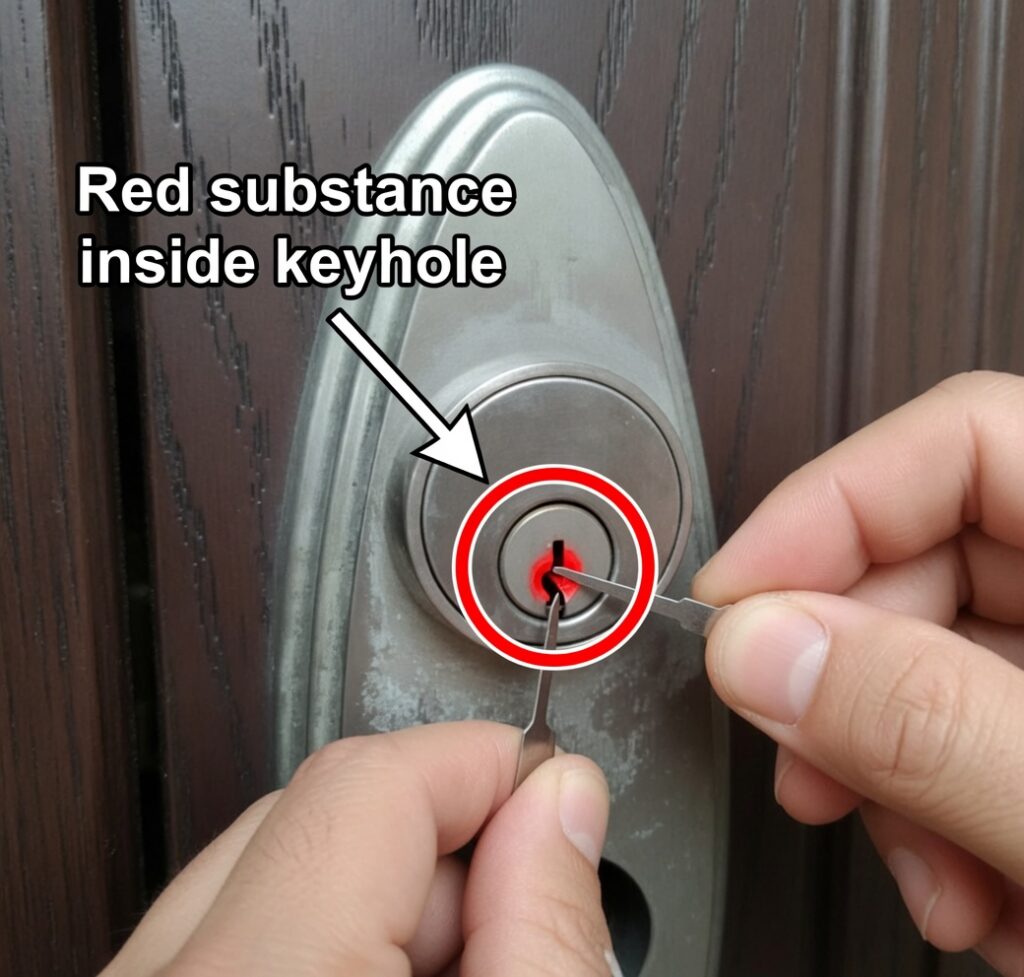
Red Wax in Your Door Lock: What It Could Mean (and What to Do Next)
Finding red wax—or any unusual substance—in your door lock can feel alarming. Even if it looks like a harmless smear, it may signal door lock tampering or a method criminals use to test and target homes.
Before you dismiss it as a prank, it’s worth understanding the most common reasons it happens and the smartest steps to take right away.
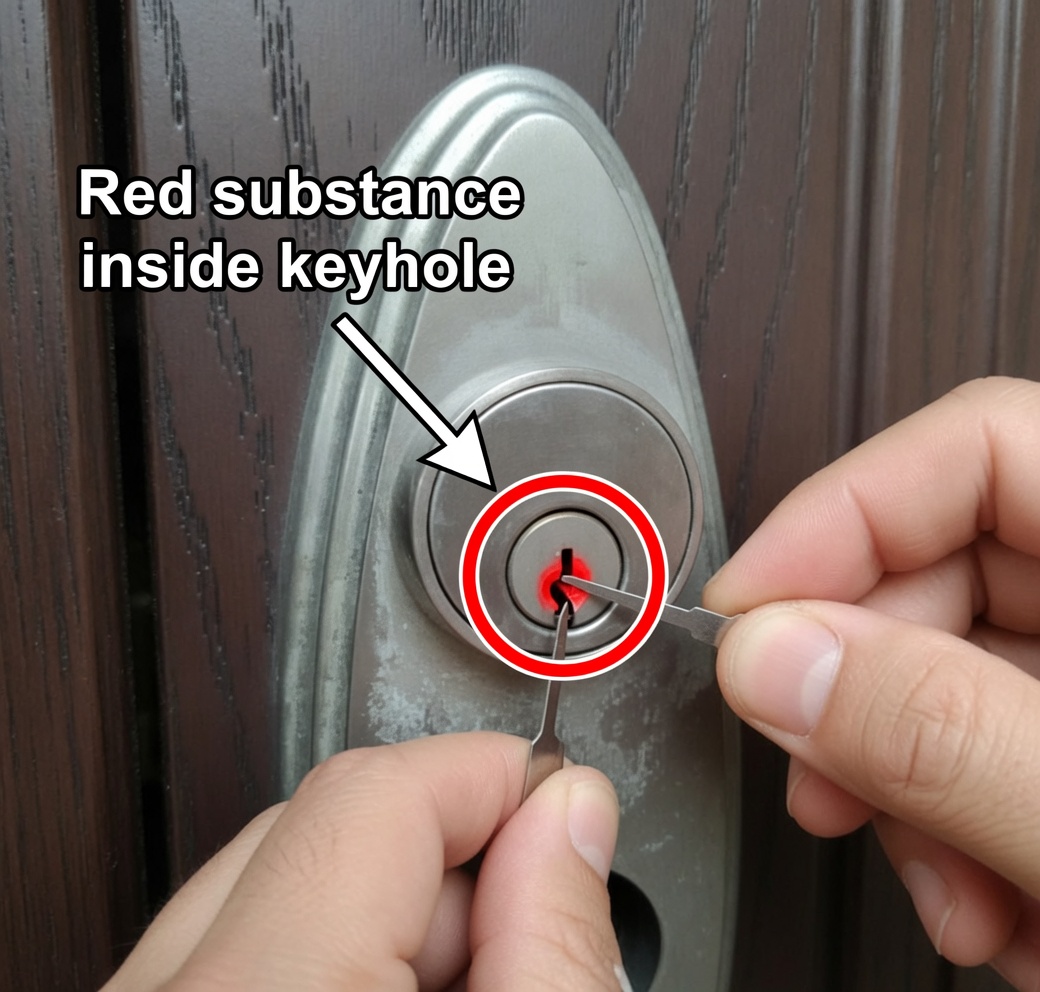
Possible Reasons There’s Red Wax in Your Door Lock
1) Burglary Marking or a Targeting Signal
In some areas, burglars use small “markers” such as wax, chalk, tape, stickers, or symbols to identify potential targets or communicate with others. Red wax may be used to indicate:
- A home that appears unoccupied, vulnerable, or easy to access
- A “test” to see whether residents notice interference with the door
- A way to mark the property for a later burglary attempt
If you don’t know how it got there, treat it as a potential warning sign.
2) Attempted Lock Tampering or Picking
Wax can also show up when someone has tried to interfere with the lock. In some cases, criminals may use substances to:
- Check how often the lock is used (to see whether residents are home)
- Make parts of a lock easier to manipulate later
- Experiment with the lock and leave behind fresh residue or smearing
Look closely for related signs such as scratches near the keyway, a door that doesn’t align properly, or a lock that suddenly feels stiff or “off.”
3) A Prank or Accidental Transfer
Not every incident is criminal. Red wax can come from everyday situations, including:
- A child rubbing crayon or colored wax near the lock
- Accidental contact from a neighbor, visitor, or worker carrying waxy materials
- A service marking left after maintenance (though reputable companies typically inform the homeowner)
If the neighborhood is calm and there are no other red flags, it may be harmless—but it’s still smart to stay cautious.
What to Do If You Find Red Wax in Your Door Lock
1) Remove the Wax and Check the Lock’s Condition
- Carefully clear the wax using a key edge, wooden toothpick, or another small tool
- Test whether the key turns normally and whether the lock feels smooth
- Examine the lock face and surrounding area for dents, scratches, or forced-entry marks
If the lock feels different than usual, consider replacing or rekeying it.
2) Review Camera Footage and Ask Nearby Neighbors
- Check any security camera, video doorbell, or building CCTV for activity near your door
- Ask neighbors if they noticed unfamiliar people, door-to-door activity, or similar markings nearby
Patterns in the area can help confirm whether it’s isolated or part of a broader issue.
3) Strengthen Your Home Security
If there’s any doubt, upgrading basic protection can deter future attempts:
- Install or upgrade to a quality deadbolt (or a reputable smart lock)
- Add motion-activated outdoor lighting near entry points
- Use a camera or doorbell camera for real-time alerts and recorded evidence
Even small improvements can make your home a less attractive target.
4) Report Suspicious Activity to Local Authorities
If the wax appears deliberate, fresh, or linked with other suspicious signs, contact local police or non-emergency services. They may:
- Confirm whether similar incidents have been reported nearby
- Increase patrols in your area
- Provide safety guidance based on local crime trends
If you notice multiple markings (on doors, gates, mailboxes, or walls), report it promptly—this may indicate targeting.
Final Verdict: Should You Worry About Red Wax in a Lock?
- Be concerned if the wax looks intentional, newly applied, or appears alongside other signs of tampering. It could indicate burglary targeting or an attempted break-in.
- Worry less if it clearly matches an accident, a child’s prank, or known maintenance work—but continue monitoring the lock and your surroundings.
Staying alert, checking for tampering, and improving entry security are the best ways to protect your home when something feels off.