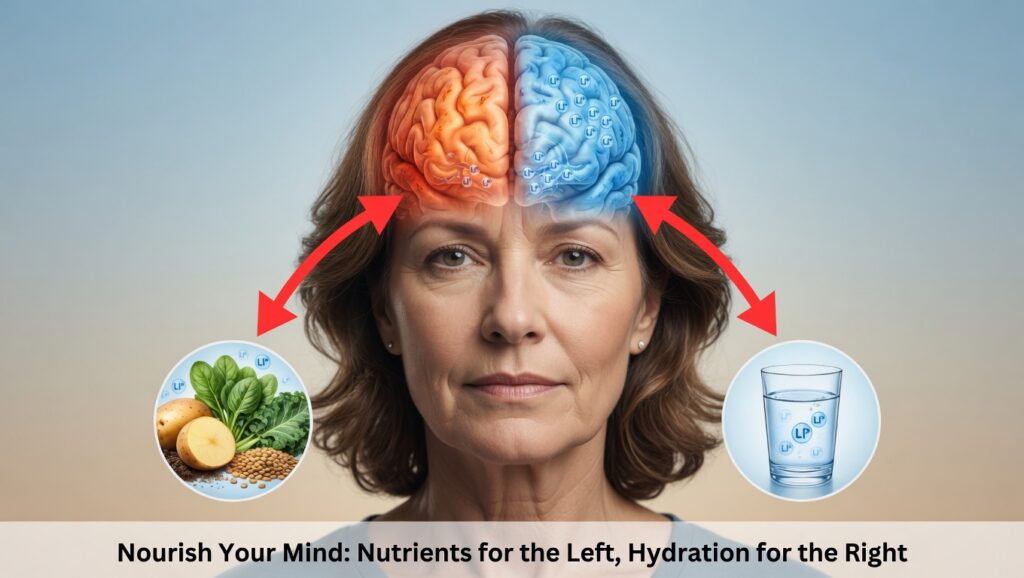
Could Lithium Be the Missing Piece in Alzheimer’s Disease?
Alzheimer’s disease is one of the leading causes of death around the globe, yet its root causes are still not fully understood, even after decades of intensive study. A fascinating new line of research suggests we may have missed a crucial factor: lithium.
Best known as a medication for mood disorders, lithium also appears to play an underappreciated role in brain health. Emerging evidence hints that it could influence how Alzheimer’s develops and progresses. Below, we’ll unpack what the latest science is saying, what it might mean for you, and whether lithium supplements—especially lithium orotate—deserve a place in the conversation about cognitive health.
(Based on the insights of Dr. Brad Stanfield.)
Key Takeaways
- New research links low lithium levels in the brain with the development and progression of Alzheimer’s disease.
- The specific form of lithium (such as lithium orotate) may be important for protecting brain function and possibly reversing some cognitive decline.
- Animal studies are encouraging, but high-quality human trials are still limited, so it’s too early to make firm supplementation recommendations.
- Most people already obtain lithium from food and drinking water, and excessive intake can be toxic.
- There are many proven, non-supplement strategies to lower your dementia risk right now.
1. Alzheimer’s Causes: More Than Just Your Genes
Genetics do play a role in Alzheimer’s risk, and certain gene variants can significantly increase your chances of developing the disease. However, your genes are only part of the picture.
Environmental exposures and lifestyle choices—diet, exercise, sleep, social engagement, and more—are factors you can actually influence. Historically, research on brain metals has focused on the dangers of excess, such as high levels of iron or copper contributing to damage.
The new data add a twist: it’s not only too much of certain metals that may be harmful. Too little of protective elements like lithium could also make the brain more vulnerable to Alzheimer’s.
2. What Goes Wrong in the Alzheimer’s Brain?
Alzheimer’s disease is defined by two hallmark features:
- Amyloid plaques: sticky protein clumps that accumulate between brain cells.
- Tau tangles: twisted fibers of tau protein that form inside neurons.
Together, these abnormalities disrupt communication between brain cells, trigger chronic inflammation, and ultimately cause neuronal death.
What remains unclear is why these plaques and tangles build up in the first place—and why in some people more than others. That’s where lithium may come into the story.
3. A Breakthrough Finding: Lithium Levels in Alzheimer’s Brains
In a recent study, scientists examined brain tissue from people who had:
- No signs of cognitive impairment
- Mild cognitive impairment
- Diagnosed Alzheimer’s disease
They measured 27 different metals in these samples. One element stood out: lithium.
Individuals with cognitive impairment or Alzheimer’s had noticeably lower lithium levels in their brain tissue, even though their blood lithium levels looked normal.
This suggests that something specific to the brain—possibly disease-related changes—was disturbing lithium balance there, while the rest of the body appeared unaffected.
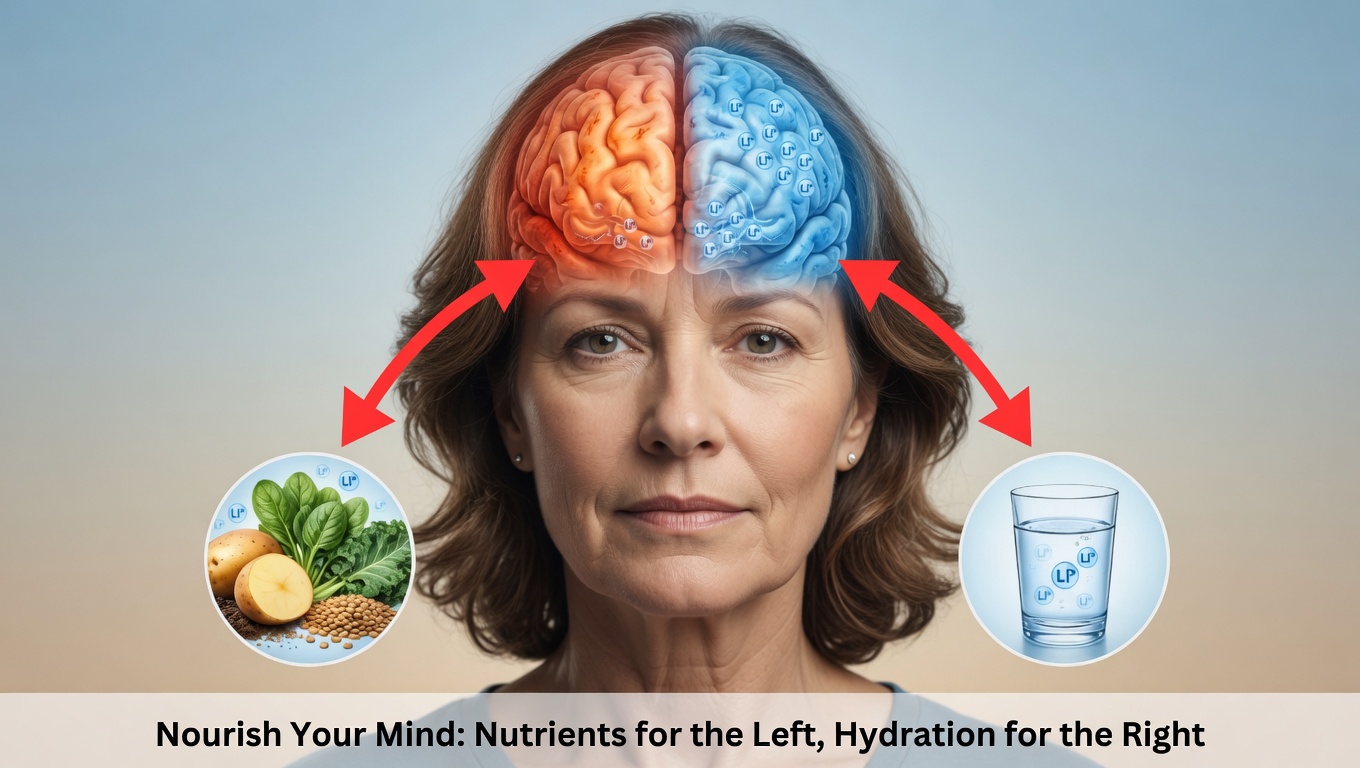
4. Amyloid Plaques: Lithium “Sponges” in the Brain
When researchers looked more closely at the amyloid plaques themselves, they made a striking observation: these plaques were concentrating lithium.
In other words, as amyloid plaques accumulate, they seem to act like sponges that soak up lithium, trapping it and reducing how much is available to the surrounding, healthy brain tissue.
This creates a localized lithium deficiency in the very areas of the brain already under stress from Alzheimer’s changes, potentially worsening the damage and cognitive decline.
5. What Happens When Lithium Is Reduced? Evidence from Mice
To test whether reduced lithium actually contributes to brain degeneration, scientists turned to animal models:
- Mice were fed a diet with 92% less lithium than normal.
- Some of these mice were genetically modified to be prone to forming amyloid plaques (similar to human Alzheimer’s).
- Others were healthy mice without those genetic changes.
The results were striking:
- In plaque-prone mice, amyloid plaques appeared earlier and grew more rapidly on a low-lithium diet.
- In otherwise healthy mice, low lithium:
- Increased levels of proteins that form plaques and tangles
- Heightened brain inflammation
- Accelerated cognitive decline
This points to a potential vicious cycle:
- Plaques build up and pull lithium out of circulation in the brain.
- Lower lithium availability then promotes even more plaque and tangle formation.
- The process feeds on itself, further damaging brain cells.
6. Human Clues: Does Lithium Intake Affect Dementia Risk?
Animal studies are powerful, but what about real people?
Observational research offers some intriguing hints:
- Danish water studies: In Denmark, people whose drinking water contained the lowest levels of lithium had a higher risk of being diagnosed with dementia compared to those with more lithium in their water.
- Follow-up in individuals with mild cognitive issues: In a separate study, people who had previously taken lithium for mild cognitive impairment performed better on cognitive tests over time than those who had never taken lithium.
These findings don’t prove cause and effect, but they do support the idea that lithium exposure—possibly even in tiny amounts—could influence dementia risk and cognitive aging.
7. Lithium Orotate vs. Lithium Carbonate: Why the Form Matters
Lithium is not just one thing—there are different forms of lithium compounds, and they behave differently in the body and brain.
-
Lithium carbonate
- Commonly used as a prescription drug in psychiatry.
- In studies, this form appears to be sequestered by amyloid plaques in the same way naturally occurring lithium is.
- This may limit its availability to healthy brain tissue and help explain why some earlier trials using lithium carbonate in Alzheimer’s did not show dramatic benefits.
-
Lithium orotate
- A different compound often sold as a dietary supplement.
- In animal studies, this form:
- Remains more accessible in normal brain tissue
- Almost completely blocks the formation of harmful amyloid and tau-related proteins
In mice, lithium orotate appears to protect brain cells more effectively than lithium carbonate. This may be why newer preclinical research using orotate looks more promising than older trials using carbonate. However, these results are still mostly from animal models, not large human studies.
8. Is It Time to Take a Lithium Supplement?
Despite the buzz, it’s important to be cautious.
Here’s what we know so far:
- The science on lithium and Alzheimer’s is exciting but preliminary, especially when it comes to humans.
- There is no widely accepted safe or optimal dose of lithium orotate (or any lithium supplement) for dementia prevention.
- Excess lithium can be dangerous, potentially causing:
- Kidney problems
- Thyroid issues
- Neurological side effects
Also, most people already get small amounts of lithium naturally:
- From drinking water (especially in regions with higher lithium content in groundwater)
- From foods, such as some vegetables, grains, and other plant-based sources
In fact, certain greens and vegetables can contain enough lithium that, if consumed in unusually large quantities, could raise questions about safety. More is not always better—particularly with a mineral that has a narrow safety margin.
9. Why Lithium Supplements Aren’t Ready for Prime Time
Given the current state of the research, there are several reasons not to recommend lithium supplements for Alzheimer’s prevention just yet:
- Limited human data: Most of the dramatic results come from animal models or small human studies.
- Unknown long-term effects: We lack robust information on what decades of low-dose lithium supplementation might do—good or bad.
- No standardized dosing: Without clear guidance, people may take too much or too little.
- Potential side effects: Lithium can accumulate and cause significant health problems at higher levels.
Until large, long-term clinical trials clarify the benefits, risks, and optimal dosing strategies, routine lithium supplementation for dementia prevention remains speculative.
10. Proven Ways to Reduce Your Dementia Risk Today
You don’t need to wait for future lithium studies to protect your brain. There are many evidence-backed strategies that can meaningfully lower your risk of Alzheimer’s and other dementias:
- Stay physically active
- Aim for regular aerobic activity (e.g., walking, cycling, swimming).
- Eat a brain-healthy diet
- Emphasize whole foods, vegetables, fruits, whole grains, healthy fats, and lean proteins.
- Dietary patterns like the Mediterranean or MIND diet are particularly well-studied.
- Challenge your mind
- Continue learning new skills, reading, puzzles, languages, or musical instruments.
- Maintain social connections
- Stay engaged with friends, family, and community activities.
- Prioritize quality sleep
- Aim for consistent, restorative sleep and address sleep disorders like sleep apnea.
- Manage chronic conditions
- Control blood pressure, blood sugar, cholesterol, and weight.
- Avoid smoking and limit excessive alcohol intake.
These lifestyle changes are strongly associated with a lower risk of cognitive decline—and they benefit your overall health as well.
Conclusion: Lithium’s Promise and the Path Forward
The discovery that lithium deficiency in the brain may be a common feature of Alzheimer’s disease opens a compelling new chapter in dementia research. The idea that specific forms of lithium, such as lithium orotate, might help protect or even restore cognitive function is intriguing—but at this stage, still unproven in humans.
Because lithium can be harmful at higher levels and there are no clear dosing guidelines for dementia prevention, it’s wise to be cautious and wait for more high-quality evidence before turning to supplements.
In the meantime, you have powerful tools already at your disposal: exercise, nutrition, sleep, social engagement, and medical care for chronic conditions. These proven strategies can significantly support your brain health as you age.
Science will continue to evolve, and staying informed—without jumping ahead of the evidence—is one of the best ways to safeguard your cognitive future.
Source: Insights adapted from Dr. Brad Stanfield.