The Herbal Plantain Remedy: A Simple Recipe for Skin, Gut, and Inflammation Support
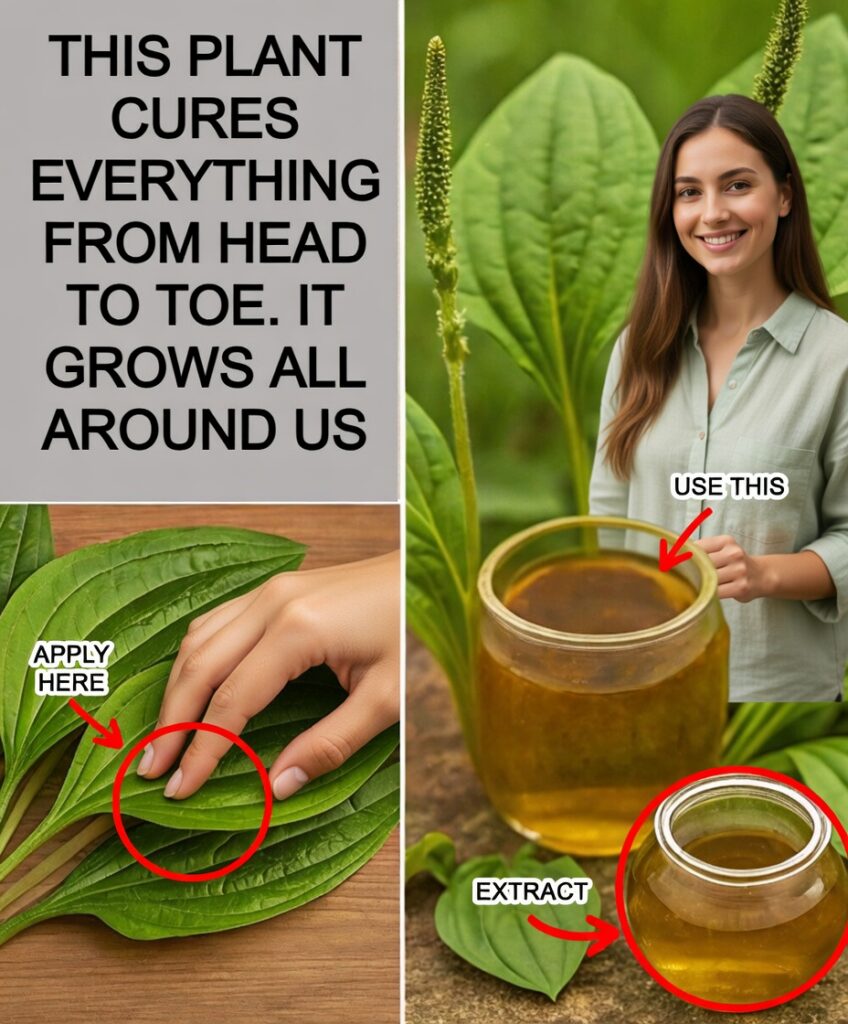
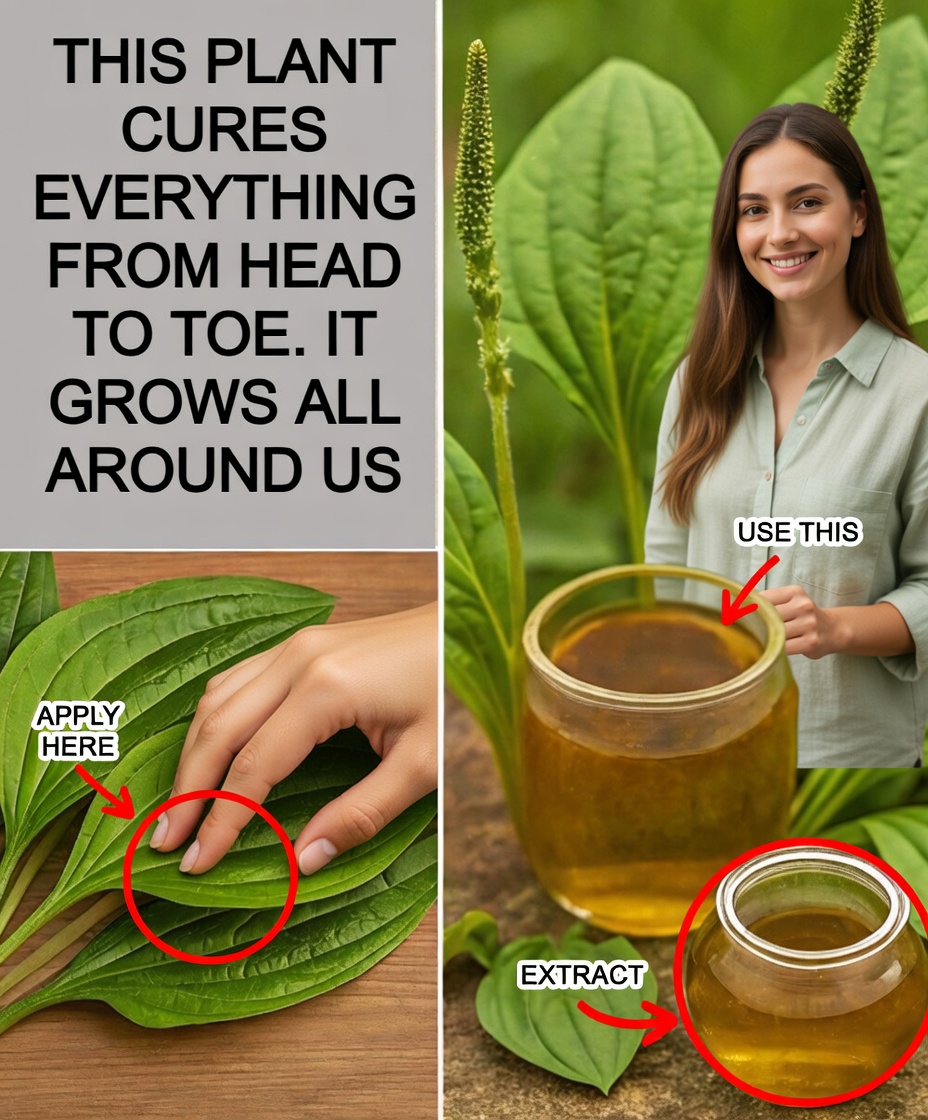
Forget trendy supergreens for a moment. Plantain leaves—the common “weed” you’ll often see in lawns, paths, and gardens—have been used in traditional herbal practices for centuries. Made from Plantago major (broadleaf plantain) or Plantago lanceolata (narrowleaf plantain), this humble leaf is well known for helping soothe minor skin injuries, digestive irritation, and everyday inflammation.
Below you’ll learn how to turn plantain into a comforting herbal infusion (tea) and a practical plantain salve you can use topically.
What Are Plantain Leaves?
Not the banana-like fruit—this is a different plant entirely. Plantain (Plantago) is a widespread wild herb found across many regions, making it one of the most accessible medicinal plants for home herbal use.
Quick facts
- Botanical names: Plantago major (broadleaf) and Plantago lanceolata (narrowleaf)
- Parts used: Fresh or dried leaves
- Flavor profile: Mild, earthy, slightly bitter
Traditional uses include
- Minor cuts, scrapes, burns, bites, and stings
- Gut inflammation, irritation, and ulcers
- Sinus and respiratory discomfort
- Gentle cleansing and detox support
Plantain Leaf Tea (Healing Infusion)
This simple plantain tea is an easy way to use the plant internally, especially when you want digestive comfort or mild inflammation support.
Ingredients
- 1 tablespoon dried plantain leaves (or 2 tablespoons fresh)
- 1 ½ cups boiling water
Optional additions
- 1 teaspoon honey (for throat soothing and taste)
- 1 slice fresh ginger (extra anti-inflammatory support)
Instructions
- Add the plantain leaves to a mug or teapot.
- Pour boiling water over the leaves.
- Cover and steep for 10–15 minutes to draw out the beneficial compounds.
- Strain and drink warm, or let cool and sip later.
What Plantain Tea May Support
- Digestive and gut comfort: Traditionally used for soothing irritation, including ulcers and general inflammation.
- Gentle detox support: Often used in herbalism to support normal liver and kidney function.
- Seasonal discomfort: May help calm irritation and support easier breathing as a mild expectorant.
- Urinary tract comfort: Traditionally used to ease irritation and support flushing.
Plantain Healing Salve (Topical Herbal Balm)
For itchy bites, minor cuts, rashes, stings, eczema-prone patches, or dry skin, a plantain salve is a reliable, multi-purpose home remedy.
Ingredients
- 1 cup fresh plantain leaves, chopped
- ½ cup olive oil (or coconut oil)
- 1 tablespoon beeswax pellets
- Optional: 5 drops lavender essential oil (calming and soothing)
Instructions
- Infuse the oil:
Combine the chopped leaves and oil in a small saucepan. Warm on very low heat for 30–60 minutes, stirring occasionally (avoid frying the leaves). - Strain and add beeswax:
Remove from heat, strain out the plant material, and return the infused oil to the pan. Add beeswax and stir until fully melted. - Pour and cool:
Pour into clean tins or glass jars. Let it cool until firm. - How to use:
Apply a thin layer to the affected area as needed.
More Ways to Use Plantain Leaves
- Quick poultice for stings and scrapes: Crush or chew a clean fresh leaf and place it directly on the spot for fast, traditional soothing.
- Herbal facial steam: Add leaves to a bowl of hot water and steam the face briefly to calm irritated-looking skin.
- Add to smoothies: Young, tender leaves can be blended into green drinks for extra fiber and minerals.
Safety Tips for Using Plantain
- Plantain is generally considered gentle and well tolerated, including for children.
- Correct identification matters: Use a trusted plant guide or consult a qualified herbalist if you’re unsure.
- Harvest only from clean areas—avoid roadsides and places treated with pesticides or herbicides.
Final Thoughts
Plantain is free, abundant, and surprisingly powerful for such an ordinary-looking leaf. Whether you’re drinking it as plantain leaf tea for internal support or keeping a plantain salve on hand for everyday skin issues, it’s a reminder that some of the most useful remedies grow right where we live.
Next time you see plantain in your garden, consider saving it—not pulling it.