Hydrogen Peroxide: A Budget-Friendly Boost for Oral and Ear Health
A small bottle of hydrogen peroxide from the drugstore—usually just a few dollars—can do much more than clean cuts and scrapes. When used correctly, this common household antiseptic can support the health of your gums, teeth, throat, and ears, and may help reduce unnecessary trips to the dentist or doctor.
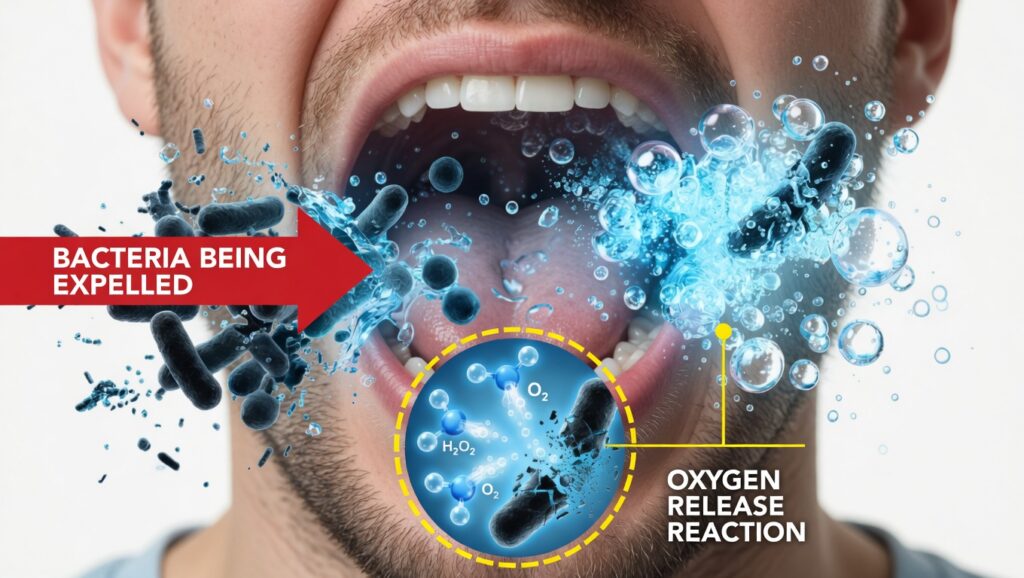
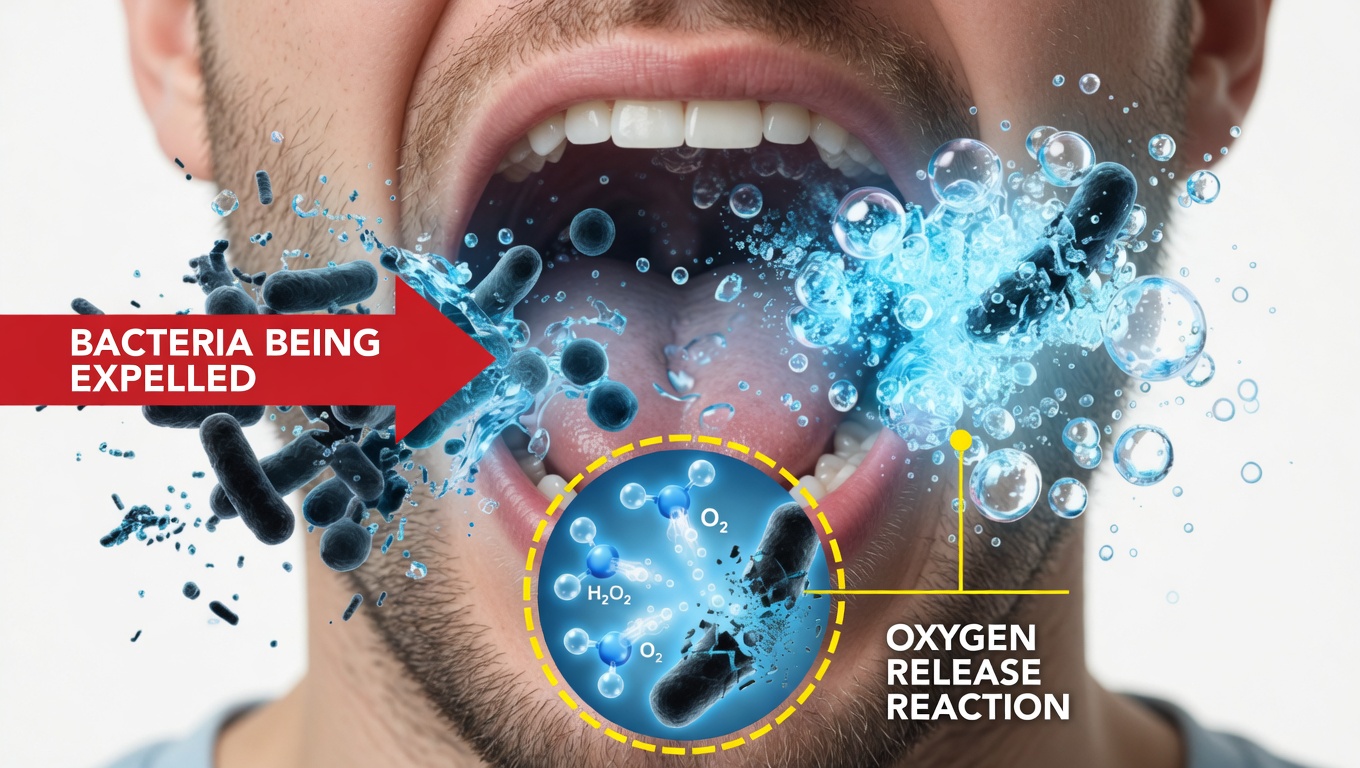
Hydrogen peroxide works as a disinfectant by breaking down (oxidizing) the cell walls of germs. In practical terms, it helps eliminate the bacteria and other microorganisms that can cause gum disease, tooth decay, bad breath, sore throats, and even excessive earwax. The key is using the right strength, in the right way, and never swallowing it.
Below you’ll find the essential safety tips and seven straightforward ways to incorporate hydrogen peroxide into your oral hygiene and ear-care routine.
Key Points to Remember
- Use only a 3% hydrogen peroxide solution, diluted with clean water.
- Do not swallow hydrogen peroxide under any circumstance.
- When used properly, it can be a gentle yet effective aid for mouth, throat, and ear issues.
- Benefits may include fewer harmful bacteria, fresher breath, gum support, sore throat relief, and softer earwax.
1. Deep-Cleans Your Mouth and Gums
Hydrogen peroxide can act as a powerful mouth disinfectant. When bacteria in your mouth multiply too quickly, you may develop problems such as gingivitis, cavities, or persistent bad breath.
A diluted hydrogen peroxide mouth rinse helps:
- Reduce harmful bacteria along the gumline and between teeth
- Support healthier gums and oral tissues
- Restore a healthier balance to your mouth’s natural microbiome
By oxidizing microorganisms, hydrogen peroxide helps break down the cell membranes of bacteria and other pathogens, reducing the overall bacterial load in your mouth.
2. How to Make a Safe Hydrogen Peroxide Mouth Rinse
For oral use, always choose a 3% hydrogen peroxide solution from a reputable pharmacy or supermarket.
To prepare a simple rinse:
- Mix 1 part 3% hydrogen peroxide with 2 parts water (for example, 1 tablespoon peroxide with 2 tablespoons water).
- Pour a small amount into a cup—enough for one rinse.
- Swish the solution around your mouth for about 20–30 seconds.
- Spit it out completely; do not swallow any of the liquid.
For throat care, you can use the same mixture:
- Tilt your head back and gently gargle for 20–30 seconds.
- Spit everything out when finished.
Using a hydrogen peroxide mouth rinse regularly can help reduce unwanted bacteria and support better overall oral hygiene.
3. Freshens Breath by Targeting Odor-Causing Bacteria
Persistent bad breath often comes from bacteria that produce foul-smelling compounds. Because hydrogen peroxide helps kill these odor-causing bacteria, rinsing with a diluted solution can leave your mouth feeling cleaner and your breath noticeably fresher.
For many people, using a hydrogen peroxide rinse once a day after brushing or flossing can:
- Reduce morning breath
- Improve confidence in social and professional situations
- Enhance the results of regular brushing and flossing
4. Supports Healing of Bleeding or Tender Gums
If your gums bleed when you brush or floss, or feel sore and swollen, that often signals inflammation—frequently driven by bacterial build-up.
Rinsing with diluted hydrogen peroxide may:
- Help decrease inflammation
- Reduce bacterial growth along the gumline
- Encourage healthier, more resilient gum tissue
Many users report that consistent use over several days to weeks helps reduce bleeding and discomfort, making hydrogen peroxide a popular at-home support for gum wellness. This rinse should complement, not replace, professional dental care.
5. Gently Brightens and Whitens Teeth
Hydrogen peroxide is a common ingredient in many whitening toothpastes and professional bleaching products. Using a diluted hydrogen peroxide mouth rinse over time can help:
- Lighten surface stains from coffee, tea, red wine, or smoking
- Brighten the appearance of teeth gradually
- Enhance the results of your regular brushing routine
While it won’t produce instant, dramatic whitening like some in-office treatments, many people notice a whiter smile with consistent, safe use—without the high cost of professional whitening systems.
6. Eases Sore Throats and Canker Sores
Sore throats and canker sores (small, painful ulcers inside the mouth or on the lips) can make eating, drinking, and talking uncomfortable.
Hydrogen peroxide can help by:
- Reducing bacteria in the throat and mouth
- Supporting faster healing of minor mouth sores
- Providing a mild soothing effect for irritated tissues
How to use it:
- For sore throats: Gargle with the same diluted solution (1 part 3% hydrogen peroxide to 2 parts water) several times a day, always spitting it out afterward.
- For canker sores: Dip a cotton swab into the diluted solution and gently dab it onto the sore a few times per day. Avoid swallowing and do not overuse on sensitive tissue.
7. Helps Loosen and Remove Stubborn Earwax
Using cotton swabs (Q-tips) inside the ear canal can push wax deeper and risk injuring the ear. Hydrogen peroxide offers a safer method to soften and help remove earwax when used properly.
To use 3% hydrogen peroxide for earwax:
- Tilt your head so the affected ear faces upward.
- Using a clean dropper, place 2–3 drops of 3% hydrogen peroxide into the ear canal.
- You’ll likely hear fizzing or bubbling—this is normal and indicates the peroxide is breaking down debris.
- Keep your head tilted for about 4–5 minutes.
- Tilt your head the opposite way to allow the fluid and softened wax to drain out onto a tissue or towel.
Repeating this a few times a week, especially before a warm shower, can help keep earwax softer and easier to wash away—without poking or scraping the inside of your ear.
If you experience pain, dizziness, drainage, known eardrum perforation, or ongoing ear problems, consult a healthcare professional before using this method.
Final Thoughts
Hydrogen peroxide is a low-cost, versatile tool that can support healthier gums, fresher breath, throat comfort, and safer earwax management—all from a single bottle. The most important guidelines are simple:
- Use only a 3% solution and always dilute it with water for mouth or throat use.
- Never swallow hydrogen peroxide.
- Stop using it and seek medical or dental advice if you experience irritation, pain, or worsening symptoms.
With consistent, careful use, many people notice improvements in oral hygiene, less gum irritation, fewer sore throat issues, and easier earwax removal.
These tips are inspired by the recommendations of Dr. Mandell. Consider trying them as part of your self-care routine—your mouth, throat, and ears may thank you with a cleaner, brighter, and more comfortable everyday experience.