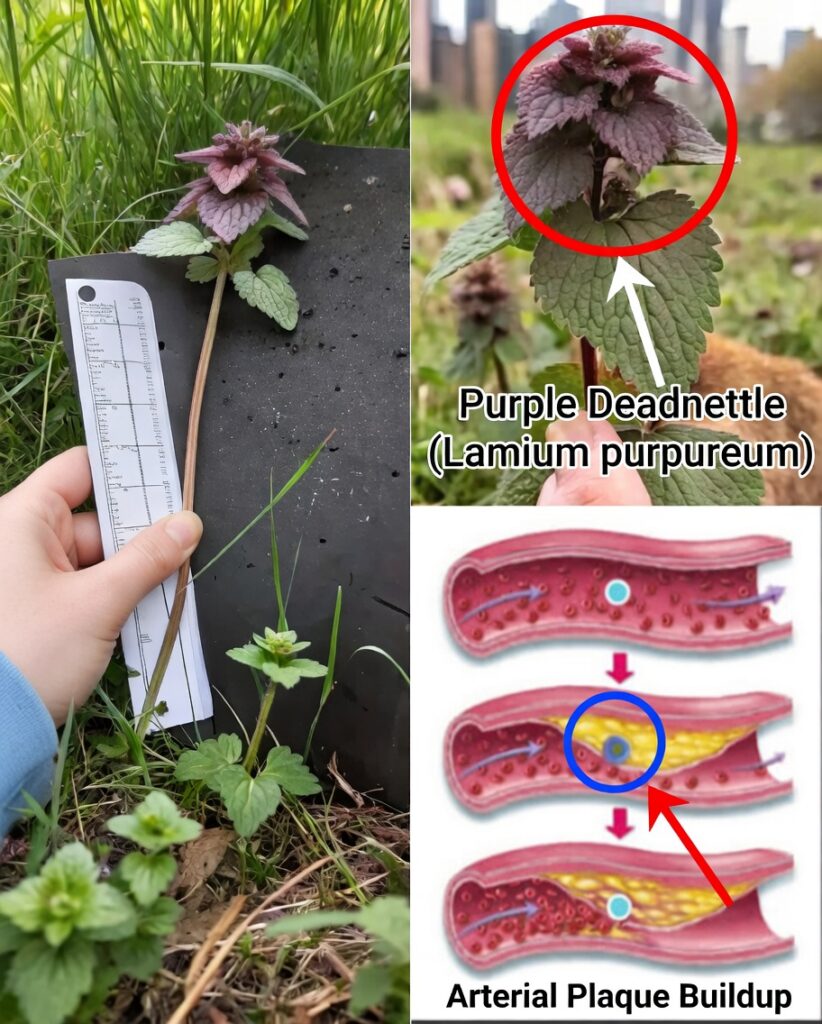
Purple Deadnettle: The Overlooked Wild Plant with Real Health Benefits
Many people pass by this small wild herb without a second thought—yet it offers a surprising range of traditional wellness benefits and practical everyday uses.
Purple Deadnettle (Lamium purpureum) is often labeled a “weed” because it pops up in gardens, fields, and along roadsides. However, it has a long history in folk and herbal traditions, where it’s valued as a gentle, versatile plant.
What Is Purple Deadnettle?
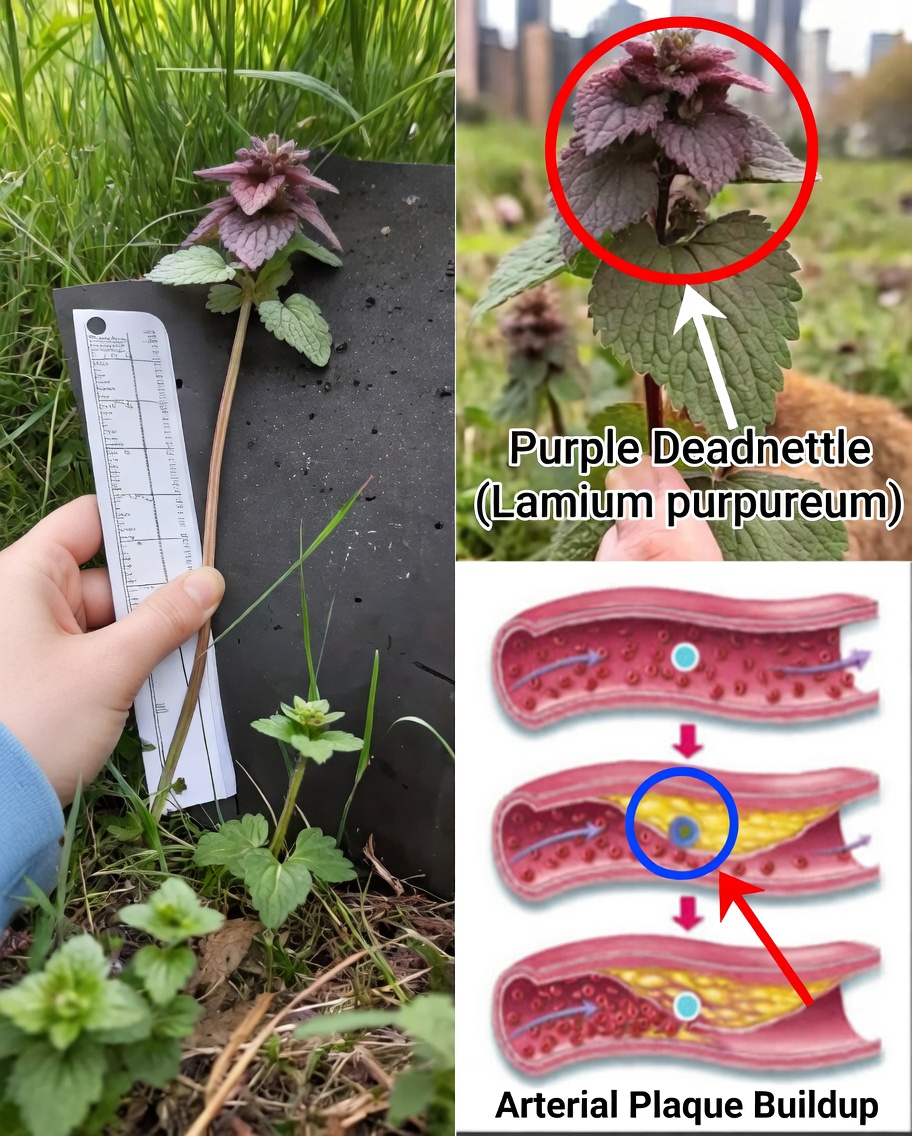
Purple Deadnettle belongs to the mint family, which explains its familiar herbal profile. You can often recognize it by these features:
- Soft purple-pink flowers
- Fuzzy, heart-shaped leaves (often with a purplish tint near the top)
- A mild, earthy scent
Despite the name, it does not sting. The word “dead” distinguishes it from stinging nettle—meaning it lacks the sting.
Medicinal Benefits of Purple Deadnettle
Herbalists often describe Purple Deadnettle as a low-key but valuable plant due to its broad support for the body.
1. Anti-Inflammatory Support
Traditionally used to help ease swelling and discomfort, including joint pain and symptoms linked with arthritis.
2. Natural Antibacterial and Antiviral Properties
Purple Deadnettle has been used in traditional remedies to help the body fight off common infections, especially during cold and flu season.
3. Immune System Support
It contains vitamin C and a variety of antioxidants, which may help strengthen the body’s natural defenses.
4. Seasonal Allergy Relief
Often used as a gentle, plant-based option that can act like a natural antihistamine, supporting relief for seasonal allergies and sinus discomfort.
5. Traditional “Blood Purifier” and Detox Herb
In folk medicine, Purple Deadnettle is used to support natural cleansing pathways—especially the liver, kidneys, and lymphatic system.
6. Skin and Wound Care
Fresh leaves have been used topically by crushing them and applying to minor issues such as:
- Small cuts and scrapes
- Insect bites
- Mild skin irritation
How to Use Purple Deadnettle
Here are common, practical ways people use Purple Deadnettle at home.
1. Purple Deadnettle Tea
A simple herbal tea traditionally used to support immunity, soothe inflammation, and help during colds.
How to make it:
- Add 1 teaspoon of fresh or dried Purple Deadnettle leaves to a cup.
- Pour in 1 cup of hot water.
- Steep for 10–15 minutes.
- Optional: add honey or lemon.
2. Healing Poultice (Topical Use)
Crush fresh leaves until juicy and place directly on:
- Bug bites
- Rashes
- Minor skin irritations
- Small scrapes
3. Add to Salads or Smoothies
Young leaves can be eaten raw in small amounts for a nutrient boost:
- Mix into salads
- Blend into green smoothies
4. Infused Oil for Skin Care
Soak leaves in olive oil or coconut oil for several weeks, then strain. The infused oil is commonly used for:
- Dry skin support
- Minor skin irritation
- Gentle massage oil
Safety and Caution
- Harvest only from clean, pesticide-free areas, away from roadsides with heavy traffic or sprayed lawns.
- If you are pregnant, nursing, or taking medications, speak with a healthcare professional before trying herbal remedies.
- As with any wild plant, ensure proper identification before use.
Final Thoughts: A Forgotten Wild Herb Worth Knowing
Purple Deadnettle is a true underappreciated plant—growing freely in many regions while offering nourishment, traditional healing support, and practical uses.
Next time you spot its small purple flowers, consider learning it, harvesting responsibly, and putting this “hidden gem” to use instead of pulling it out.