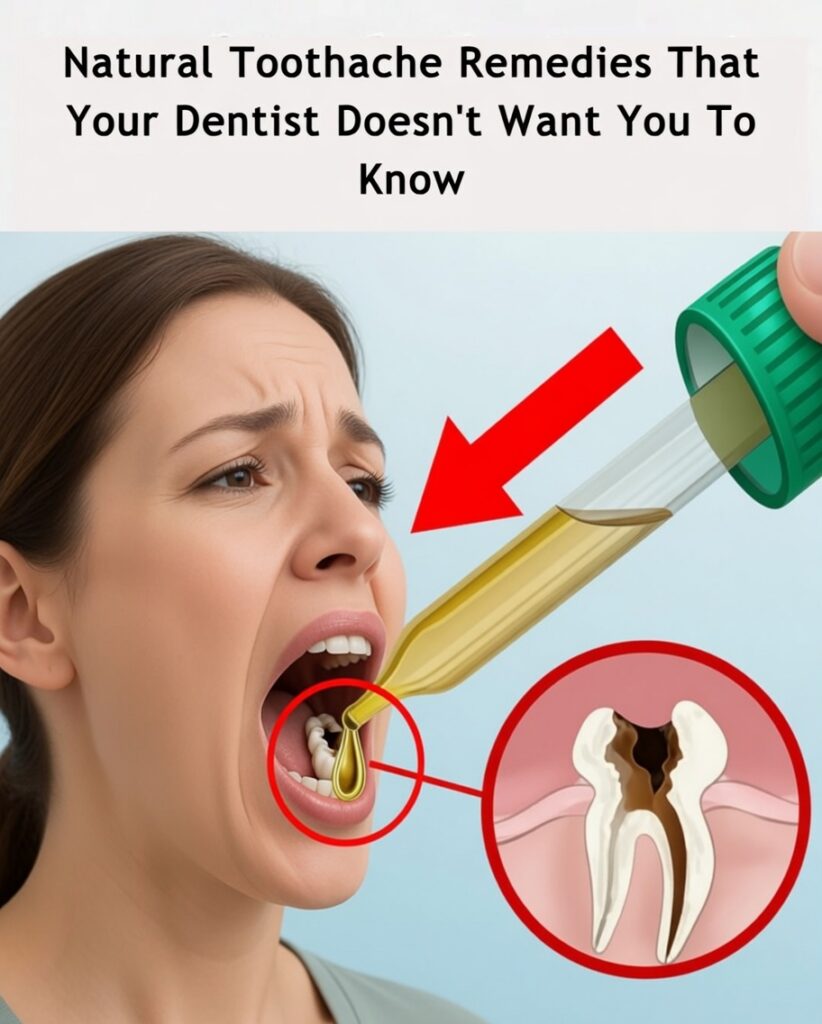
Natural Toothache Relief: 7 Home Remedies for Fast Comfort
A toothache can feel overwhelming, especially when it flares up unexpectedly. While a dentist visit is the best long-term solution, several natural toothache remedies may help you manage discomfort in the short term. These home options can numb pain, lower inflammation, and reduce bacteria—without relying on harsh chemicals.
1. Clove Oil: A Natural Pain-Relief Classic
Cloves contain eugenol, a compound known for its natural numbing and antibacterial properties. It may help calm the painful area while targeting germs that can worsen irritation.
How to use clove oil for tooth pain:
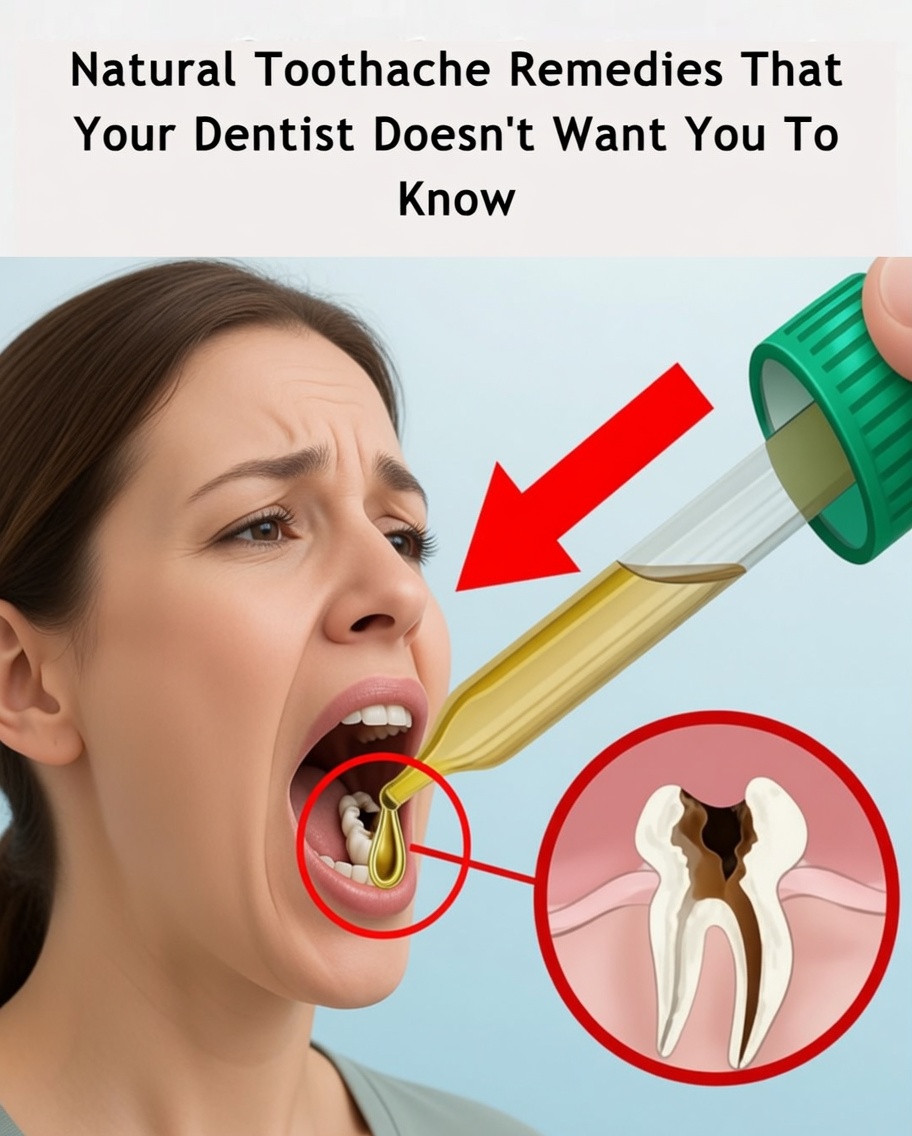
- Apply one small drop of clove oil to a cotton swab and dab it onto the sore tooth or gum.
- If you don’t have clove oil, place a whole clove near the painful tooth and bite down gently to release its oils.
2. Saltwater Rinse: Quick, Simple, and Effective
A warm saltwater rinse works as a gentle disinfectant. It can help reduce swelling, clean the mouth, and limit bacteria around the affected area.
How to do a saltwater rinse:
- Dissolve ½ teaspoon of salt in a cup of warm water.
- Swish for 30 seconds, then spit.
- Repeat 3–4 times per day as needed.
3. Garlic: A Natural Antibacterial Support
Garlic contains allicin, a well-known natural compound with antibacterial effects. It may help reduce bacteria linked to dental discomfort.
How to use garlic for a toothache:
- Crush one garlic clove, mix with a small pinch of salt, and apply it carefully to the sore area.
- Alternatively, gently chew a fresh garlic clove on the affected side (only if you can tolerate it).
4. Ginger and Cayenne Paste: Targeted Pain and Inflammation Support
Ginger is commonly used to help with inflammation, while cayenne contains capsaicin, which may help block pain signals.
How to make and apply the paste:
- Mix equal parts ginger powder and cayenne pepper with a few drops of water to form a paste.
- Apply a small amount to a cotton ball and place it on the aching tooth for short intervals.
5. Peppermint Tea: Cooling, Soothing Comfort
Peppermint naturally contains menthol, which can provide a cooling sensation and mild pain relief.
How to use peppermint for tooth pain:
- Brew peppermint tea, let it cool, then swish it around your mouth.
- Place a cooled, used peppermint tea bag against the sore area for about 15 minutes.
6. Lemon Juice and Baking Soda: Balancing and Cleaning Support
Lemon juice may help reduce bacteria due to its acidity, while baking soda can help neutralize acids that may worsen tooth sensitivity.
How to use this remedy:
- Combine a small amount of lemon juice and baking soda to create a paste.
- Apply it to the affected spot, leave for up to 5 minutes, then rinse with warm water.
7. Hydrogen Peroxide Rinse: Deep-Cleaning Mouth Rinse
A diluted 3% hydrogen peroxide rinse may help reduce bacteria, support gum health, and loosen plaque buildup.
How to use hydrogen peroxide safely:
- Mix equal parts 3% hydrogen peroxide and water.
- Swish for 30 seconds, spit, then rinse again with plain water.
- Do not swallow the mixture.
When to See a Dentist for Toothache Symptoms
Home remedies can offer temporary toothache relief, but ongoing pain may point to a cavity, abscess, or another issue that needs professional care. Contact a dentist promptly if you have:
- Severe swelling or a fever
- Pain lasting longer than 48 hours
- Trouble swallowing or breathing
Final Thoughts
These natural options can help you cope with tooth discomfort until you can get proper dental treatment. If symptoms return or intensify, don’t delay—getting the cause diagnosed is the safest way to protect your tooth and overall health.