Keeping a glass of water on your nightstand feels like a smart, convenient bedtime habit. However, leaving water uncovered beside your bed for hours can come with a few unexpected downsides—ranging from hygiene concerns to sleep disruption.
Below are six practical reasons to think twice before placing an open glass of water next to your bed, plus safer alternatives that still keep hydration within reach.
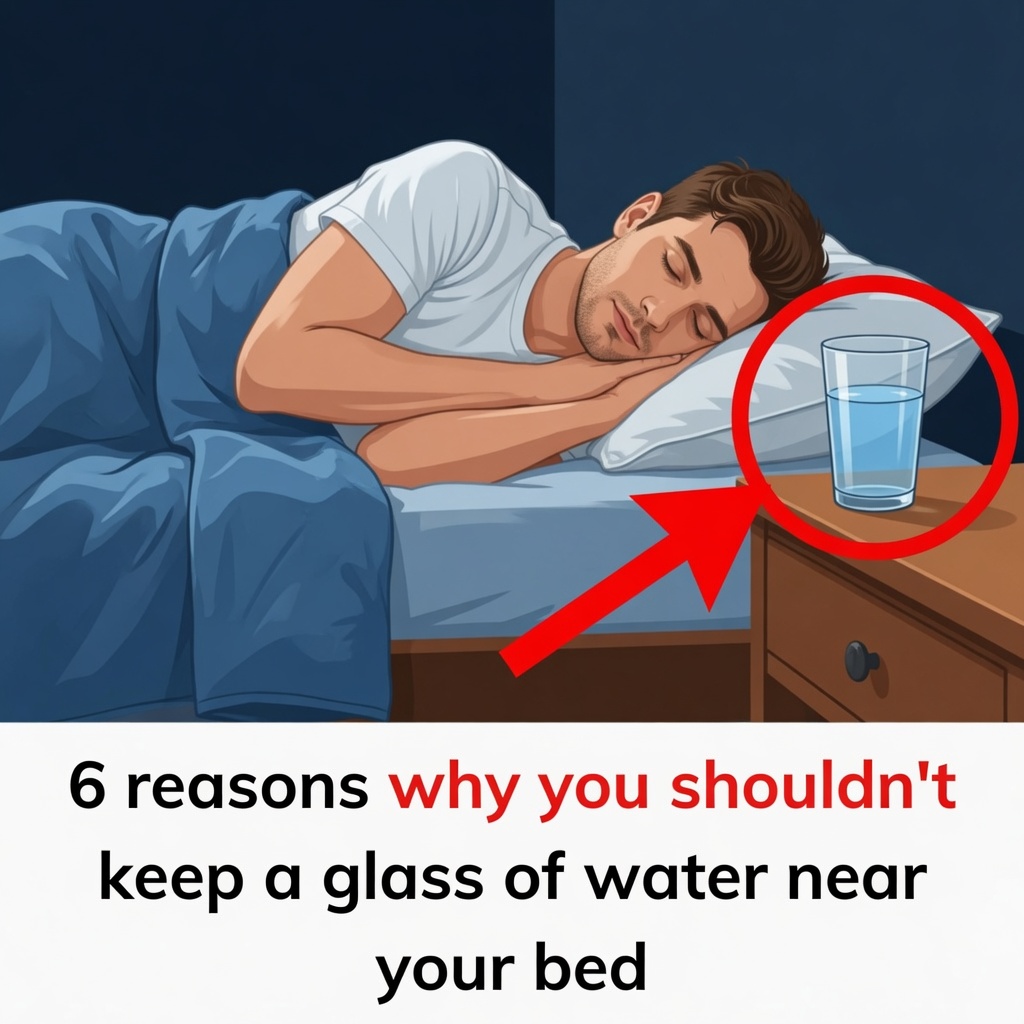
1) Open Water Can Pick Up Dust, Germs, and Even Small Bugs
An uncovered glass sitting out overnight is exposed to whatever is in the air and the room—such as dust, pet dander, airborne bacteria, and the occasional tiny insect. Because this happens while you sleep, you may not notice anything has entered the water before you drink it.
Better option: Choose a covered water bottle or a glass container with a lid.
2) Overnight Water Often Tastes “Off” or Stale
If you’ve ever taken a sip in the morning and noticed the flavor changed, you’re not imagining it. Water left out can:
- Absorb carbon dioxide from the air, slightly changing its acidity (pH)
- Sit without movement long enough to develop a stagnant, stale taste
It’s not usually dangerous, but it’s rarely as fresh as newly poured water.
3) Spills Can Create Mess, Damage, and Safety Issues
A glass near the edge of a nightstand is easy to knock over—especially at night when you’re half-awake. A spill can:
- Soak a mattress, bedding, or wooden furniture
- Harm electronics (phones, chargers, alarm clocks, hearing aids)
- Create a slipping hazard if water reaches the floor
Better option: Use a spill-resistant bottle and keep it on a stable surface away from devices.
4) Late-Night Drinking Can Interrupt Sleep
Drinking a lot of water right before sleeping can increase nighttime bathroom trips (often called nocturia), which breaks up deep sleep. For some people, simply knowing an open glass is within reach can also encourage more sipping and more wake-ups.
Sleep-friendly tip: Focus on hydration earlier in the evening and keep nighttime sips small.
5) Water May Absorb Bedroom Odors and Airborne Chemicals
Bedrooms often contain scented products—perfume, candles, air fresheners, and cleaning sprays. Over several hours, exposed water can pick up odors or trace airborne compounds, affecting taste and potentially increasing minor exposure.
Also, if the water is in certain plastics, there’s concern about microplastic shedding over time.
Better option: Store water in a glass or stainless steel bottle with a lid.
6) Cultural Beliefs: Feng Shui and “Energy” Concerns
While not scientific, some people avoid water by the bed due to tradition or personal beliefs:
- In Feng Shui, water is sometimes associated with emotions and movement, and placing it near the bed is believed to disturb balance or rest.
- Other superstitions suggest water near the bed may invite uneasy sleep or bad dreams.
Whether you believe these ideas or not, some individuals say they sleep better when the bedside water is removed.
The Best Alternative to a Bedside Glass of Water
If you still want water close by at night, these options reduce most risks:
- Stainless steel or glass bottle with a lid
- Reusable sealed container to prevent spills and contamination
- Bottle with a built-in filter for better taste and convenience
Final Take: Should You Keep Water Next to Your Bed?
- Avoid an open glass if you’re concerned about dust, germs, spills, stale taste, or sleep interruptions.
- It can be fine if you use a covered bottle and don’t drink large amounts right before bedtime.