Say Goodbye to Heavy Legs: How Rosemary Can Support Better Circulation Naturally
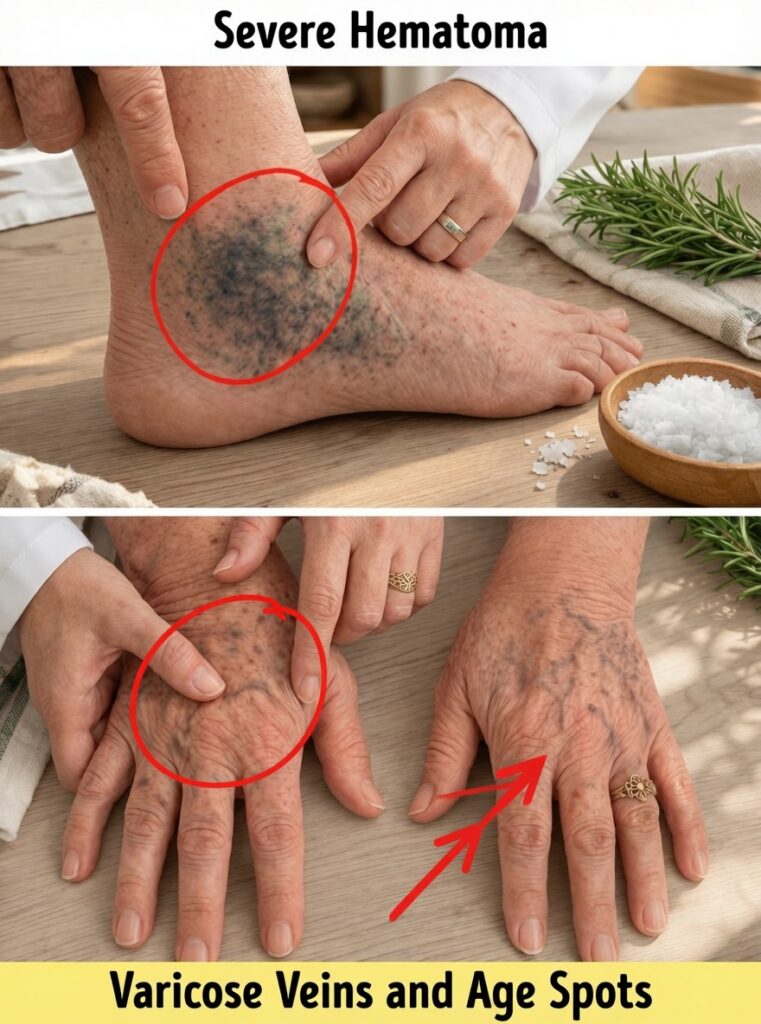
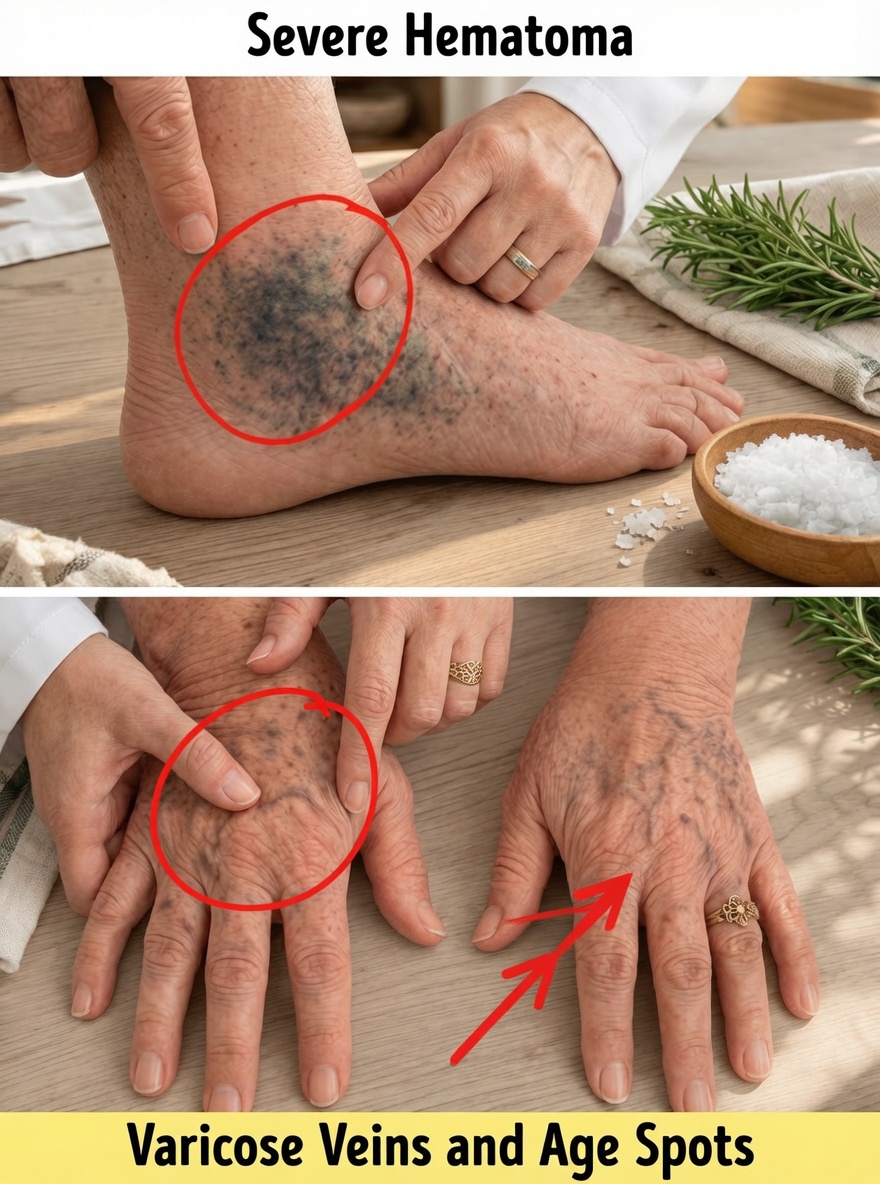
Heavy legs, visible veins, and that constant end-of-day fatigue—does it sound familiar? For millions of people, varicose veins are more than a cosmetic concern. They can bring discomfort, swelling, and even impact self-confidence. The good news is that a simple ingredient often found in the kitchen may offer natural support. Keep reading, because rosemary for circulation might surprise you.
The Growing Challenge of Varicose Veins
As the years go by—especially after 40 or 50—it’s common to notice swollen veins, leg puffiness, and a persistent feeling of heaviness. Even everyday activities like standing for long periods or taking a walk can start to feel exhausting.
Many conventional options only provide short-term relief. Compression stockings and topical creams can be helpful, but they don’t always address key factors such as poor circulation and oxidative stress.
That’s where rosemary begins to stand out as a natural ally.
Rosemary’s Antioxidant Power
Rosemary contains active compounds such as carnosic acid, widely recognized for its antioxidant properties. Antioxidants help protect cells from damage and may support the long-term health of blood vessels.
Think of it as internal protection that helps your body stay stronger over time—especially when your veins are under daily strain.
Natural Support for Blood Flow
Healthy blood flow is essential for legs that feel lighter and more comfortable. Rosemary is traditionally used to stimulate circulation, which may contribute to a fresher, less “heavy” feeling.
One popular home practice is massaging the legs with rosemary oil. This tradition is often used to ease the sensation of swelling and improve daily comfort—especially after long hours on your feet.
Helping Reduce Inflammation and Discomfort
Inflammation is a major contributor to soreness, sensitivity, and warmth in the legs. Rosemary is known for its natural anti-inflammatory properties, which may help calm these symptoms over time.
With consistent use, many people report less tenderness and improved comfort during daily routines.
Skin and Appearance Benefits
Rosemary doesn’t just support how your legs feel—it may also help how they look. Because it contains beneficial plant nutrients, it can help nourish and protect the skin around visible veins, gradually improving the overall appearance and skin condition.
Simple Homemade Rosemary Oil Recipe
You can prepare your own rosemary-infused oil at home.
Ingredients:
- Fresh rosemary sprigs
- Extra virgin olive oil
- A clean glass jar
How to prepare:
- Wash the rosemary and dry it completely.
- Place the sprigs in the jar and cover fully with olive oil.
- Warm the jar using a double boiler for about 30 minutes on low heat.
- Store the jar in a dark place for 10 days.
- Strain the oil and keep it in the refrigerator.
How to use:
- Apply a small amount and massage gently from the ankles upward, 1–2 times per day.
Important: Always do a patch test before regular use to check for sensitivity.
Additional Benefits People Commonly Report
- May support the feeling of firmer, more toned veins
- Can help with muscle relaxation
- Often promotes a sense of lightness and renewed energy
Action Plan: Start with Small Daily Habits
To get the most out of rosemary and improve leg comfort naturally, aim for consistency:
- Add a daily leg massage to your routine
- Stay well hydrated
- Do light walking whenever possible
Small habits, repeated daily, usually make the biggest difference.
The Key Takeaway
The real benefit rarely comes from one single application—it comes from steady, ongoing use. When rosemary is combined with supportive lifestyle habits, many people notice gradual improvements in how their legs feel.
Picture yourself 30 days from now: lighter, more comfortable, and more confident in your daily life.
Frequently Asked Questions
-
How often should I use rosemary oil?
Typically 1–2 times a day, with gentle upward massage. -
Can I combine it with other treatments?
Yes, but if you have concerns or existing conditions, speak with a healthcare professional first. -
How long until I see results?
Some people notice changes within two weeks, while others may need around a month.
Warning: This article is for informational purposes only. Always consult a healthcare professional before starting any new practice—especially if you are pregnant, have medical conditions, or take prescription medications.