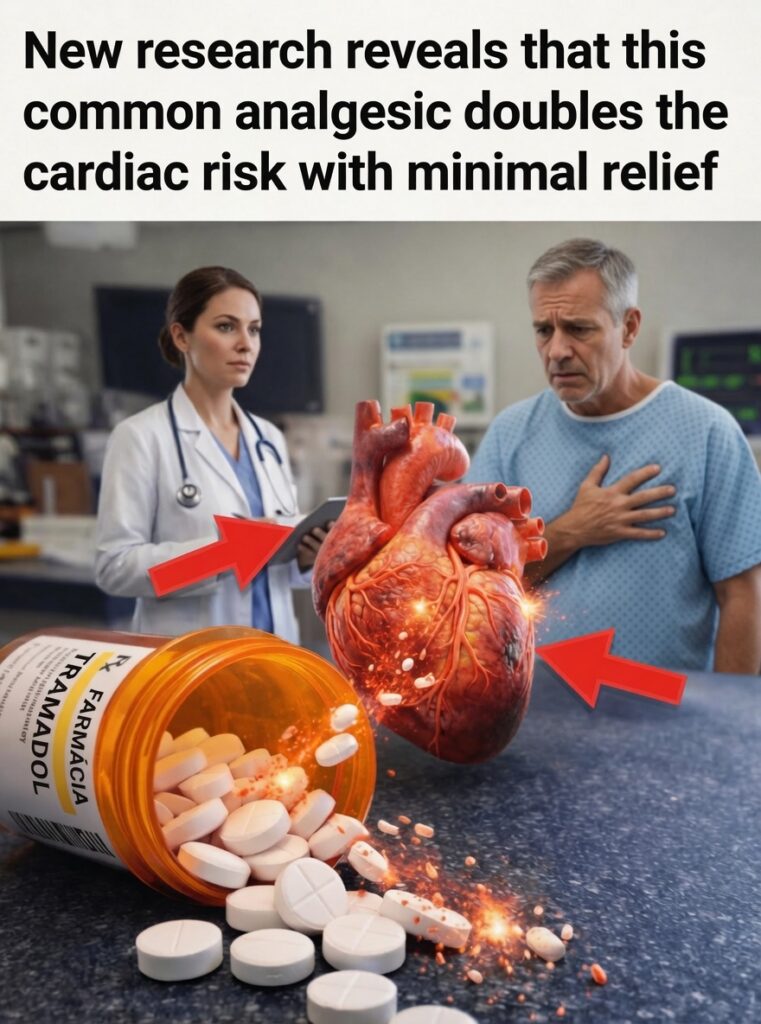
A Popular Painkiller Claims to Ease Chronic Pain—But Is It Really Helping the Way You Think?
If you—or someone close to you—relies on a prescription pain medicine to manage chronic pain, recent findings deserve a closer look. A large scientific review examined multiple clinical trials and concluded that a widely used drug may offer only modest pain relief—often less than people expect—while also raising the risk of serious side effects, especially those involving the heart.
That leads to a practical question many patients face: do the daily benefits truly outweigh the potential risks?
What the Latest Research Found
A major review published in BMJ Evidence-Based Medicine combined results from 19 randomized clinical trials, covering more than 6,500 participants living with conditions such as:
- Osteoarthritis
- Lower back pain
- Neuropathic pain
- Fibromyalgia
Participants were, on average, 58 years old, and trial durations ranged from a few weeks to several months. The medication analyzed was tramadol, a synthetic opioid often prescribed when standard pain relievers are no longer enough.
The key takeaway surprised many clinicians: compared with placebo, tramadol produced only a small reduction in pain. In many cases, the improvement was considered too limited to meaningfully change day-to-day function.
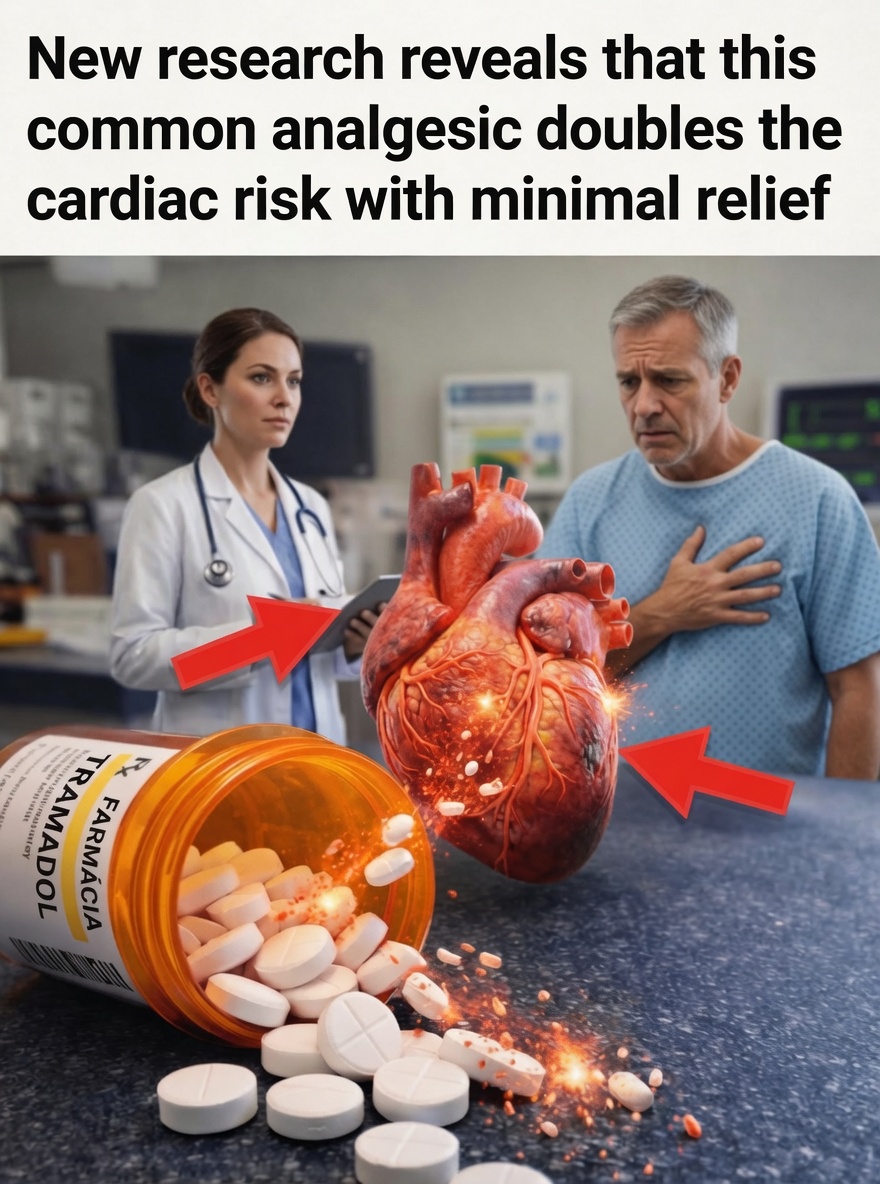
At the same time, the safety signals were hard to ignore. Serious adverse events occurred nearly twice as often among people taking tramadol. Many of these events were cardiovascular, including:
- Chest pain
- Coronary artery disease
- Heart failure
More common side effects were also reported more frequently, such as nausea, dizziness, constipation, and drowsiness.
Benefits vs. Risks: The Numbers at a Glance
- Pain relief: limited and often barely noticeable in daily life
- Serious side effects: about 2x more frequent
- Heart-related problems: a meaningful increase across several studies
- Common side effects: nausea, dizziness, sleepiness, constipation
These results strengthen existing concerns from earlier research about a possible link between tramadol and cardiovascular risk.
One important detail: tramadol works differently from many other opioids. Along with acting on opioid receptors, it also affects brain chemicals such as serotonin and norepinephrine. This “dual action” was once seen as a benefit, but it may also contribute to additional risks and interactions.
Why This Matters in Everyday Life
Chronic pain already makes normal activities—walking, working, sleeping—much harder. Adding possible heart-related complications makes treatment decisions even more sensitive, especially for:
- Adults over 50
- People with a history of heart disease
- Anyone already managing multiple health conditions
Many patients choose tramadol hoping it will provide relief with fewer downsides than stronger opioids. However, for a significant number of people, the real-world results may not match those expectations.
This does not mean tramadol is inappropriate for everyone. Responses vary from person to person. What it does highlight is the need for ongoing medical follow-up, not a “set it and forget it” prescription.
What You Can Do Now (Practical Steps)
If you currently take tramadol—or are considering it—these steps can help you make safer, more informed decisions:
- Talk to your doctor: bring up these findings and discuss your individual risks
- Review your pain management plan: ask about combining approaches such as physiotherapy, gentle exercise, or relaxation techniques
- Explore alternatives: other medications or non-drug options may be more suitable for you
- Track your symptoms: note pain levels, sleep quality, energy, and any side effects
- Support your overall health: balanced nutrition, moderate activity, and better sleep habits can improve pain resilience
What This Could Mean for the Future of Pain Treatment
This review does not suggest abandoning chronic pain care—it suggests rethinking the strategy. Many specialists support multimodal treatment, where several methods are used together rather than depending heavily on a single drug.
For some patients, adjusting the dose or gradually reducing tramadol (only under medical guidance) may improve overall health control, especially when side effects are present.
Frequently Asked Questions
Is tramadol still prescribed?
Yes. However, it is increasingly prescribed more cautiously, often for shorter periods and with closer monitoring.
Who may face higher risks?
Risk may be higher for people who are older, have heart disease, high blood pressure, or take certain medications that may interact with tramadol.
Should I stop taking tramadol right away?
No. Do not stop suddenly without medical advice. Abrupt changes can cause withdrawal symptoms and worsening pain.
Final Thoughts
Living with chronic pain is difficult enough. Learning that a common treatment may deliver less relief than expected while increasing the likelihood of serious side effects can feel unsettling. This new analysis suggests tramadol may not provide the level of benefit many hope for—and may come with meaningful risks, including cardiovascular concerns.
The good news: with the right information, you can work with your clinician to make more confident choices and consider alternatives that support long-term wellbeing.
Important notice: This content is for informational purposes only and does not replace medical advice. Always consult a qualified healthcare professional before starting, stopping, or changing any treatment.