Feeling Dizzy or Uncomfortable After Drinking Ice-Cold Water? Learn How to Avoid It and Care for Your Body
On a hot day, few things feel as tempting as a glass of ice-cold water. You take a big sip and feel that intense chill slide down your throat. For some people, it’s instant relief. For others, it triggers an odd reaction: mild chest tightness, stomach discomfort, or even a brief wave of dizziness. If this has happened to you, you’re not alone—and there’s a fascinating reason behind it.
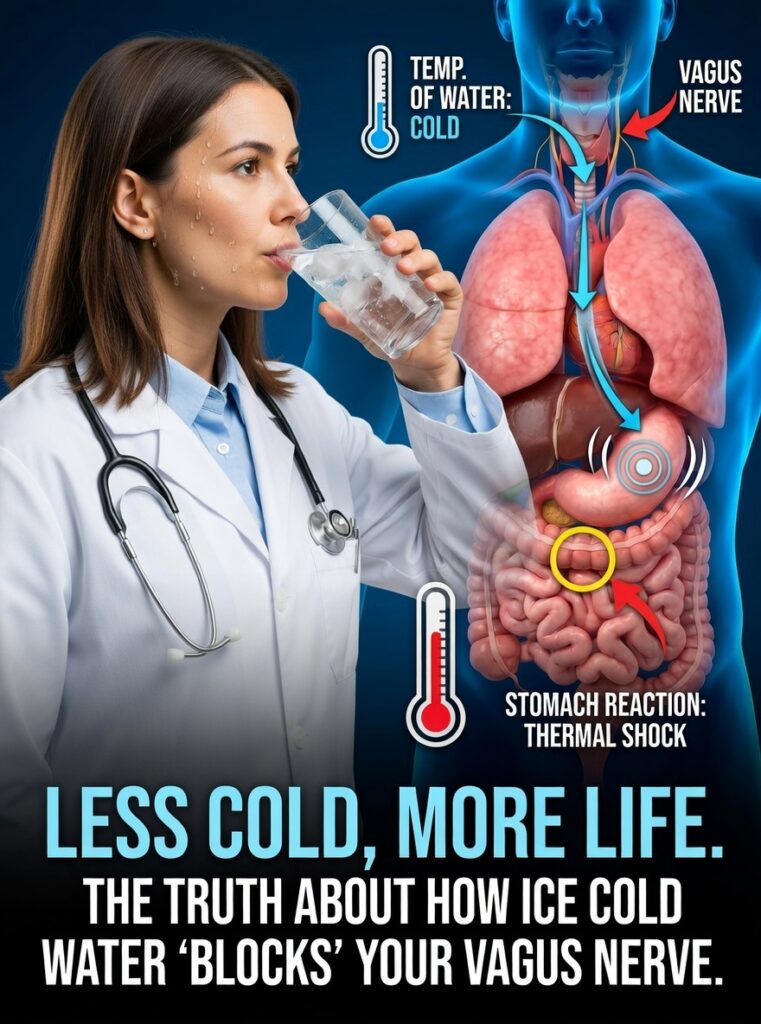
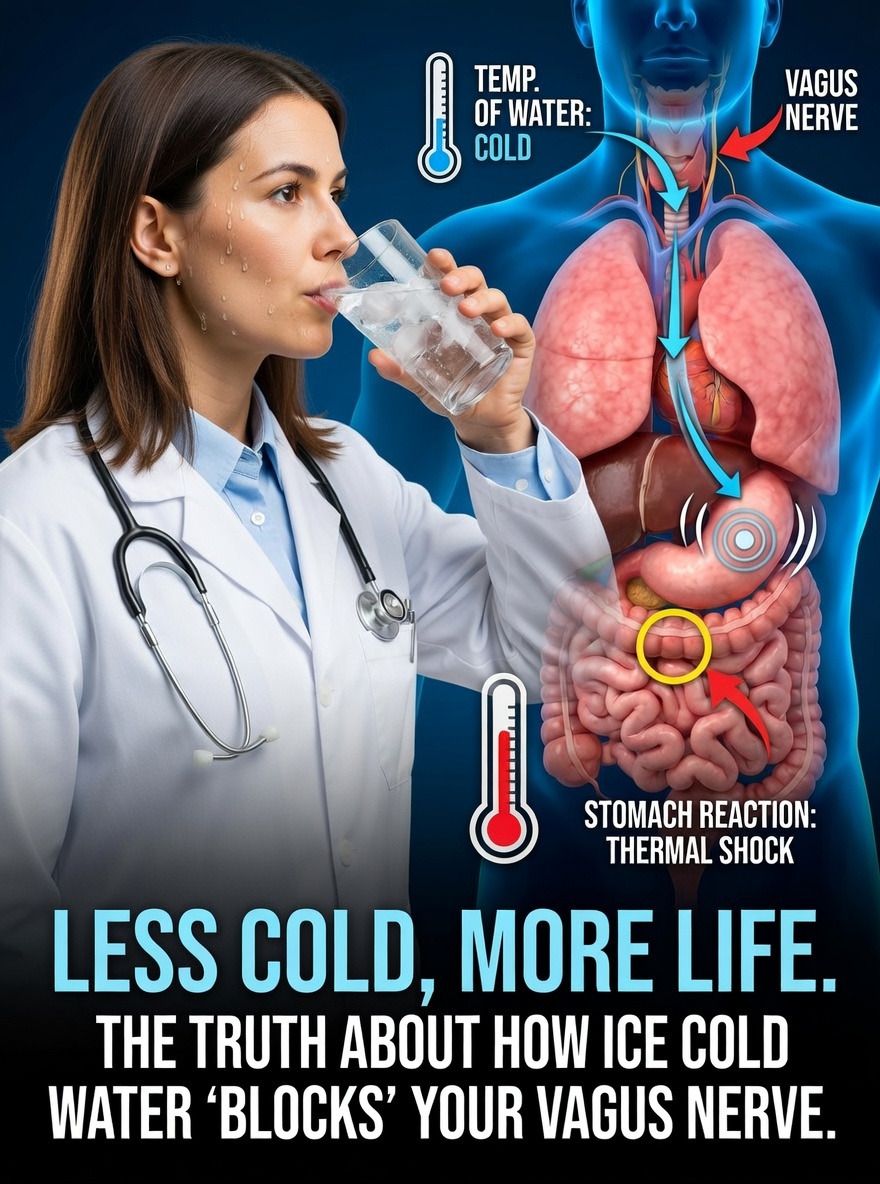
Your body runs on a highly intelligent internal control system, and one of its key players is the vagus nerve. This long nerve connects the brain to multiple organs and helps regulate heart rate, digestion, and relaxation. When very cold water touches the mouth, throat, and esophagus, it can send signals that temporarily influence vagus nerve activity. The good news: this isn’t automatically a “bad” response—small changes in how you drink can make a big difference.
What Is the Vagus Nerve—and Why Does It Matter?
The vagus nerve is part of the parasympathetic nervous system, often described as the “rest and digest” system. It helps your body slow down after stress, supports digestion, and promotes balance. When it’s functioning well, you generally feel calmer and your body processes food more efficiently.
Research suggests that cold stimulation can activate the vagus nerve. In some cases, drinking cold water may briefly lower heart rate, similar to the body’s diving reflex—a natural response to cold exposure.
What Happens in Your Body When You Drink Ice-Cold Water?
Here’s what can happen, step by step:
- Cold temperature activates thermal receptors in the mouth and throat
- Those signals travel quickly to the brain
- The vagus nerve may be stimulated, causing a slight temporary drop in heart rate
- In the stomach, cold temperature can slow digestion briefly, which may feel like heaviness—especially if you drink quickly or during a meal
This doesn’t mean digestion stops. It simply means some people notice a short-lived change in comfort or sensation.
What About That “Shock” Feeling?
That sudden “jolt” is a real experience for some individuals. It may include:
- Temporary changes in heart rhythm or rate
- A mild sense of chest tightness
- Light dizziness, especially in sensitive people
- A short-term feeling that digestion is slower
In most cases, this reaction is not dangerous. It’s your body adapting rapidly to a sharp temperature shift.
Does Cold Water Harm Digestion?
Not exactly. Your body warms the water quickly, and digestion continues normally. However, drinking large amounts of very cold water during meals can feel uncomfortable for some people.
On the other hand, in hot weather or during exercise, colder water can be helpful by supporting cooling and improving comfort during hydration.
You Don’t Need to Avoid Cold Water Completely
The key is balance and listening to your body’s signals. You can still enjoy cold drinks—just in a way that feels better for you.
How to Hydrate More Comfortably
Try these simple habits for easier, more comfortable hydration:
- Choose cool water rather than extremely icy water
- Sip slowly instead of taking big gulps
- Avoid very cold water immediately after meals
- Pay attention to your personal response (everyone is different)
- Hydrate throughout the day, not all at once
Comparing Water Temperatures
Different temperatures can feel very different in the body:
- Ice-cold (around 0°C / 32°F): very refreshing, but more likely to cause a “shock” sensation
- Cool (10–15°C / 50–59°F): comfortable, balanced, and often easier to tolerate
- Room temperature: gentler for digestion and sensitive throats
- Warm: soothing and relaxing for some people
Why Balance Matters
Your body is adaptable. In certain situations, cold water may even offer benefits—like helping you feel more alert or supporting circulation. The most important thing is using it intentionally.
Many people notice better comfort and well-being when they choose less-cold water with meals, and save very cold drinks for times when they truly help (like intense heat or workouts).
Final Thoughts
Staying hydrated is essential—and small adjustments to water temperature and drinking pace can greatly improve how you feel. Understanding how cold water interacts with your body helps you make smarter, more comfortable choices.
Next time you reach for a drink, ask yourself: “What temperature does my body need right now?” Sometimes, a little less cold means more comfort, better balance, and a better day.