Soft Pastry Dough (Tender, Flaky, and Easy)
Soft pastry dough is a reliable, all-purpose recipe you can use again and again for tarts, pies, quiches, galettes, hand pies, and turnovers. It’s designed to be simple enough for beginners, yet consistent enough for experienced bakers who want a buttery, melt-in-your-mouth crust with minimal fuss.
The secret is straightforward: keep everything cold and handle the dough gently. Cold butter creates steam pockets as it bakes, which leads to flaky layers, while minimal mixing keeps the crust tender. A small amount of sugar and optional vanilla gives the dough a light sweetness, making it suitable for both sweet and savory baking.
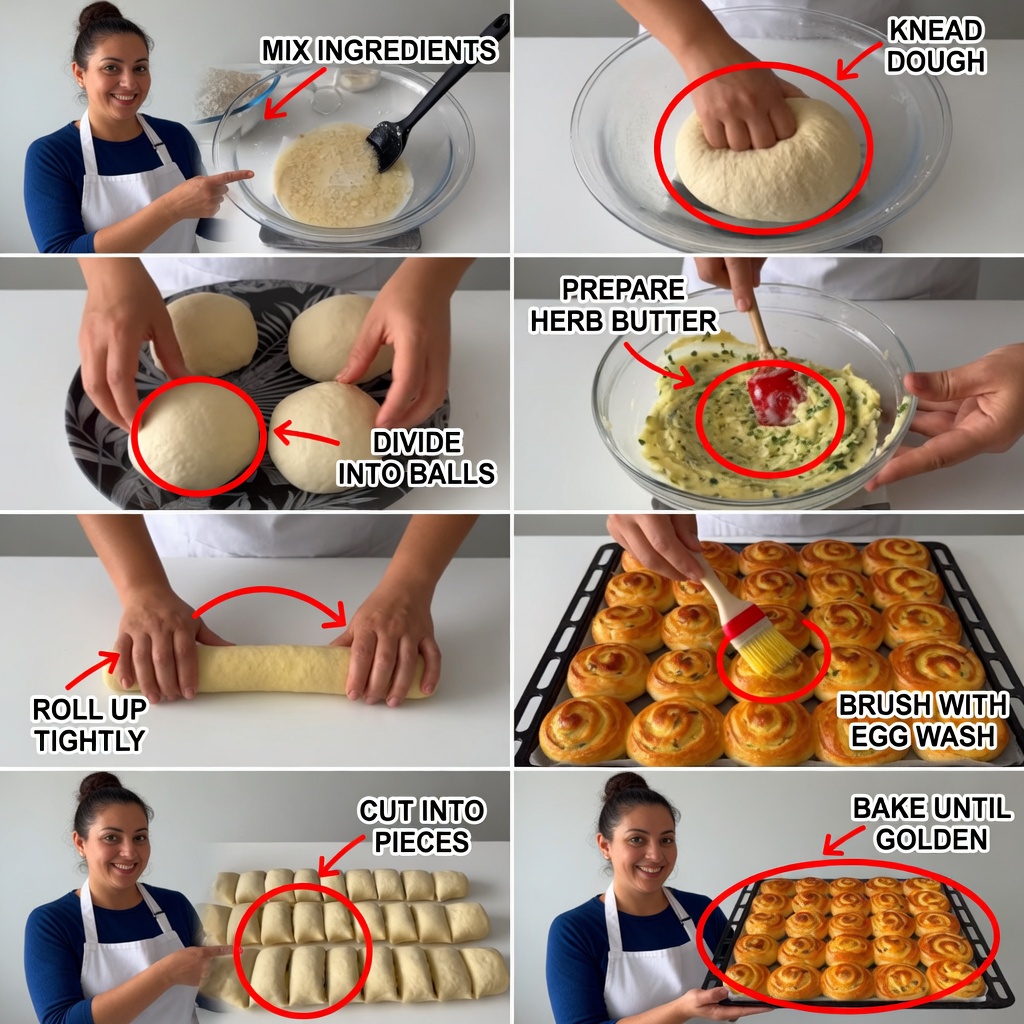
Ingredients
- 2 1/2 cups all-purpose flour (300 g)
- 1/4 cup granulated sugar (50 g)
- 1/2 teaspoon salt
- 1 cup unsalted butter, very cold, cut into small cubes (226 g)
- 1/4 cup cold water (60 ml)
- 1 large egg yolk
- 1 teaspoon vanilla extract (optional)
Step-by-Step Instructions
-
Combine the dry ingredients
In a large bowl, whisk together the flour, sugar, and salt until evenly mixed. -
Cut in the cold butter
Add the cubed butter to the bowl. Use a pastry cutter or your fingertips to work it into the flour until the texture looks like coarse crumbs, with a few pea-sized butter pieces still visible (these help create flakiness). -
Mix the wet ingredients
In a small bowl, whisk the cold water, egg yolk, and vanilla (if using) until smooth. -
Bring the dough together gently
Slowly drizzle the wet mixture over the flour-butter mixture. Use a fork to lightly toss and combine until the dough just starts to clump. Avoid overmixing. -
Shape and chill
Turn the dough onto a lightly floured surface and gently press it together (knead only a couple of times if needed). Divide into two portions, shape each into a flat disk, wrap, and refrigerate for at least 1 hour (or up to 2 days).
Chilling relaxes the gluten and firms the butter for a more tender crust. -
Roll out and use
When ready to bake, let the dough sit at room temperature for a few minutes so it softens slightly. Roll on a lightly floured surface to about 1/8 inch (3 mm) thickness for most pies and tarts.
Tips for Success (Flaky Crust Every Time)
- Keep everything cold: Cold butter and cold water are essential. If the dough warms up, chill it briefly before continuing.
- Don’t overwork the dough: Too much mixing or kneading can make the crust tough.
- Chill before baking: Refrigerating shaped dough helps reduce shrinking and improves texture.
- Roll with a light hand: Gentle pressure prevents compressing the layers.
- Use flour sparingly: Lightly dust your surface and rolling pin to prevent sticking without drying out the dough.
- Adjust the flavor: Try citrus zest or a pinch of cinnamon for sweet versions.
- Freeze for later: Wrap well and freeze for up to 3 months. Thaw overnight in the refrigerator before rolling.
Best Uses for This Pastry Dough
This dough works beautifully across many classic and creative bakes, including:
- Fruit pies and custard pies
- Tarts (sweet or savory)
- Quiche crust
- Hand pies and turnovers
- Rustic galettes
- Savory pastries with cheese, vegetables, or meats
Its delicate, flaky bite pairs equally well with jammy fruit fillings or rich savory mixtures.
Conclusion
Homemade soft pastry dough is easier than it seems—and the payoff is a professional-quality crust with rich buttery flavor and a tender, flaky finish. Once you master this base recipe, you’ll have a go-to foundation for everything from an elegant tart to a comforting homemade pie.
Gather your ingredients, keep them cold, and enjoy the satisfaction (and delicious results) of baking from scratch.